
Article Plan: Al Hamichya PDF
This article details readily available Al Hamichya PDFs, focusing on printable options from platforms like Etsy.
It explores sizes (A4, US Letter) and elegant golden designs for home or gifting.
We’ll cover practical printing and personalization possibilities, alongside understanding its role within Birkat Hamazon.
The plan includes exploring the text itself – Hebrew, transliteration, and English translation – alongside variations in Nusach.
Finally, we’ll contextualize Al Hamichya within Bracha Achrona and Birkat Hamazon’s structure.
Al Hamichya is a crucial blessing recited after consuming food, often found in readily available PDF formats for convenient printing.
These PDFs, sourced from platforms like Etsy, offer elegant designs for personal or gifting purposes.
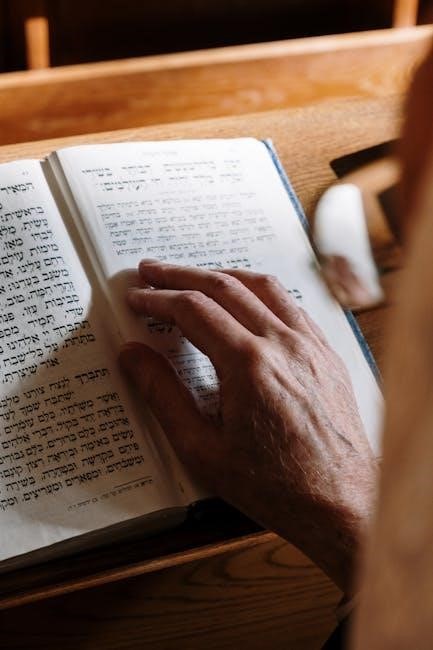
Understanding its significance within Jewish prayer and Birkat Hamazon is key, making printable versions accessible for daily practice and study.
What is Al Hamichya?
Al Hamichya (על המחיה) is a specific Bracha Achrona, a blessing recited after enjoying a meal that includes foods requiring a blessing after consumption. It translates roughly to “Who sustains all life,” expressing gratitude to God for the nourishment received. This blessing isn’t a standalone prayer but rather a component within the larger framework of Birkat Hamazon, the grace after meals.
Printable PDFs of Al Hamichya are increasingly popular, offering a convenient way for individuals to have the text readily available during prayer. These digital downloads, often found on platforms like Etsy, provide both the Hebrew text and transliterations, aiding those less familiar with Hebrew reading. They also frequently include elegant designs, enhancing the aesthetic appeal for personal or communal use.
The availability of these PDFs caters to a desire for accessible religious practice, allowing individuals to easily print and incorporate Al Hamichya into their post-meal routine. Understanding its precise wording and placement is vital for proper observance.
Significance in Jewish Prayer
Al Hamichya holds a significant place within Jewish prayer as an expression of profound gratitude to God for the gift of sustenance. Reciting this Bracha Achrona acknowledges that all nourishment originates from a divine source, fostering a mindful appreciation for even the simplest meals. The availability of Al Hamichya PDFs enhances accessibility to this important prayer.
The act of reciting Al Hamichya isn’t merely a ritualistic obligation; it’s a spiritual practice that cultivates humility and thankfulness. Printable versions, often featuring elegant golden designs, elevate the experience, making it more meaningful and aesthetically pleasing. These PDFs serve as a tangible reminder of our dependence on God’s blessings.
Furthermore, the widespread availability of these digital resources demonstrates a growing desire within the Jewish community to connect with and practice their faith in convenient and accessible ways, strengthening spiritual observance.
Context within Birkat Hamazon
Al Hamichya is intrinsically linked to Birkat Hamazon, the formal blessing recited after a meal in Jewish tradition. It doesn’t stand alone but is a crucial component within the larger structure of this post-meal blessing. Al Hamichya PDFs often appear alongside complete Birkat Hamazon texts, including variations for Shabbat and festivals.
Specifically, Al Hamichya is recited as part of Meen Sholosh, the third blessing within Birkat Hamazon, which focuses on thanking God for the land and for sustaining all life. Understanding this placement clarifies its purpose – it’s not a standalone prayer, but a specific expression of gratitude within a broader framework.
Printable PDFs help maintain the correct order and wording of Birkat Hamazon, ensuring proper recitation. The inclusion of transliterations within these PDFs further aids those less familiar with Hebrew, fostering a deeper connection to the prayer’s meaning.
The Text of Al Hamichya
PDFs provide the Hebrew text of Al Hamichya, often with transliteration for pronunciation.
English translations are commonly included, alongside Nusach variations (Ashkenazi, Sephardi) for accurate recitation.
Hebrew Text and Transliteration
The core of any Al Hamichya PDF is the Hebrew text itself. Typically, this is presented in a clear, readable font, suitable for both personal study and communal recitation. A standard rendering of the text begins with “על המחיה” (Al Hamichya), acknowledging God as the sustainer of all life.
Crucially, many PDFs also include a transliteration. This is a phonetic rendering of the Hebrew into Roman characters, designed to assist those unfamiliar with Hebrew script. A common transliteration might appear as “Al HaMachiya,” though variations exist depending on the specific pronunciation guide used. This feature is particularly helpful for learners and those who wish to participate more fully in the blessing.
PDFs often present the text line-by-line, with the Hebrew on one line and the corresponding transliteration directly beneath it. This parallel presentation facilitates accurate pronunciation and understanding. The availability of both Hebrew and transliteration within a single PDF makes it a valuable resource for individuals at all levels of Hebrew literacy.
Translation into English
A vital component of a comprehensive Al Hamichya PDF is a clear and accurate English translation. This allows individuals who are not fluent in Hebrew to understand the meaning and significance of the blessing they are reciting. The translation typically conveys gratitude to God for sustaining life and providing nourishment.
Common English translations emphasize themes of thankfulness and divine providence. Phrases like “Blessed are You, Lord our God, King of the universe, who sustains all life” are frequently found. The translation aims to capture the spiritual essence of the Hebrew text, making it accessible to a wider audience.
PDFs often present the English translation alongside the Hebrew and transliteration, creating a three-way parallel text. This format allows for easy comparison and deeper understanding. A well-crafted translation enhances the user’s connection to the prayer and fosters a more meaningful experience;
Variations in Nusach (Ashkenazi, Sephardi)
Al Hamichya PDFs frequently acknowledge the differences in Nusach – the traditional pronunciation and textual variations – between Ashkenazi and Sephardi traditions. These differences, while subtle, are important for those adhering to specific liturgical customs.
Ashkenazi versions generally feature a slightly different phrasing and emphasis in certain words. Sephardi Nusach may exhibit variations in vowel sounds and the inclusion or exclusion of specific words. PDFs catering to both communities often provide separate versions or clearly indicate the Nusach used.
Printable PDFs may offer both Ashkenazi and Sephardi texts side-by-side, or as separate downloadable files. This caters to diverse religious practices. Recognizing these nuances ensures that individuals can recite Al Hamichya in accordance with their family’s or community’s established tradition, enhancing the spiritual significance of the blessing.
Al Hamichya and Birkat Hamazon
PDFs highlight Al Hamichya’s integral role within Birkat Hamazon, specifically its placement and connection to Meen Sholosh.
These resources clarify when recitation is appropriate.
Placement within the Birkat Hamazon Structure
Within the Birkat Hamazon, Al Hamichya occupies a specific and crucial position, typically appearing after the initial blessings of praise and before the concluding expressions of gratitude. Printable PDFs often showcase the complete Birkat Hamazon, clearly delineating Al Hamichya’s place within the broader sequence of blessings.
Understanding this placement is vital for proper recitation. The structure generally follows a pattern: praise of God, blessings for food, Al Hamichya (acknowledging life and sustenance), and finally, requests for God’s continued favor.
Etsy listings and resources on sites like Tefillos.com demonstrate how PDFs visually represent this order, aiding users in following the correct flow during the meal’s conclusion. The inclusion of Sheva Brachot and Shabbat versions within these PDFs further illustrates the contextual placement of Al Hamichya depending on the occasion.
Relationship to Meen Sholosh

Al Hamichya is intrinsically linked to Birchas Meen Sholosh, often considered a component of the broader Bracha Achrona (after-blessing) structure. Resources like Tefillos.com highlight Al Hamichya within the context of Birchas Meen Sholosh, clarifying its role as a specific blessing following a meal.
Printable PDFs frequently present both Al Hamichya and the full Meen Sholosh sequence, emphasizing their interconnectedness; While Meen Sholosh encompasses the general blessing after food, Al Hamichya specifically acknowledges the life-sustaining properties of the nourishment received.
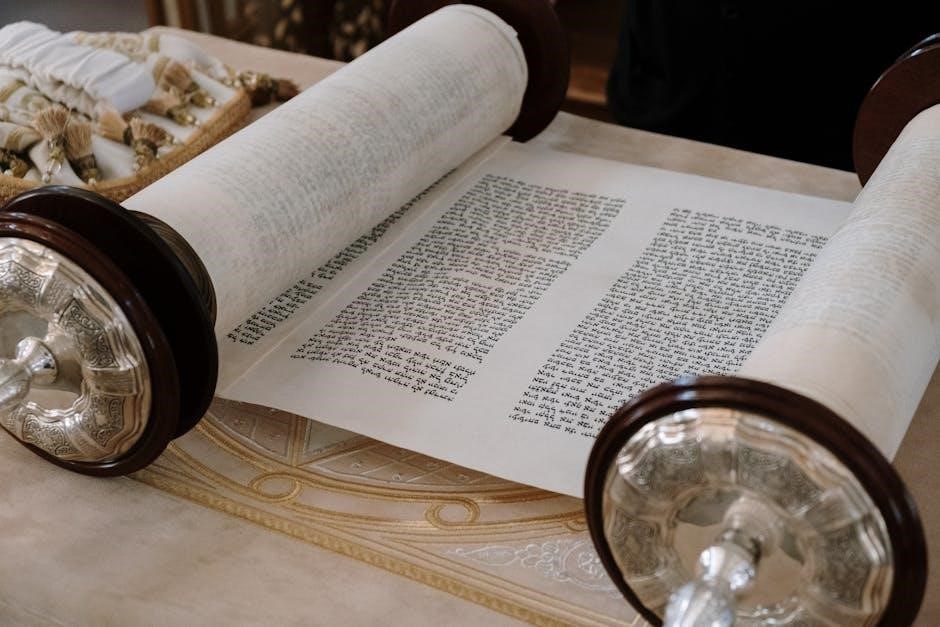
Understanding this relationship is crucial for accurate recitation. PDFs available on platforms like Etsy often include both, allowing users to easily access and follow the complete Bracha Achrona, ensuring proper fulfillment of the religious obligation. The availability of these resources simplifies adherence to tradition.
When is Al Hamichya Recited?
Al Hamichya is recited as part of Birkat Hamazon after consuming a meal containing at least a kezayit (a specified volume) of bread or other grain-based foods. Printable PDFs readily available online, such as those found on Etsy, provide the text for convenient use during these occasions.
It’s specifically used when the meal doesn’t necessitate reciting the full Birkat Hamazon, which includes Sheva Brachot (Seven Blessings). Therefore, it’s common after lighter meals or snacks involving bread.
Having a readily accessible PDF ensures correct recitation, particularly for those less familiar with the prayer. These PDFs often include transliterations, aiding pronunciation. Knowing when to use Al Hamichya, and having the text at hand, facilitates proper observance of this important Jewish tradition.
Printable Al Hamichya PDFs
Numerous Al Hamichya PDFs are available online, notably on Etsy, in A4 and US Letter sizes.
These often feature elegant golden designs, ready for home or professional printing.
Availability on Etsy and Other Platforms
Etsy emerges as a prominent marketplace for acquiring printable Al Hamichya PDFs, offering a diverse selection catering to various aesthetic preferences and needs. Sellers frequently provide instant digital downloads, ensuring immediate access post-purchase. These listings commonly include both A4 (8.3×11.7 in) and US Letter (8.5×11 in) sizes, accommodating diverse printer capabilities and regional standards.
Beyond Etsy, other online platforms and Jewish resource websites may also host Al Hamichya PDFs, though the selection might be less extensive. Some platforms specialize in Jewish liturgical texts, offering downloadable versions of prayers and blessings, including Birkat Hamazon components like Al Hamichya.
Many Etsy listings highlight the convenience of these PDFs – ready for immediate printing at home or at a local print shop. Some sellers even offer personalization options, allowing buyers to add names or dates for a customized touch, making them ideal gifts or additions to personal prayer books.
Common PDF Sizes (A4, US Letter)
When sourcing Al Hamichya PDFs, encountering two primary size options is almost universal: A4 and US Letter. A4, measuring 8.3 x 11.7 inches (210 x 297 millimeters), is the standard paper size in most of the world, particularly Europe, Asia, and Australia. Conversely, US Letter, at 8.5 x 11 inches (216 x 279 millimeters), prevails in the United States and Canada.
The availability of both sizes within a single PDF purchase is a common feature offered by many Etsy sellers and online providers. This dual-format approach ensures compatibility with a wider range of printers and user preferences, eliminating the need for resizing or potential formatting issues.
Choosing the correct size is crucial for optimal printing results. Selecting the incorrect size can lead to margins being cut off or the text appearing disproportionately small or large. Always verify your printer’s supported paper sizes before downloading and printing your Al Hamichya PDF.
Design Elements in Printable PDFs (Golden Designs)
Aesthetic appeal is a significant factor in many printable Al Hamichya PDFs, with “golden designs” being a particularly popular choice. These designs often incorporate elegant flourishes, intricate patterns, and subtle gold-colored accents to enhance the visual presentation of the text. The use of gold evokes a sense of reverence and tradition, aligning with the spiritual significance of the prayer.
These designs aren’t merely decorative; they aim to create a more beautiful and meaningful experience during prayer. Sellers on platforms like Etsy frequently highlight these elegant aesthetics as a key selling point, appealing to those seeking a visually pleasing addition to their religious practice.
The golden elements can range from simple borders to more elaborate backgrounds, often complementing traditional Hebrew typography. This blend of artistry and religious text elevates the Al Hamichya beyond a functional document, transforming it into a cherished keepsake or a beautiful gift.
Practical Use of Al Hamichya PDFs
PDFs offer convenient home printing, or professional results at print shops.
Personalization options, like adding family names, enhance the experience, creating a treasured, customized religious item.
Home Printing Options
Printing Al Hamichya PDFs at home is remarkably accessible, requiring only a standard printer and suitable paper. Most PDFs are available in both A4 (8.3×11.7 in) and US Letter (8.5×11 in) sizes, ensuring compatibility with common paper formats.
Before printing, verify your printer settings to ensure optimal quality; selecting “Best” or “High Quality” print settings is recommended for clearer text and vibrant golden designs. Consider using slightly heavier weight paper – around 24lb or 90gsm – to prevent ink bleed-through and enhance the overall feel of the printed blessing.
JPG and PDF formats are commonly provided, offering flexibility. PDF is ideal for preserving formatting, while JPG allows for easy resizing if needed. Experiment with different paper types, such as matte or gloss, to achieve your desired aesthetic. Remember to check the PDF preview before printing to confirm proper alignment and scaling.
Printing at Print Shops
Utilizing a professional print shop offers superior quality and options for Al Hamichya PDFs, especially for larger quantities or special finishes. Print shops can accommodate various paper stocks, including premium options like cardstock or textured paper, elevating the presentation.
When submitting your PDF, clearly specify your desired size (A4 or US Letter) and quantity. Discuss finishing options such as lamination for durability or a matte/glossy coating to enhance the golden design elements. Many shops offer color calibration services, ensuring accurate reproduction of the artwork.
Consider requesting a proof print before committing to a full run to verify color accuracy and layout. Print shops can also handle more complex personalization requests, like adding a family name or special date, creating a truly customized Al Hamichya for meaningful occasions.
Personalization Options
Transforming a standard Al Hamichya PDF into a cherished keepsake is easily achievable through personalization. Many Etsy sellers and print shops offer customization services, allowing you to add a unique touch. Common options include incorporating a family name, a significant date (like a Bar/Bat Mitzvah or wedding anniversary), or a short, meaningful inscription.
Before ordering, confirm the personalization details with the seller or print shop, ensuring accurate spelling and formatting. Some services allow you to preview a digital proof before printing. Consider the font style and color to complement the existing golden design elements of the PDF.
Personalization elevates the Al Hamichya beyond a simple prayer text, making it a thoughtful gift or a treasured addition to your own home practice, reflecting your family’s heritage and devotion.
Understanding Bracha Achrona
Bracha Achrona encompasses after-blessings, with Al Hamichya being a specific example.
Different foods necessitate distinct blessings – Al HaGeffen for grapes, Al HaEtz for trees.
The Concept of After-Blessings
After-blessings, known as Birkat Achrona in Hebrew, represent a fundamental aspect of Jewish practice, expressing gratitude to God for the nourishment received. These blessings aren’t merely formalities; they acknowledge the Divine source of sustenance and elevate the act of eating beyond a purely physical experience. The concept stems from a biblical obligation to acknowledge God’s provision.
Reciting Birkat Achrona isn’t simply about thanking God for the food itself, but also recognizing the entire process that brought it to our table – from the farmer’s labor to the preparation of the meal. It’s a holistic expression of appreciation. Different categories of food require specific after-blessings, reflecting the diverse nature of God’s gifts.
The Birkat Hamazon prayer, recited after a meal involving bread, is a comprehensive example of Birkat Achrona, containing multiple blessings. Within this framework, Al Hamichya holds a specific place, focusing on gratitude for sustenance generally. Understanding this broader context illuminates the significance of each individual blessing.
Al Hamichya as a Specific Bracha Achrona
Al Hamichya (על המחיה) is a specific Bracha Achrona recited after consuming foods that aren’t categorized under the blessings of Al HaGeffen (for grapes/wine) or Al HaEtz (for fruits of trees). It’s a general blessing expressing gratitude for all sustenance, encompassing a wide range of foods like meat, dairy, and cooked grains; This makes it a frequently used after-blessing in daily life.
The name Al Hamichya translates to “Who sustains the living,” highlighting God’s continuous provision and life-giving force. It acknowledges that all nourishment ultimately originates from the Divine. Printable PDFs often feature Al Hamichya alongside other Birkat Achrona texts, facilitating proper recitation.
Its inclusion in Birkat Hamazon, particularly within the Ashkenazi tradition, demonstrates its importance. Having readily available PDFs, in formats like A4 or US Letter, with transliteration, assists individuals in correctly performing this vital act of gratitude after enjoying a meal.
Different Blessings for Different Foods (Al HaGeffen, Al HaEtz)
Understanding Al HaGeffen (for grapes/wine) and Al HaEtz (for fruits of trees) is crucial because they necessitate different after-blessings than Al Hamichya. These specific blessings acknowledge the unique Divine benefit derived from these food categories. Printable PDFs often clarify which blessing applies to which food, aiding in correct practice.
Al HaGeffen expresses gratitude for the “fruit of the vine,” while Al HaEtz thanks God for the “fruit of the tree.” These aren’t interchangeable with Al Hamichya; using the wrong blessing is considered a misstep in Jewish law. Therefore, accurate, accessible PDFs are invaluable.
The distinction is important for proper Bracha Achrona observance. Resources like those found on Etsy, offering A4 or US Letter sized PDFs, often include charts or explanations to help users determine the appropriate blessing based on their meal. This ensures a mindful and correct expression of gratitude.


About the author