Overview
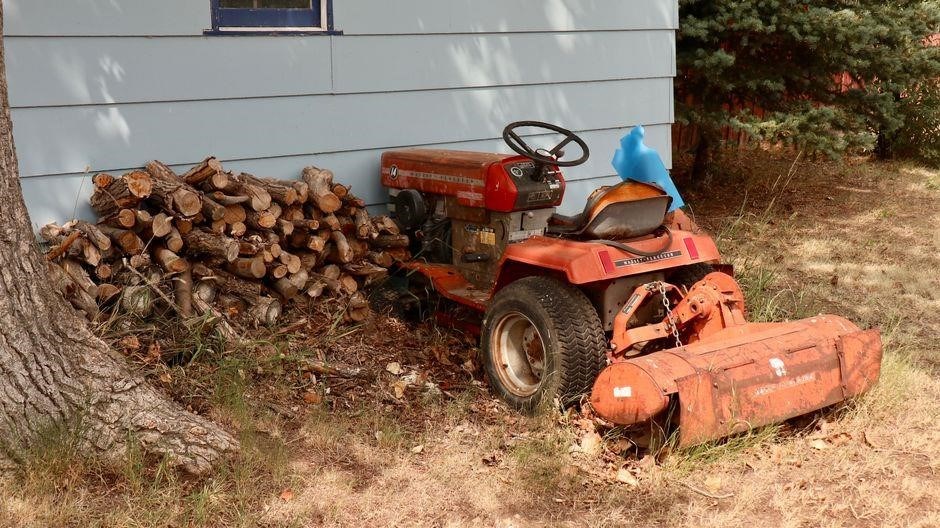
The Husqvarna YTH22V46 service manual PDF offers comprehensive guidance for maintenance, repairs, and troubleshooting. Downloading it for free provides technicians and owners with step‑by‑step instructions, diagrams, and safety warnings, ensuring optimal performance and longevity. Download ASAP.
1.1 What is the Husqvarna YTH22V46?
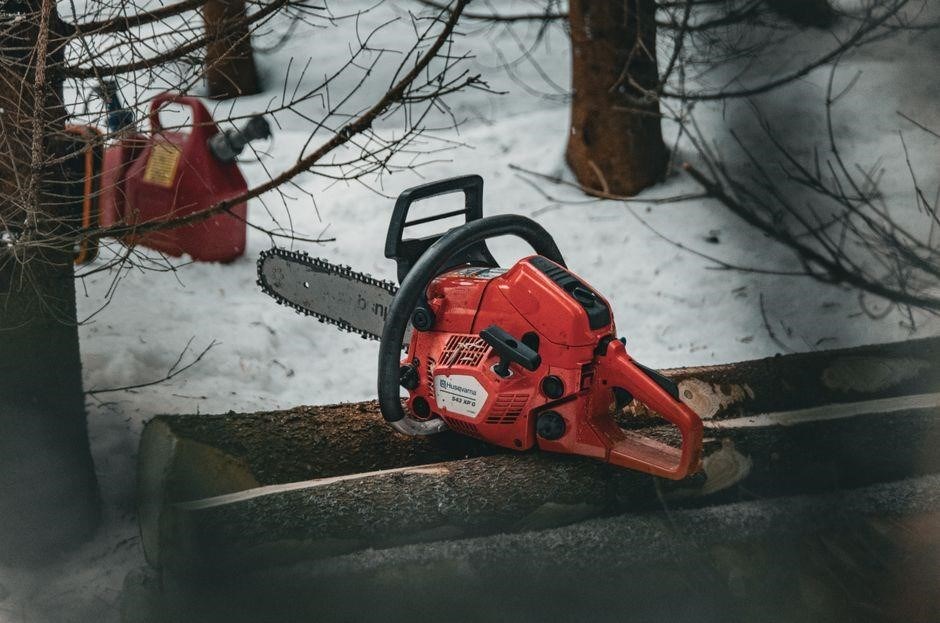
The Husqvarna YTH22V46 is a high‑performance, lightweight, 22‑inch chain saw designed for professional arborists and seasoned hobbyists alike. Its 2.7‑horsepower, 5.5‑bar, 5.5‑bar air‑cooled engine delivers consistent torque across a wide range of cutting tasks, from limb removal to felling. The saw’s ergonomic handle system, adjustable grip, and low‑vibration chassis reduce operator fatigue, making it ideal for extended work sessions. Built with a durable, corrosion‑resistant steel frame, the YTH22V46 features a 22‑inch chain and a 2.5‑inch bar, offering a balanced combination of cutting speed and control. Its integrated safety features—such as a chain brake, safety lock, and a quick‑release trigger guard—ensure safe operation even under demanding conditions. The saw’s lightweight construction, typically around 13 pounds, allows for precise maneuverability in tight spaces, while the high‑efficiency fuel system maximizes runtime and reduces emissions. Whether tackling residential tree work, commercial maintenance, or emergency rescue, the YTH22V46’s robust design and reliable performance make it a trusted tool in the field. Its robust construction and precision engineering make it a reliable companion for both routine pruning and emergency tree removal, ensuring safety and efficiency in every job. With its ergonomic design, low vibration, and quick safety lock, operators can tackle even the most demanding jobs, knowing the YTH22V46 will perform consistently under all conditions!!
1.2 Why a Service Manual is Essential

Having a detailed service manual for the Husqvarna YTH22V46 is more than a convenience; it is a cornerstone of safe, efficient, and cost‑effective operation. The manual provides step‑by‑step instructions for routine maintenance—oil changes, chain tensioning, spark plug replacement, and air filter cleaning—ensuring the saw runs at peak performance and extends its lifespan. It also contains diagnostic charts and troubleshooting guides that help identify issues before they become costly repairs. By following the manufacturer’s recommended torque specifications and service intervals, users avoid over‑tightening, under‑tightening, or misalignment that can lead to premature wear or catastrophic failure. The manual’s safety warnings and lock‑out procedures protect operators from accidental starts or chain kickback, reducing injury risk. Moreover, the YTH22V46’s advanced electronic ignition and fuel injection systems require precise calibration; the manual explains how to reset and adjust these systems, preventing power loss or fuel inefficiency. For professionals, the manual’s detailed schematics and part numbers streamline parts ordering, reducing downtime and inventory costs. It also serves as a legal record of compliance with local regulations and warranty requirements, safeguarding the owner’s investment. In short, a service manual is the single most reliable source of knowledge for maintaining, repairing, and optimizing the Husqvarna YTH22V46, ensuring safety, reliability, and longevity. All safe.!!

Finding the Manual
Locate the official Husqvarna portal or trusted third‑party sites. Search by model number YTH22V46, select the PDF, verify version, then download. Ensure the link is secure and the file matches the latest revision The PDF is very compressed, so use a PDF viewer that supports zoom for clarity .
Husqvarna’s website hosts a support portal where authorized users can download the YTH22V46 service manual in PDF format. To access the file, go to the Support section, enter the model number, and choose the “Service Manual” option. The portal requires a valid registration or dealer login, ensuring only legitimate owners and technicians receive the document. Once logged in, the manual appears as a downloadable link labeled “YTH22V46 Service Manual – PDF.” The file is compressed to reduce bandwidth usage, so a stable internet connection is recommended. After downloading, verify the file size against the listed specifications on the site to confirm completeness. The resource also provides supplementary materials such as wiring diagrams, torque specifications, and safety guidelines in separate PDF attachments. These documents are grouped under the same download page, allowing users to download all relevant files in a single ZIP archive. Husqvarna offers a mobile app that syncs the manual to smartphones and tablets, enabling technicians to reference the guide on the job site. The app includes search, page navigation, and annotation features. For a printed version, the portal offers a print‑ready PDF formatted for A4 paper, ensuring diagrams and tables remain legible when printed. By using resources, users can be confident they are working with the most up‑to‑date version, incorporating the latest safety updates and revisions. The portal also provides a contact form for technical support, where users can submit questions about specific procedures or request additional documentation. This direct line of communication with Husqvarna’s engineering team ensures ambiguities are clarified promptly, fostering a smoother maintenance process. Users can also download firmware updates from the portal. All files are free
2.2 Third‑Party PDF Repositories
Many independent platforms host the YTH22V46 service manual as a free PDF, offering quick access for hobbyists and professionals alike. These repositories typically gather files from public domain archives, user‑shared libraries, or manufacturer‑provided PDFs that have been uploaded by community members. While convenient, it is essential to verify the authenticity of each document before use. Look for version numbers, revision dates, and cross‑reference the table of contents with the official Husqvarna layout to ensure no sections are missing. Additionally, check for any embedded watermarks or copyright notices that may indicate a non‑official copy. A reliable repository will also provide a checksum or MD5 hash, allowing you to confirm file integrity after download. Users should avoid sites that require excessive registration or offer the manual bundled with unrelated software, as these may host malware. Instead, prioritize well‑known, reputable sites that maintain a clear privacy policy and provide user reviews. Once downloaded, scan the PDF with an up‑to‑date antivirus program before opening. Finally, keep a local backup of the verified manual in a secure folder, labeling it with the exact version and date for future reference.By maintaining a copy in a cloud folder with version control, you ensure quick retrieval during service appointments, sharing the file with team members becomes seamless, fostering practices across locations!!.

Downloading Safely
When downloading the YTH22V46 manual, use a trusted source, verify the file’s checksum, and run a virus scan before opening. Avoid sites that prompt for unnecessary downloads or ask for personal data. Keep the PDF in a secure folder and update it when new revisions appear. Store it in a passwordarchive!
3.1 Verifying File Integrity
Ensuring the Husqvarna YTH22V46 service manual PDF is authentic and uncorrupted is a critical step before use. Begin by comparing the file’s hash value—usually a SHA‑256 or MD5 checksum—against the one provided by the official download page or a reputable repository. Most sites display the checksum in a dedicated section; copy it precisely, then use a command‑line tool or a GUI application to generate the hash of your downloaded file. A mismatch indicates tampering or a corrupted download, and the file should be re‑obtained.
Next, inspect the PDF’s internal structure. Open the file in a reader that supports document properties and metadata; verify that the title, author, and revision date match the expected values for the YTH22V46 manual. Look for anomalies such as unexpected fonts, broken links, or missing pages. Some advanced users employ PDF validation tools that check for compliance with PDF/A standards, ensuring long‑term archival integrity.
Finally, perform a sanity check on the content itself. Skim through key sections—like the safety warnings, torque specifications, and wiring diagrams—to confirm they align with known specifications for the YTH22V46. If any section appears out of place or incomplete, suspect a counterfeit or outdated version. By following these steps, you protect yourself from malicious alterations and guarantee that the manual you rely on is both genuine and reliable.
To further safeguard the integrity of the PDF, maintain a backup copy on a separate storage medium and periodically re‑verify the checksum. Document any changes you make to the file, and keep a log of the original and modified versions. This practice ensures traceability warranty requirements.
3.2 Avoiding Malware and Phishing
When you seek a free Husqvarna YTH22V46 service manual PDF, the risk of malware or phishing is high. First, verify the domain: official Husqvarna sites use https://www.husqvarna.com and subdomains ending in .com. Avoid sites with suspicious TLDs or excessive redirects. Second, use a reputable mirror that offers a signed checksum; if the site lacks a hash, it’s a red flag. Third, before opening the PDF, scan the file with an up‑to‑date antivirus program. Many security suites can detect embedded scripts or malicious attachments in PDFs;
Phishing attempts often masquerade as download links. Hover over the link to reveal the true URL; it should point to a Husqvarna domain or a trusted document host. Don’t click on shortened URLs unless you trust the source. If the download prompt asks for administrative privileges or requests you to install a “helper” program, decline immediately. Legitimate PDFs are self‑contained and do not require any additional software.
Use a sandbox or virtual machine for the initial download and opening of the file. This isolates any potential threat from your primary operating system. After confirming the file’s integrity with a checksum, move it to your production environment. Keep your operating system, browsers, and PDF readers updated to mitigate known vulnerabilities. Finally, educate yourself on common phishing tactics: look for typos, mismatched branding, and urgent language that pressures you to download quickly. Stay alert. always.!

Using the PDF

Open the Husqvarna YTH22V46 manual with a reliable PDF viewer. Use the table of contents for quick navigation, search for keywords, and bookmark critical sections. Print pages as needed, annotate with notes, and keep a digital copy for future reference. Keep it handy. daily !
4.1 Navigating the Document
Open the Husqvarna YTH22V46 service manual PDF and start at the table of contents. Use the built‑in search (Ctrl+F/Cmd+F) to jump to terms like “oil change” or “torque table.” Each chapter is numbered (e.g., 3.2.4 for “Spark Plug Replacement”) and has a clear heading, making cross‑reference easy. The appendix contains parts lists and torque tables linked to the main sections.
Bookmark frequently used pages by right‑clicking and selecting “Add Bookmark.” The thumbnail view on the left gives a quick visual map; hover to preview pages; To jump to a specific page number, type the number into the “Go to page” field (usually found in the toolbar or under the View menu). You can also use the zoom function to enlarge diagrams for detailed inspection.
When printing, select “Print Entire Document” or “Print Selected Pages” to avoid unnecessary paper waste. Most PDF readers allow you to choose a page range (e.g., 45‑60) and set the scale to fit the page. If you plan to annotate, use the “Comment” or “Markup” tools to add notes directly onto the PDF. These annotations can be saved and shared with teammates for collaborative troubleshooting. Remember to update your bookmarks after major revisions. If you prefer a hard copy, use the print preview to ensure formatting is correct.
Finally, keep the PDF file in a well‑organized folder structure. Name the file with the model number and year (e.g., YTH22V46_2024_ServiceManual.pdf) and store it on both local storage and a cloud backup. This ensures that you always have a reliable copy, even if your computer fails. Keep a backup on an external drive for added protection. Regularly check for PDF updates from Husqvarna’s official site.

4.2 Printing and Annotating
When you decide to print the Husqvarna YTH22V46 service manual, start by selecting the “Print” option from the PDF viewer’s menu. Choose a printer that supports duplex printing to save paper, and set the scaling to “Fit to Page” so that diagrams and tables remain legible. If you only need specific sections, use the “Print Range” feature and enter the page numbers (e.g., 45‑60). After printing, gather the pages in a logical order: start with the table of contents, followed by the main chapters, and finish with the appendices. This arrangement makes it easier to reference parts during maintenance. Annotating the manual is just as important as printing. Most PDF readers offer a “Comment” or “Markup” toolbar. Use the highlighter to flag critical steps, the sticky note tool to add reminders, and the pen tool to draw arrows pointing to specific components. When you finish a service task, add a date stamp and your initials to the relevant page. This creates a clear audit trail that can be reviewed later. If you prefer physical annotations, print the pages in high‑resolution mode and use a fine‑point pen or a permanent marker. Keep the annotated copies in a dedicated binder, labeled with the model number and service date, so you can quickly locate them during future repairs for quick reference and log. By combining precise printing with thorough annotation, you’ll have a reliable, hands‑on reference that speeds up troubleshooting and reduces the risk of error.

Tips & Legalities
Keep the manual in a secure digital backup and a physical copy in a labeled folder. Verify the source before downloading to avoid malware. Respect copyright: use the PDF for personal repair, not for redistribution. When sharing, provide a link, not the file itself. Follow local laws. and keep logs.!
5.1 Maintaining the Manual for Future Use
Maintaining a digital copy of the Husqvarna YTH22V46 service manual ensures you can always reference critical procedures without relying on physical storage. Begin by creating a dedicated folder on your computer or external drive, naming it clearly (e.g., “YTH22V46 Service Manual”). Store the PDF in this folder, and back it up to a cloud service such as Google Drive, Dropbox,or OneDrive. Use a consistent naming convention that includes the version number and date to avoid confusion with older or newer editions. For physical preservation, print a hard copy using a high-res printer. Store the printed manual in a fireproof, waterproof box labeled with the same naming scheme. Keep the box in a climatecontrolled environment to prevent paper degradation. If you prefer a digital format, consider converting the PDF to a PDF/A archive format, which preserves the original layout and metadata for longterm archival. Regularly verify the integrity of your digital copy by comparing its checksum (e.g., MD5 or SHA‑256) with the original file’s checksum. If the checksum changes, re‑download the file from a trusted source. Update the manual whenever Husqvarna releases a new version; replace the old file in all backup locations. Maintain a change log that records the version, date, and any significant updates or corrections. This log will help you track revisions and ensure you’re always working with the most accurate information. Finally, consider sharing the manual with trusted colleagues or community members by providing a secure link rather than the file itself. This practice respects copyright while enabling maintenance..
5.2 Copyright and Fair Use Considerations
When accessing the Husqvarna YTH22V46 service manual PDF for free, it is crucial to understand the legal framework that governs its use. The manual is protected by copyright law, and the distribution of the full document without explicit permission from Husqvarna is typically prohibited. However, certain uses may fall under the doctrine of fair use, especially for educational, repair, or troubleshooting purposes. To determine if your use qualifies, consider the four factors of fair use: the purpose and character of the use, the nature of the copyrighted work, the amount taken, and the effect on the market. For instance, using short excerpts to illustrate a specific repair step in a private workshop or a community forum may be permissible, whereas uploading the entire manual to a public website would likely infringe. Additionally, Husqvarna may offer a free, limited‑view version of the manual on its official site, which is intended for public access; downloading from such a source is generally lawful. If you need the full manual for professional service, it is advisable to purchase an official copy or obtain a license. Always keep records of the source and any permissions granted, and avoid sharing the PDF with unauthorized parties. Respecting copyright not only protects company’s intellectual property but also ensures that you have access to up‑to‑date and accurate information for safe maintenance of equipment Use responsibly Stay OK