Category Archive Manuals

Byjeff

biddeford electric blanket user manual

Biddeford electric blankets offer cozy warmth, simplifying travel planning across Dutch public transport – trains, buses, trams, and ferries – via the 9292 app.

What is a Biddeford Electric Blanket?

Biddeford electric blankets are designed to provide personalized warmth and comfort, much like the comprehensive travel planning offered by the 9292 app in the Netherlands. This app consolidates schedules for trains, buses, trams, metros, and ferries into a single, user-friendly platform. Similarly, a Biddeford blanket utilizes integrated heating wires to deliver consistent heat.

These blankets aren’t just for warmth; they offer convenience. Just as 9292 allows for e-ticket purchases and real-time location tracking, Biddeford blankets feature adjustable heat settings and timers. They are intended for individual use, providing a relaxing experience. The 9292 app’s focus on current travel information mirrors the blanket’s focus on user comfort and safety.

Safety Precautions Before Use

Prior to using your Biddeford electric blanket, carefully inspect it for any signs of damage, mirroring the diligence of checking for disruptions on the 9292 Dutch public transport app. Never use a blanket with frayed wires or a damaged control box. Ensure the blanket lies flat without any creases or bunching, similar to planning a smooth journey with minimal transfers via 9292.

Do not use with infants, incapacitated persons, or those insensitive to heat. Avoid sitting or placing heavy objects on the blanket. Always unplug the blanket when not in use, just as you’d finish planning your trip on 9292. Never use it while wet. Following these precautions ensures safe and comfortable use, much like a reliable journey planned with 9292.

Understanding Your Blanket’s Controls

Biddeford blanket controls, like the 9292 app for Dutch transport, offer easy journey – or warmth – customization with intuitive settings and clear functionality.

Identifying the Control Box

The control box is the central hub for operating your Biddeford electric blanket, much like the 9292 app centralizes Dutch public transport information. It’s typically a rectangular unit with several buttons or a dial, often attached to the blanket with a cord. Locate this box; it’s crucial for adjusting heat settings and timer functions.

Carefully examine the control box for labeled buttons indicating power, heat levels (Low, Medium, High), and timer options. Some models feature digital displays for precise temperature control. The box may also have indicator lights to show when the blanket is heating or if the automatic shut-off feature is activated. Understanding the layout of your specific control box is the first step to enjoying safe and comfortable warmth, mirroring how understanding the 9292 app interface simplifies travel planning.

Heat Setting Levels Explained

Biddeford electric blankets typically offer multiple heat settings, similar to how 9292 provides detailed travel connections. ‘Low’ provides gentle warmth, ideal for maintaining comfort without overheating – perfect for sensitive individuals or milder nights. ‘Medium’ delivers a noticeable increase in heat, suitable for cooler temperatures and general use.

‘High’ offers the maximum warmth, best for quickly warming up or extremely cold conditions. Use this setting cautiously to avoid discomfort. Some blankets include additional settings or a pre-heat function. Always start with the lowest setting and gradually increase it until you reach your desired comfort level. Remember, like planning a journey with 9292, adjusting to the right setting ensures a pleasant experience.

Timer Functionality

Biddeford blankets often feature a timer, mirroring 9292’s ability to schedule journeys. This allows you to pre-set the blanket to turn off after a specific duration, enhancing safety and conserving energy. Common timer options include 1, 2, 3, and 4-hour settings, providing flexibility to match your sleep patterns or desired usage time.

To activate the timer, press the timer button on the control box until your desired time is displayed. The blanket will automatically shut off once the timer reaches zero. Utilizing the timer prevents prolonged heating while you sleep, reducing potential risks. Just as 9292 helps you arrive at your destination efficiently, the timer ensures your blanket provides warmth only when needed, promoting both comfort and peace of mind.

Setting Up and Using Your Blanket

Like planning a trip with 9292, proper setup is key! Inspect for damage, position the blanket correctly, and connect it to a grounded power outlet safely.

Initial Inspection and Preparation

Before first use, carefully inspect your Biddeford electric blanket for any signs of damage. Much like checking train connections on the 9292 app before departure, a thorough inspection ensures a safe and comfortable experience. Examine the entire blanket, paying close attention to the cord, control box, and heating wires.

Ensure there are no visible tears, frayed edges, or exposed wires. Do not use the blanket if any damage is detected. Gently unfold the blanket and lay it flat to remove any wrinkles. It’s also crucial to confirm the blanket is plugged into a properly grounded electrical outlet. Avoid using extension cords if possible, and never operate the blanket if it’s wet. Preparing the blanket correctly is vital for optimal performance and safety.

Placing the Blanket Correctly

Proper placement of your Biddeford electric blanket is essential for even heat distribution and user safety. Similar to planning a seamless journey with 9292, careful positioning maximizes the benefit. Lay the blanket flat on the bed, ensuring it’s positioned where you typically lie.

Avoid tucking the blanket tightly under the mattress, as this can cause overheating and damage the internal wires. Do not allow the blanket to fold back on itself or bunch up. The control box should be easily accessible and not placed where it could be sat upon or damaged. Ensure the cord is not pinched or twisted. For optimal comfort, position the blanket directly under your sheets, allowing for a layer of fabric between your skin and the heated surface.

Connecting to Power Source

Before connecting your Biddeford electric blanket, verify the voltage on the blanket’s label matches your household current – typically 120V in North America. Just as 9292 integrates various transport systems, ensure a compatible connection for safe operation. Locate a grounded electrical outlet and avoid using extension cords if possible.

If an extension cord is necessary, it must be heavy-duty and rated for the blanket’s wattage. Firmly insert the plug into the outlet. The blanket should have a power indicator light illuminating to confirm connection. Never operate the blanket if the cord or plug is damaged. Regularly check the cord for any signs of wear and tear. Do not use with a damaged outlet.

Care and Maintenance

Maintaining your Biddeford blanket, like planning journeys with 9292, ensures optimal performance; follow washing and storage guidelines for longevity and safety.

Washing Instructions

Before washing your Biddeford electric blanket, always disconnect the control. Gently hand wash or machine wash on a delicate cycle using mild detergent. Avoid harsh chemicals, bleach, or fabric softeners, as these can damage the wiring. Similar to checking real-time travel updates on 9292, regular cleaning maintains functionality.

Ensure the blanket is fully submerged in water and avoid twisting or wringing it. Gently squeeze out excess water, and never attempt to wash the control itself. Lay the blanket flat to dry or hang it over a clothesline, avoiding direct sunlight or heat. Like planning a seamless journey with 9292, proper washing preserves the blanket’s comfort and safety.

Drying Guidelines

After washing, never use a tumble dryer to dry your Biddeford electric blanket. The heat can severely damage the internal wiring and pose a safety hazard. Just as 9292 provides real-time location tracking, careful drying is crucial for continued safe operation.

Instead, lay the blanket flat on a clean, dry surface or hang it over a clothesline, ensuring it’s fully spread out. Avoid direct sunlight or heat sources like radiators, as these can also cause damage. Ensure the blanket is completely dry before reconnecting the control and using it. Like planning a door-to-door trip with 9292, thorough drying ensures a comfortable and safe experience. Complete dryness is essential to prevent electrical issues.

Storage Recommendations

When storing your Biddeford electric blanket, ensure it is completely dry and neatly folded to prevent damage to the wiring. Avoid sharp creases or folding along the same lines repeatedly. Similar to 9292’s comprehensive travel planning, proper storage extends the life of your blanket.

Store the blanket in a cool, dry place, away from direct sunlight and extreme temperatures. It’s best to store it in its original packaging or a breathable cotton bag. Do not store it with mothballs or other chemicals. Just as 9292 offers accessible routes, proper storage ensures your blanket is ready when you need it. Avoid placing heavy objects on top of the folded blanket to prevent crushing the internal components.

Troubleshooting Common Issues

Like navigating disruptions with 9292, address blanket problems promptly; check connections, settings, and wiring for common issues like no heat or control malfunctions.

Blanket Not Heating

If your Biddeford electric blanket isn’t warming up, begin with the simplest checks, mirroring how 9292 provides real-time transport updates. First, ensure the blanket is securely plugged into a functioning power outlet. Test the outlet with another device to confirm it’s delivering power.

Next, verify the control box is switched on and the desired heat setting is selected. Sometimes, the setting may be inadvertently turned to ‘off’ or a very low level. Inspect the cord for any visible damage – frays, cuts, or exposed wires – which could interrupt the power supply.

If the issue persists, check the control box itself for any warning lights or error indicators. Refer to your user manual for specific troubleshooting guidance related to the control box. A faulty control box may require replacement. Finally, ensure the blanket’s internal sensors aren’t obstructed, as these regulate temperature and can prevent heating if compromised.

Control Box Malfunctions

Experiencing issues with your Biddeford blanket’s control box? Similar to how 9292 provides journey planning, understanding the control box is key. If the display is blank or unresponsive, first try unplugging the blanket for several minutes, then reconnecting it. This can sometimes reset the system.

If buttons aren’t functioning, gently clean the control box surface with a dry cloth to remove any dust or debris; Avoid using liquids. If the heat settings aren’t responding correctly – for example, remaining stuck on high – or the timer isn’t working, this indicates a potential internal fault.

Do not attempt to disassemble or repair the control box yourself; this could be dangerous and void your warranty. Contact Biddeford customer support for assistance or explore warranty claim options. A malfunctioning control box usually requires professional repair or replacement.

Cord Damage and Repair

A damaged cord presents a serious safety hazard. Much like ensuring accurate travel information with 9292, a functional cord is vital for your blanket. Never use a Biddeford electric blanket with a frayed, cracked, or otherwise damaged power cord. Inspect the entire length of the cord regularly for any signs of wear and tear.

Do not attempt to repair the cord yourself. Electrical repairs should only be performed by qualified professionals. Attempting a DIY repair could lead to electric shock or fire. If you notice any damage, immediately discontinue use of the blanket.

Contact Biddeford customer support to discuss replacement options or potential warranty coverage. Using an extension cord is generally not recommended, but if necessary, ensure it is heavy-duty and properly rated for the blanket’s wattage. Prioritize safety above all else.

Warranty Information

Biddeford blankets come with a limited warranty covering manufacturing defects, similar to 9292’s reliable journey planning, ensuring peace of mind for users.

Coverage Details

Biddeford’s warranty safeguards against defects in materials and workmanship under normal household use. This doesn’t cover damage from misuse, accidents, alterations, or natural disasters – much like unforeseen disruptions impacting 9292’s travel schedules. The warranty period typically begins from the original purchase date, and proof of purchase is essential for any claim.

Coverage includes repair or replacement of the defective blanket, at Biddeford’s discretion. Consequential damages aren’t covered, mirroring how 9292 provides route information but isn’t liable for missed connections. The warranty is valid for the original purchaser only and isn’t transferable. Regular adherence to the care instructions outlined in this manual is crucial to maintain warranty validity.

How to Make a Claim

To initiate a warranty claim for your Biddeford electric blanket, first gather your original proof of purchase – date and retailer are vital, similar to needing travel details when reporting issues via 9292. Contact Biddeford’s customer service department; details are found within this manual or on their website.

Be prepared to describe the defect clearly and provide photos if possible. Biddeford may request you return the blanket for inspection – shipping costs might be your responsibility. Like planning a journey on 9292, providing accurate information expedites the process. A claim number will be assigned, and Biddeford will assess the issue and determine eligibility for repair or replacement.

Safety Features Explained

Biddeford blankets prioritize safety with overheat protection and automatic shut-off, mirroring 9292’s real-time updates for secure and reliable Dutch public transport journeys.

Overheat Protection

Biddeford electric blankets are equipped with a sophisticated overheat protection system, a crucial safety feature designed to prevent the blanket from reaching dangerously high temperatures. This system continuously monitors the internal temperature of the blanket, and if it detects an abnormal rise, it automatically reduces the power output.

Similar to how 9292 provides real-time updates on disruptions in Dutch public transport, ensuring a safe journey, this feature proactively safeguards against potential hazards. The overheat protection isn’t a one-time event; it’s a continuous monitoring process throughout the blanket’s operation. This ensures consistent safety, even during extended use. It’s a vital component, offering peace of mind and protecting users from accidental burns or fire risks. Regular inspection of the cord and control box is still recommended to maintain optimal functionality.

Automatic Shut-Off

Biddeford electric blankets incorporate an automatic shut-off feature, enhancing user safety and conserving energy. This function is programmed to turn the blanket off after a pre-determined period of operation, typically several hours. This prevents the blanket from remaining powered on unattended, minimizing the risk of overheating or potential fire hazards.

Much like the 9292 app’s ability to plan journeys and provide estimated arrival times, this feature offers a level of automated security. The shut-off timer varies depending on the model, so consulting your specific user manual is essential. This feature doesn’t negate the need for responsible use; always unplug the blanket when not in use. It’s a valuable safety net, providing an extra layer of protection and peace of mind for users.


Byjeff

ariens parts manual

Ariens Parts Manual: A Comprehensive Guide (Updated 04/07/2026)

Today’s date is 04/07/2026! This comprehensive guide unlocks access to genuine Ariens parts, detailed diagrams, and RapidCare support for seamless ordering and maintenance.

Ariens parts manuals are essential resources for owners seeking to maintain, repair, or restore their outdoor power equipment. These manuals provide detailed exploded-view diagrams, identifying each component with a unique part number, facilitating accurate ordering and installation. Accessing the correct manual is the first step towards successful equipment upkeep.

Whether you own a snow blower, lawn tractor, log splitter, or another Ariens product, a dedicated parts manual exists to guide you. These manuals aren’t simply lists; they are visual guides that demonstrate how parts fit together, aiding in disassembly and reassembly. They are available in both physical and digital (PDF) formats, offering flexibility for users.

Understanding how to navigate these manuals – interpreting the diagrams and locating part numbers – empowers owners to perform repairs independently, saving time and money. Furthermore, using genuine Ariens parts, as referenced within the manuals, ensures compatibility and optimal performance, extending the life of your equipment. This introduction sets the stage for a deeper dive into locating and utilizing these invaluable resources.

Why Use Genuine Ariens Parts?

Genuine Ariens OEM (Original Equipment Manufacturer) parts are specifically engineered and rigorously tested to meet the exact standards of your Ariens equipment. This dedication to precision ensures a perfect fit, optimal performance, and long-lasting durability – qualities often compromised by aftermarket alternatives.

Using non-genuine parts can lead to a cascade of issues, including reduced efficiency, premature wear, and even potential damage to other components. Ariens designs its parts to work synergistically, and substituting with inferior products disrupts this harmony. Genuine parts maintain your equipment’s warranty and uphold its resale value.

Furthermore, Ariens parts manuals explicitly reference OEM part numbers, streamlining the ordering process and eliminating guesswork. Investing in genuine parts isn’t merely about repair; it’s about preserving the integrity and longevity of your Ariens investment. Peace of mind comes standard with every authentic Ariens component, guaranteeing reliable operation for years to come.

Understanding Ariens Model Numbers

Ariens model numbers are crucial for identifying the correct parts for your specific equipment. These alphanumeric codes contain valuable information about the machine’s type, features, and manufacturing year. Accurately deciphering this code is the first step towards successful parts lookup and ordering.

Typically, an Ariens model number consists of several characters. The initial digits often indicate the equipment category – for example, snow blowers, lawn tractors, or log splitters. Subsequent characters specify the series, engine size, and other key specifications. A complete model number is essential when using online parts finders or contacting an Ariens dealer.

Locate the model number plate on your equipment; it’s usually found on the frame or engine. Always double-check the number before initiating a parts search to avoid ordering incorrect components. Utilizing the correct model number guarantees compatibility and ensures a proper fit, saving you time and frustration. Accurate identification is paramount for efficient maintenance and repair.

Locating Ariens Parts Diagrams

Accessing detailed parts diagrams is simplified through online tools, the Ariens Parts Finder, and downloadable PDF manuals, ensuring you find the exact component needed.

Online Parts Lookup Tools

Ariens provides several robust online parts lookup tools designed to streamline the process of identifying and ordering replacement parts for your equipment. These digital resources are invaluable for both seasoned mechanics and first-time repairers. The primary benefit of utilizing these tools is the ability to visually locate parts using interactive diagrams specific to your Ariens model.

These tools allow users to search by model number, ensuring compatibility and accuracy. Once the correct model is selected, a comprehensive parts list is displayed, often accompanied by exploded views that clearly illustrate the relationship between components. This visual aid significantly reduces the risk of ordering incorrect parts. Furthermore, many tools provide real-time parts availability information, indicating whether a part is in stock and ready to ship.

Ariens’ online systems are continuously updated to reflect the latest parts information and model revisions. This commitment to accuracy ensures that users have access to the most current data available. Utilizing these tools empowers owners to perform self-diagnostics and repairs, saving both time and money compared to relying solely on professional service.

Using the Ariens Parts Finder

The Ariens Parts Finder is a user-friendly, web-based application specifically engineered to simplify the identification of genuine Ariens OEM parts. To begin, users input their equipment’s model number – a crucial step for ensuring parts compatibility. The system then displays a series of detailed parts diagrams, categorized by component groups, such as engines, drives, or cutting decks.

Navigating the Parts Finder is intuitive; users can zoom in on diagrams for closer inspection and click on individual parts to view their corresponding part numbers, descriptions, and current pricing. The tool also indicates parts that are commonly replaced together, offering helpful suggestions for comprehensive repairs. A key feature is the ability to create a parts list, which can then be saved or directly added to a shopping cart.

Ariens emphasizes the importance of using genuine parts, and the Parts Finder facilitates this by guaranteeing access to authentic Ariens components. This ensures optimal performance, longevity, and warranty coverage for your equipment. The Parts Finder is regularly updated, reflecting the latest parts revisions and model information.

Accessing Ariens Parts Manuals (PDF Format)

Ariens provides convenient access to comprehensive parts manuals in PDF format directly through their official website and various online retailers. These digital manuals offer a detailed, exploded-view representation of your Ariens equipment, facilitating accurate parts identification and repair procedures. Locating the correct manual requires knowing your equipment’s specific model number, which is typically found on a decal affixed to the machine.

PDF manuals are advantageous due to their portability and ease of use; they can be downloaded, saved, and viewed on a variety of devices, including computers, tablets, and smartphones. Each manual includes a complete parts list with corresponding diagrams, allowing users to pinpoint the exact component needed for repairs.

Furthermore, these manuals often contain valuable information regarding assembly instructions, maintenance schedules, and troubleshooting tips. Downloading and storing these PDFs ensures you always have access to critical repair information, even without an internet connection. Ariens continually updates these resources, ensuring accuracy and relevance.

Ariens Equipment Types & Parts Availability

Ariens supports a wide range of equipment—snow blowers, lawn tractors, log splitters, and engines—with readily available genuine Ariens OEM parts for optimal performance.

Ariens Snow Blowers: Parts Overview

Ariens snow blowers are renowned for their durability and power, and maintaining them requires access to quality parts. This overview details the key components and parts availability for both two-stage and single-stage models. For Ariens Professional, Deluxe, Platinum, and Compact series, finding the right part is simplified through dedicated parts lookup tools.

Genuine Ariens parts ensure a precise fit and optimal performance, extending the life of your snow blower. Common replacement parts include shear pins, drive belts, scraper bars, and auger components. Detailed parts diagrams are readily accessible in PDF format, aiding in accurate identification and ordering.

Whether you need to repair a damaged auger or replace a worn drive belt, Ariens provides comprehensive support. Authorized dealers and online retailers offer a vast selection of parts, backed by RapidCare support for assistance with parts ordering and troubleshooting. Maintaining your snow blower with genuine Ariens parts guarantees reliable operation season after season.

Two-Stage Snowblower Parts

Ariens two-stage snowblowers utilize a robust system requiring specific parts for optimal function. Key components include the auger housing, impeller, shear pins, drive belt, scraper bar, and various engine parts. Accessing detailed parts diagrams is crucial for identifying the correct replacement. These diagrams, often available in PDF format, illustrate exploded views of the snowblower’s assembly.

Common repairs often involve replacing shear pins – designed to protect the auger from damage – or the drive belt, which transmits power to the wheels. The scraper bar, responsible for cleaning the pavement, also requires periodic maintenance or replacement. Genuine Ariens OEM parts guarantee a precise fit and reliable performance.

Locating these parts is streamlined through authorized Ariens dealers and online retailers. RapidCare support assists with parts lookup and ordering, ensuring you receive the correct component for your specific model. Regular maintenance using genuine parts maximizes the lifespan and efficiency of your two-stage Ariens snowblower.

Single-Stage Snowblower Parts

Ariens single-stage snowblowers, known for their compact design, rely on a simpler parts configuration compared to two-stage models. Essential components include the auger, scraper blade, shear pins, drive belt, and engine parts. Finding accurate parts diagrams is vital for successful repairs and maintenance.

The auger, responsible for scooping and throwing snow, is a primary focus for maintenance. Shear pins protect the auger from damage caused by obstructions, and regular inspection and replacement are necessary. The scraper blade ensures a clean clearing path, while the drive belt powers the auger’s rotation.

Genuine Ariens parts are recommended to maintain optimal performance and prevent compatibility issues. Authorized dealers and online retailers offer a wide selection of single-stage snowblower parts, supported by RapidCare assistance for accurate identification and ordering. Utilizing the correct parts and following maintenance schedules will prolong the life of your Ariens single-stage snowblower.

Ariens Lawn & Garden Tractors: Parts Breakdown

Ariens lawn and garden tractors feature a more complex parts system than snowblowers, requiring detailed diagrams for effective repair. Key areas include the engine, transmission, deck, and steering components. Accessing the correct parts manual is crucial for identifying specific parts and ensuring compatibility.

Engine parts encompass filters, spark plugs, belts, and potentially carburetor components. The transmission system includes drive belts, gears, and axles, vital for smooth operation. Deck parts, such as blades, spindles, and anti-scalp wheels, directly impact cutting performance. Steering components ensure precise control.

Genuine Ariens OEM parts guarantee a precise fit and optimal performance. Authorized Ariens dealers provide expert assistance in locating the correct parts, while online retailers offer convenience and a broad selection. Utilizing RapidCare support streamlines the ordering process, ensuring you receive the right parts for your specific tractor model.

Ariens Log Splitters: Parts Identification

Ariens log splitters, while robust, require occasional parts replacement for optimal performance. Key components include the engine, hydraulic system, splitting wedge, and control levers. Accurate parts identification is paramount for safe and efficient repairs, and the parts manual is your primary resource.

Engine parts, similar to tractors, involve filters, spark plugs, and potentially carburetor adjustments. The hydraulic system demands attention to pumps, hoses, cylinders, and fluid levels. The splitting wedge itself may require replacement due to wear and tear. Control levers and linkages ensure precise operation.

Genuine Ariens parts are engineered for durability and a perfect fit. Authorized dealers offer expert guidance in selecting the correct components, while online retailers provide convenient access. Leveraging RapidCare support simplifies the ordering process, guaranteeing you receive the appropriate parts for your log splitter model.

Ariens Engines: Parts & Maintenance

Ariens equipment relies on dependable engines, and maintaining these powerhouses is crucial. Common parts requiring attention include air filters, oil filters, spark plugs, and fuel lines. Regular maintenance, guided by your Ariens parts manual, extends engine life and ensures peak performance.

Oil changes are fundamental, utilizing the manufacturer’s recommended grade and viscosity. Air filter replacement prevents debris from entering the combustion chamber, safeguarding internal components. Spark plugs ignite the fuel-air mixture, and worn plugs diminish efficiency. Fuel lines should be inspected for cracks or leaks.

Genuine Ariens OEM parts guarantee compatibility and optimal operation. Utilizing non-genuine parts can compromise performance and potentially void warranties. Accessing detailed parts diagrams through the Ariens Parts Finder simplifies identification and ordering. Remember, proper engine maintenance translates to years of reliable service;

Common Ariens Parts & Replacement

Frequently replaced parts include shear pins, drive belts, scraper bars, and augers. Genuine Ariens OEM parts ensure a precise fit and reliable performance for your equipment.

Shear Pins & Replacement Procedures

Shear pins are vital safety components designed to protect your Ariens snowblower’s gearbox from damage caused by striking solid objects. These pins intentionally break under excessive stress, preventing costly repairs to more substantial parts. Identifying the correct shear pin for your specific Ariens model is crucial; referencing your parts manual or utilizing the online parts lookup tools is highly recommended;

Replacement is straightforward, but always disconnect the spark plug wire before beginning any maintenance. Locate the broken pin, remove any remaining fragments, and insert the new pin, ensuring it’s properly aligned; Avoid using bolts or other substitutes, as they won’t shear properly and could cause significant damage.

Regular inspection of shear pins is a proactive maintenance step. Keeping a supply of replacement pins on hand will minimize downtime during snow removal. Remember to consult your Ariens operator’s manual for specific torque specifications when tightening any related fasteners. Proper shear pin maintenance contributes to the longevity and reliable operation of your Ariens snowblower.

Drive Belts: Types & Installation

Ariens snowblowers utilize various drive belt types, including V-belts and specific molded belts, depending on the model and function. Understanding the belt’s role – whether it powers the auger, impeller, or drive system – is key to selecting the correct replacement. Always refer to your Ariens parts manual or the online parts finder to confirm the appropriate belt for your machine.

Installation typically involves releasing tension on the belt tensioner, removing the old belt, and carefully installing the new one, ensuring it’s properly seated in all pulleys. Double-check the belt routing against the parts diagram before releasing the tensioner. Incorrect routing can lead to premature wear or system failure.

Regularly inspect drive belts for cracks, fraying, or excessive wear. A worn belt can slip, reducing performance and potentially causing damage. Maintaining proper belt tension is also vital; consult your manual for specific adjustment procedures. Genuine Ariens replacement belts guarantee optimal performance and durability.

Scraper Bars: Maintenance & Replacement

Ariens scraper bars are crucial for clean snow removal, preventing snow buildup and ensuring the machine scrapes the surface effectively. These bars experience significant wear, especially on gravel or abrasive surfaces. Regular inspection is vital to maintain optimal performance.

Maintenance involves periodically checking the scraper bar for wear and adjusting its height. Proper height ensures effective scraping without damaging the surface below. Worn scraper bars should be replaced to prevent reduced clearing efficiency and potential damage to the auger housing.

Replacement is straightforward, typically involving removing a retaining clip or bolt and sliding the old bar out, then installing the new one. Always consult your Ariens parts manual for specific instructions related to your model. Using genuine Ariens scraper bars guarantees a proper fit and durable performance, extending the life of your snowblower.

Ariens Snowblower Augers: Repair & Parts

The auger is the heart of your Ariens snowblower, responsible for pulling snow into the machine. Damage can occur from hitting hidden objects like rocks or ice. Regular inspection for bent or broken flights is essential for safe and efficient operation.

Repair often involves replacing damaged auger flights or, in severe cases, the entire auger assembly. Always disconnect the spark plug before performing any repairs! When replacing flights, ensure they are securely bolted to the auger shaft.

Ariens offers a comprehensive range of auger parts, including flights, shafts, shear pins, and mounting hardware. Utilizing genuine Ariens parts ensures compatibility and durability. Detailed parts diagrams in your Ariens parts manual will guide you through identifying the correct components for your specific model. Remember to torque bolts to the manufacturer’s specifications during reassembly.

Ariens Parts: Purchasing Options

Genuine Ariens parts are readily available through authorized dealers, online retailers, and with RapidCare support, ensuring you find the exact fit for your equipment!

Authorized Ariens Dealers

Locating an authorized Ariens dealer provides numerous benefits for purchasing parts and servicing your equipment. These dealers stock a comprehensive inventory of genuine Ariens OEM parts, guaranteeing a precise fit and optimal performance for your snow blowers, lawn tractors, log splitters, and more.

Beyond parts availability, authorized dealers offer expert maintenance and repair services performed by trained technicians who understand Ariens equipment inside and out. They can accurately diagnose issues, recommend the correct parts, and ensure proper installation.

Furthermore, purchasing through an authorized dealer ensures full warranty support on both parts and labor. This provides peace of mind knowing that your investment is protected. Dealers can also assist in finding the correct Ariens parts diagram for your specific model, simplifying the parts identification process. To find a dealer near you, utilize the Ariens website’s dealer locator tool, providing convenient access to local support and expertise.

Online Ariens Parts Retailers

Numerous online retailers specialize in Ariens parts, offering a convenient alternative to visiting a physical dealership. These platforms often provide extensive catalogs with detailed parts diagrams, allowing you to easily identify the components you need for your specific Ariens model.

When purchasing online, it’s crucial to verify the retailer’s reputation and ensure they are an authorized seller of genuine Ariens parts. This safeguards against receiving counterfeit or substandard components. Many retailers offer same-day shipping if orders are placed before a specified cutoff time, minimizing downtime.

Before finalizing your purchase, carefully review the retailer’s return policy and warranty information. Utilize the Ariens parts finder tools available on these websites to confirm compatibility. Comparing prices across different retailers can also help you secure the best deal. Remember to have your Ariens model number readily available for accurate parts selection and a smooth ordering experience.

RapidCare Support for Parts Ordering

Ariens’ RapidCare support system is designed to streamline the parts ordering process, ensuring you receive the correct components quickly and efficiently. This service provides dedicated assistance to help you navigate the parts catalog and identify the precise parts needed for your Ariens equipment;

RapidCare support agents can assist with model number verification, parts diagram interpretation, and order placement. They offer expert guidance, particularly helpful when dealing with complex repairs or unfamiliar equipment. Accessing RapidCare support often involves visiting the official Ariens website or contacting their customer service hotline.

Utilizing RapidCare ensures you’re ordering genuine Ariens OEM parts, guaranteeing a perfect fit and optimal performance. The support team can also provide information on parts availability and estimated shipping times. Don’t hesitate to leverage this valuable resource to simplify your parts ordering experience and keep your Ariens equipment running smoothly.

Maintaining Your Ariens Equipment

Genuine Ariens OEM parts are crucial for optimal performance and longevity. Utilize hydraulic maintenance kits, adhere to regular schedules, and consult parts diagrams for troubleshooting.

Hydraulic Maintenance Kits (MAMMOTH Series)

Maintaining the hydraulic system on your Ariens MAMMOTH series multi-task machine is paramount for peak performance and extending its operational life. These robust machines rely heavily on a properly functioning hydraulic system to deliver the power needed for demanding tasks like snow blowing and material handling.

Ariens offers complete hydraulic maintenance kits specifically designed for the MAMMOTH series. These kits contain genuine Ariens OEM parts, ensuring a perfect fit and compatibility. Utilizing these kits guarantees you’re not compromising on quality or performance with aftermarket alternatives.

Each kit typically includes essential components such as hydraulic fluid, filters, and seals. Regularly replacing these components prevents contamination, reduces wear and tear, and maintains optimal hydraulic pressure. Proper maintenance translates to smoother operation, increased efficiency, and fewer unexpected breakdowns. Investing in a MAMMOTH series hydraulic maintenance kit is a proactive step towards preserving your machine’s value and reliability.

Refer to your Ariens operator’s manual for specific maintenance intervals and procedures tailored to your MAMMOTH series model.

Regular Maintenance Schedules

Proactive maintenance is crucial for ensuring the longevity and optimal performance of your Ariens equipment. Establishing and adhering to a regular maintenance schedule minimizes downtime, prevents costly repairs, and maximizes the lifespan of your investment. Ariens recommends specific maintenance tasks based on usage and equipment type.

For snow blowers, pre-season checks should include inspecting the shear pins, drive belts, scraper bars, and augers. During the season, regularly check fluid levels and lubricate moving parts. Post-season maintenance involves a thorough cleaning, fuel stabilization, and proper storage.

Lawn and garden tractors require regular oil changes, filter replacements (air, fuel, hydraulic), and blade sharpening. Inspect tires for proper inflation and check for any signs of wear or damage. Log splitters benefit from regular lubrication of the splitting beam and hydraulic system checks.

Always consult your Ariens operator’s manual for a detailed maintenance schedule specific to your model. Utilizing genuine Ariens parts during maintenance ensures compatibility and maintains the integrity of your equipment.

Troubleshooting Common Issues with Parts Diagrams

Encountering issues with your Ariens equipment? Utilizing parts diagrams is an invaluable tool for accurate diagnosis and efficient repair. Common problems like a snow blower that won’t start often stem from issues with the carburetor, fuel filter, or spark plug – all easily identifiable on a detailed diagram.

For lawn tractors, loss of drive power can be traced to a worn drive belt or a faulty transmission. Parts diagrams clearly illustrate the belt routing and transmission components. Log splitter problems frequently involve hydraulic issues; diagrams pinpoint the pump, valves, and hoses.

When troubleshooting, first identify the specific symptom. Then, access the appropriate parts diagram for your model via the Ariens online parts lookup or a physical manual. Carefully examine the diagram to locate the relevant components and identify potential failure points.

Remember to always disconnect the power source before attempting any repairs. Genuine Ariens parts, identified through the diagrams, guarantee a proper fit and restore optimal performance.

Byjeff

one touch ultra mini user manual

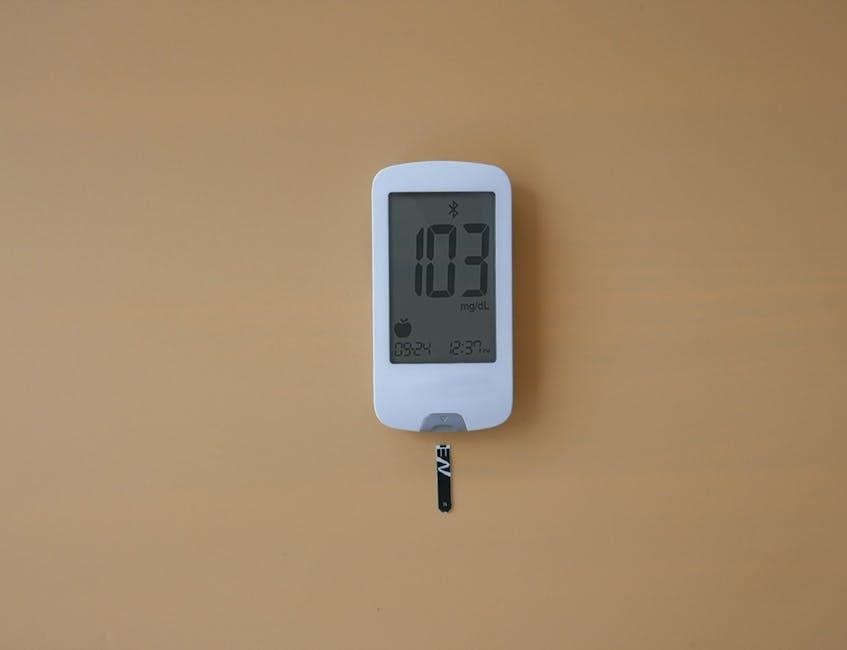
The One Touch Ultra Mini is a compact, user-friendly glucose monitoring system designed for convenient blood sugar testing․

This device facilitates one-to-one communication of health data, offering accurate results for informed diabetes management decisions․

Understanding its features, like memory recall, empowers users to track trends and maintain optimal health, ensuring a focused approach․

What is the One Touch Ultra Mini?

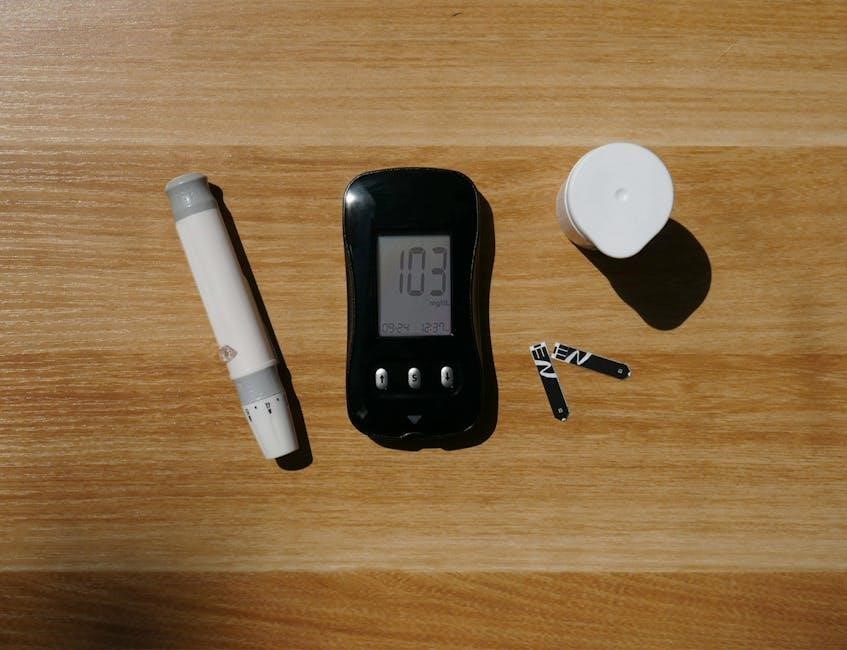
The One Touch Ultra Mini is a compact blood glucose monitoring system meticulously engineered for individuals managing diabetes․ It’s designed to provide quick, accurate, and reliable blood glucose readings, empowering users to proactively manage their health․ This meter facilitates a one-to-one connection with your body’s glucose levels, delivering personalized insights․

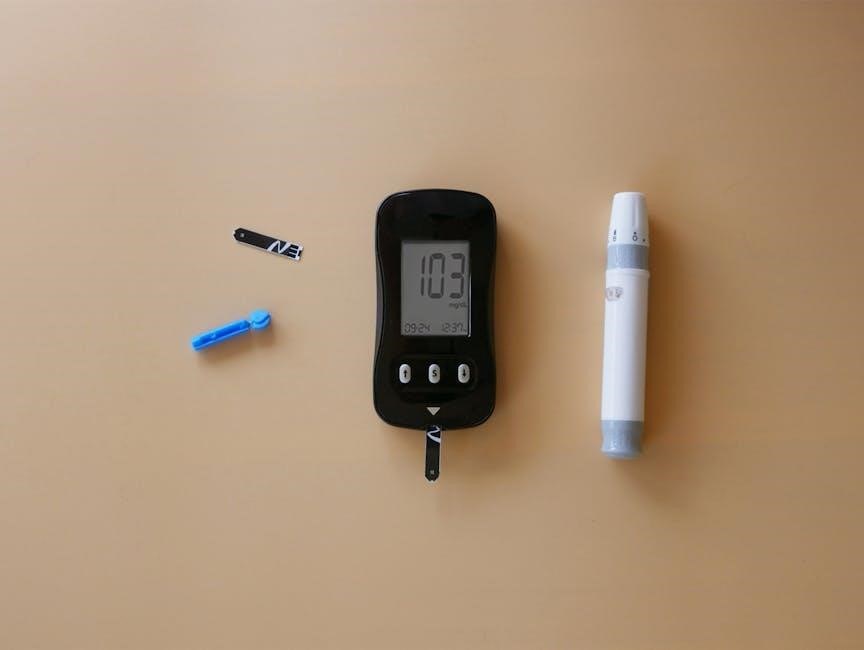
Unlike systems with complex interfaces, the Ultra Mini prioritizes simplicity․ It’s intended for self-testing, meaning individuals can perform tests independently at home or on the go․ The system comprises the meter itself, requiring a test strip for each measurement, and a lancing device to obtain a small blood sample․

The device’s core function revolves around quantifying glucose concentration in a tiny blood droplet, displaying the result on a clear, easy-to-read screen․ It’s a tool for understanding how diet, exercise, and medication impact blood sugar, aiding in informed healthcare decisions․

Key Features and Benefits

The One Touch Ultra Mini boasts several key features enhancing user experience and diabetes management․ Its compact size makes it incredibly portable, fitting easily into a bag or pocket for testing anywhere, anytime․ The meter delivers fast results – typically within seconds – minimizing wait times and streamlining the testing process․

A significant benefit is its simplicity; it’s designed for ease of use, even for those new to self-monitoring․ The system offers memory recall, allowing users to review past readings and identify trends over time․ This data tracking supports informed discussions with healthcare professionals․

Furthermore, the Ultra Mini utilizes minimal blood sample size, reducing discomfort during testing․ Its accuracy, combined with user-friendly features, promotes proactive health management and empowers individuals to take control of their diabetes․

Setting Up Your Meter

Initial setup involves inserting batteries and setting the date and time, crucial for accurate record-keeping and tracking health data effectively․

Inserting the Test Strip

Proper test strip insertion is vital for accurate readings with the One Touch Ultra Mini․ Ensure your hands are clean and dry before handling the strips․ Locate the test strip port, typically on the front or side of the meter․ Gently insert the gray end of the test strip into the port, following the arrow direction indicated on both the strip and the meter․

The meter should automatically recognize the strip, displaying a ready symbol․ If it doesn’t, verify the strip is fully inserted and not damaged․ Do not force the strip; a proper fit is essential․ Using expired or damaged strips will yield inaccurate results, potentially leading to incorrect health management decisions․ Always store test strips in a cool, dry place, and tightly reseal the container after each use to maintain their integrity․

Applying a Blood Sample

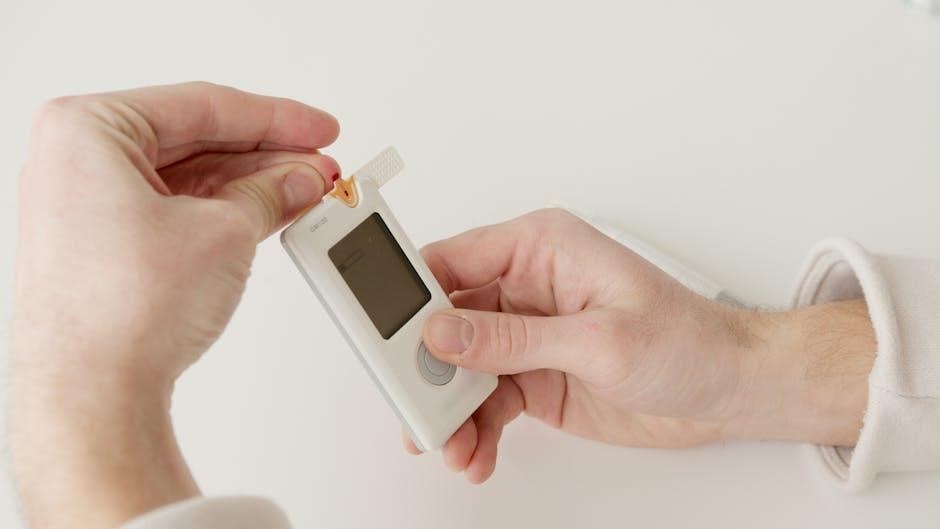
After successful test strip insertion, prepare for blood sample application․ Use a lancing device to gently prick the side of your fingertip – avoid the center for less discomfort․ Wipe away the first drop of blood with a clean, dry cloth․ This ensures an accurate reading by removing potential tissue fluid interference․

Gently touch the edge of the blood sample to the designated sample area on the test strip․ The strip will draw in the required amount of blood automatically; do not smear or apply excessive pressure․ Ensure sufficient blood is applied for a reliable result․ The meter will begin the countdown, displaying the testing progress․ Avoid touching the sample area to prevent contamination and ensure accurate glucose measurement․

Understanding the Meter Display

The One Touch Ultra Mini’s display provides crucial information at a glance․ The primary reading shows your current blood glucose level, typically in mg/dL․ A clear indicator confirms when the meter is actively testing, often displaying a countdown timer․ Error codes, if present, will appear alongside a specific symbol, referencing the troubleshooting guide within the user manual․

Battery level is also indicated, alerting you when replacement is needed․ Memory recall symbols show access to previously stored results, enabling trend analysis․ Understanding these elements facilitates informed diabetes management․ The display’s clarity ensures easy interpretation, even for those unfamiliar with glucose monitoring systems, promoting confident self-assessment․

Using the One Touch Ultra Mini

Performing a test involves inserting a strip, applying a blood sample, and reviewing the results․ Accurate readings depend on proper technique and meter maintenance․

Performing a Blood Glucose Test

To begin, ensure your hands are clean and dry․ Insert a test strip into the meter, aligning it correctly with the port – the meter will typically power on automatically․ Using the lancing device, obtain a small blood sample, usually from a fingertip․ Gently touch the edge of the test strip to the blood drop; the strip will draw the sample in․

The meter will then display your blood glucose reading within seconds․ It’s crucial to avoid applying too much or too little blood, as this can affect accuracy․ Remember that results reflect your blood glucose level at that specific moment․ Consistent testing times, such as before meals or at bedtime, provide valuable insights into your glucose patterns․ Always refer to your healthcare provider for interpretation of your results and personalized guidance․

Understanding Your Results

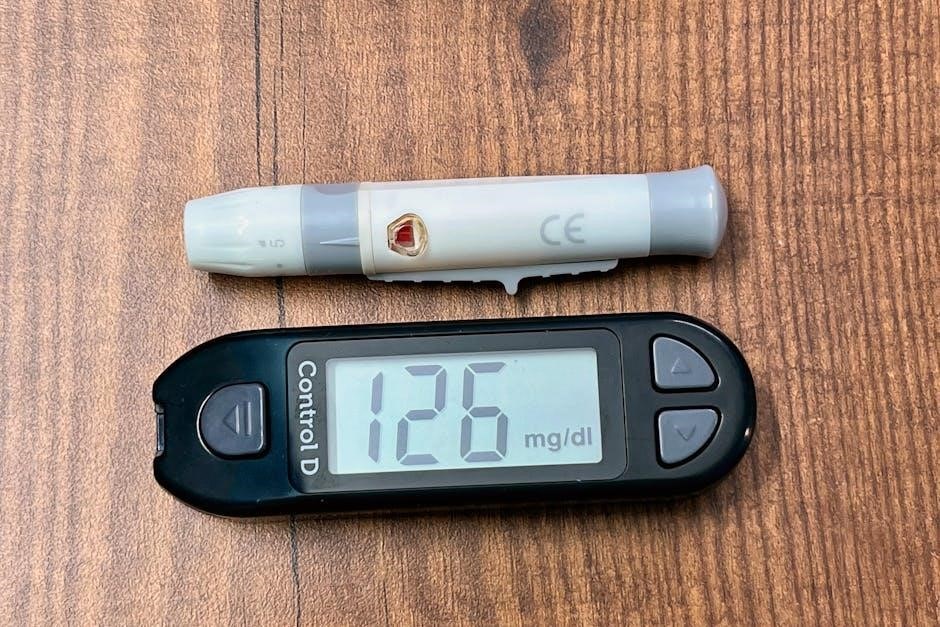
Your One Touch Ultra Mini displays blood glucose levels in milligrams per deciliter (mg/dL)․ Normal ranges generally fall between 70-100 mg/dL before meals and less than 140 mg/dL two hours after eating․ However, individual target ranges may vary based on your healthcare provider’s recommendations․

High readings, consistently above target, may indicate a need for dietary adjustments, increased physical activity, or medication review․ Conversely, low readings, below target, require prompt attention to prevent hypoglycemia․ Tracking results over time, utilizing the meter’s memory recall function, reveals patterns and helps identify factors influencing your glucose levels․ Remember, a one-to-one discussion with your doctor is vital for interpreting results and creating a personalized management plan․

Testing Tips for Accuracy

To ensure reliable results with your One Touch Ultra Mini, proper technique is crucial․ Wash your hands thoroughly with warm water before testing, and ensure they are completely dry․ Use the lancing device as directed, varying the puncture site with each test․ Avoid squeezing the finger excessively when applying the blood sample, as this can dilute the reading․

Confirm sufficient blood is applied to the test strip – not too little, nor overflowing․ Store test strips properly, as humidity and temperature affect accuracy․ Regularly perform control solution testing to verify meter and strip functionality․ Remember, a one-to-one conversation with your healthcare provider is essential for understanding your results and addressing any concerns regarding accuracy․

Meter Functions and Settings

The One Touch Ultra Mini offers features like memory recall, date/time settings, and adjustable parameters for personalized monitoring․

These settings enable a one-to-one tailored experience, enhancing user control and data management for optimal health insights․

Memory Recall – Reviewing Past Results

The One Touch Ultra Mini stores your blood glucose readings, allowing you to track your progress over time․ Accessing this historical data is crucial for understanding trends and making informed decisions about your diabetes management․ To review past results, typically you’ll use the meter’s up and down buttons to scroll through previously recorded values․

The meter displays the date and time each reading was taken, providing context for your results․ Some models may also calculate averages – such as 7, 14, or 30-day averages – offering a broader perspective on your glucose control․ This one-to-one data review empowers you to identify patterns and adjust your lifestyle or medication as needed, in consultation with your healthcare provider․ Regularly reviewing your results is a key component of effective diabetes self-management, ensuring you stay proactive about your health․

Setting the Date and Time

Accurate date and time settings are essential for correctly timestamping your blood glucose readings on the One Touch Ultra Mini․ This ensures accurate tracking and allows for meaningful analysis of your results over time․ Typically, you’ll access the date and time setting through the meter’s menu, often by pressing and holding the ‘Set’ or ‘Menu’ button․

Using the up and down arrow buttons, you can then navigate and adjust the year, month, day, hour, and minute․ Confirm each selection by pressing the ‘Set’ button again․ Proper timekeeping facilitates a one-to-one correlation between your readings and specific events, like meals or exercise․ Incorrect settings can lead to confusion when reviewing your data, so double-check your entries․ Maintaining accurate date and time settings is a simple yet vital step for effective diabetes management․

Adjusting Meter Settings

The One Touch Ultra Mini allows for customization of several settings to personalize your testing experience․ Access these options through the meter’s menu, usually initiated by pressing and holding the ‘Set’ or ‘Menu’ button․ Common adjustable settings include units of measurement (mg/dL or mmol/L), audio volume for beeps, and potentially, target range settings – though personalized target range settings are a more advanced feature․

Navigating with the up and down arrow buttons, select the desired setting and modify it using the same buttons․ Confirm your changes with the ‘Set’ button․ Remember that adjustments impact how your results are displayed and interpreted․ Ensuring settings align with your healthcare provider’s recommendations is crucial․ This one-to-one alignment ensures accurate self-monitoring and informed decision-making regarding your diabetes care plan․

Troubleshooting Common Issues

Error messages require careful attention; a meter not turning on may need new batteries․ Inaccurate readings could stem from improper technique or strip issues․

Error Messages and Their Meanings

The One Touch Ultra Mini displays various error codes to indicate potential problems during testing․ Understanding these messages is crucial for accurate results and proper meter function․ An “E-1” error typically signifies that the test strip hasn’t been inserted correctly, or is damaged; ensure proper insertion and use a fresh strip․

“E-2” often indicates insufficient blood sample – apply a larger drop to the test area․ “E-3” suggests a strip issue, possibly expired or improperly stored; check the expiration date and storage conditions․ If you encounter an “E-4” error, it usually means the meter’s internal components are experiencing a malfunction, potentially requiring service or replacement․

Other codes may relate to temperature extremes or internal system errors․ Refer to the complete list within your user manual for a comprehensive explanation of each code and recommended troubleshooting steps․ Ignoring error messages can lead to unreliable readings and compromised diabetes management․

Meter Not Turning On

If your One Touch Ultra Mini fails to power on, begin by verifying the batteries․ Ensure they are correctly installed, with proper polarity (+ and ⎻ alignment), and haven’t expired․ Replace the batteries with fresh ones, even if the existing ones appear to have some charge remaining․ A weak battery can prevent the meter from functioning correctly․

Next, check for any physical damage to the meter itself, particularly around the battery compartment․ If the issue persists after battery replacement, attempt a reset by removing and reinserting the batteries․ If the display remains blank, there might be an internal component failure․

Contact customer support for assistance, as attempting self-repair could void any warranty․ Do not use the meter if it consistently fails to turn on, as inaccurate readings could result․

Inaccurate Readings

If you suspect inaccurate readings from your One Touch Ultra Mini, several factors could be at play․ First, confirm the test strip hasn’t expired and is stored correctly – cool, dry place, away from direct sunlight․ Ensure your hands are clean and dry before handling the strip and applying the blood sample․

Insufficient blood volume is a common cause of errors; apply a sufficient drop to fully fill the test strip’s sample area․ Also, verify the meter and test strips are compatible; using mismatched components will yield unreliable results․ Regularly perform control solution testing to validate meter accuracy․

If inaccuracies persist, contact customer support; do not base treatment decisions on questionable readings․

Maintaining Your Meter

Regular cleaning with a damp cloth, proper battery replacement, and secure storage are vital for optimal performance and longevity of your One Touch Ultra Mini․

Cleaning and Disinfection

Maintaining hygiene is crucial for accurate results and preventing infection․ After each use, gently wipe the meter with a slightly damp cloth․ Avoid harsh chemicals or abrasive cleaners, as these can damage the device․

Isopropryl alcohol (70%) can be used on the exterior casing for disinfection, but ensure it doesn’t enter the test strip port․ Never immerse the meter in liquid․

Regularly inspect the test strip port for any debris or dried blood․ A cotton swab lightly moistened with water can help remove any obstructions․

Always allow the meter to dry completely before inserting a new test strip․ Proper cleaning extends the life of your One Touch Ultra Mini and ensures reliable performance, contributing to effective diabetes management․

Remember that consistent care is key to accurate readings․

Battery Replacement

The One Touch Ultra Mini typically uses standard AAA batteries․ A low battery indicator will appear on the meter display, signaling the need for replacement․ Do not mix old and new batteries, or different battery types․

To replace the batteries, locate the battery compartment (refer to your meter’s diagram)․ Gently slide off the battery cover and remove the used batteries․

Insert new AAA batteries, ensuring correct polarity (+ and -) as indicated inside the compartment․ Replace the battery cover securely․

After battery replacement, the meter may require resetting the date and time․ Always dispose of used batteries responsibly, following local regulations․ Consistent battery checks ensure uninterrupted glucose monitoring, vital for effective diabetes self-management․

Proper maintenance guarantees reliable operation․

Storage Guidelines

Proper storage is crucial for maintaining the accuracy and longevity of your One Touch Ultra Mini meter and test strips․ Store the meter in a clean, dry place, away from extreme temperatures and direct sunlight․

Test strips should be stored in their original vial, tightly closed, and also protected from heat, moisture, and light․ Avoid storing test strips in bathrooms or other humid environments․

Do not freeze the meter or test strips․ Ideal storage temperature is between 10°C and 30°C (50°F and 86°F)․

Keep the meter and strips out of reach of children․ Following these guidelines ensures reliable performance and accurate readings when you need them, supporting effective diabetes management․ Consistent adherence to these storage recommendations is essential․

Advanced Features

The One Touch Ultra Mini offers data port connectivity for seamless transfer, alongside control solution testing for accuracy verification and personalized settings․

Data Port and Connectivity

The One Touch Ultra Mini may feature data port capabilities, allowing for the transfer of stored blood glucose readings to a computer or other compatible device․ This connectivity facilitates detailed tracking and analysis of your glucose levels over time, aiding in comprehensive diabetes management․

Utilizing specialized software, often available separately, you can download the data from the meter, generating reports and graphs to visualize trends․ This information can be invaluable when discussing your progress with your healthcare provider, enabling more informed treatment decisions․

The specific type of data port – often USB – and the compatible software will be detailed in the full user manual․ Ensure you download the correct software from a trusted source to maintain data security and functionality․ This feature promotes a proactive approach to health monitoring and empowers you to take control of your diabetes care․

Control Solution Testing

Control solution testing is a crucial step in ensuring the accuracy of your One Touch Ultra Mini meter and test strips․ This process verifies that both the meter and strips are functioning correctly and delivering reliable results․ It doesn’t replace regular calibration, but confirms system performance․

You’ll need to purchase control solution specifically designed for your meter․ Follow the instructions in your user manual carefully to apply the control solution to a test strip and insert it into the meter․ The meter will display a result, which you’ll compare to the range printed on the control solution vial․

If the result falls within the specified range, your system is working accurately․ If not, troubleshoot according to the manual or contact customer support․ Regular control solution testing, especially after opening a new vial of test strips, provides peace of mind and confidence in your readings․

Personalized Target Range Settings

The One Touch Ultra Mini allows for personalized target range settings, a valuable feature for tailoring your diabetes management․ Your healthcare provider will determine your ideal blood glucose ranges – before meals, after meals, and at bedtime – based on your individual needs and treatment plan․

While the specific steps may vary slightly depending on the meter version, generally, you’ll access the settings menu through the meter’s buttons․ Navigate to the target range options and input the values recommended by your doctor․ This customization ensures the meter can flag readings outside your personalized goals․

Setting these ranges helps you quickly identify when your blood glucose levels are too high or too low, enabling prompt action and better control․ Remember to consult your healthcare provider for appropriate target ranges․

Safety Information

Precautions and warnings are crucial; use only specified test strips․ Proper disposal of lancets and test strips prevents infection․ Seek medical advice for interpretations․

Precautions and Warnings

Important safety guidelines must be followed when using the One Touch Ultra Mini․ This device is intended for self-testing only and should not replace professional medical care․ Always consult your healthcare provider for diagnosis and treatment of diabetes․

Never share your lancet or test strips with others, as this can pose a risk of bloodborne pathogen transmission․ Ensure proper hygiene by washing your hands thoroughly with soap and water before and after testing․ Do not use the meter if it is damaged or malfunctioning․

Keep the meter and accessories out of reach of children․ Store test strips in a cool, dry place and do not use them past their expiration date․ Be aware of potential interference from certain medications or medical conditions that may affect blood glucose readings․ Always interpret results in conjunction with your healthcare provider’s guidance․

Proper Disposal of Test Strips and Lancets

Safe disposal of used test strips and lancets is crucial to prevent accidental needle sticks and potential biohazard exposure․ Used test strips and lancets should be treated as potentially infectious waste․ Do not discard them in regular household trash․

Utilize a sharps container – a puncture-resistant container specifically designed for medical waste – for safe lancet disposal․ These containers are available at pharmacies and medical supply stores․ Once the sharps container is full, follow your local regulations for proper disposal, often involving designated collection sites․

Dispose of used test strips in a sealed plastic bag before discarding them in the trash․ Always check with your local waste management authorities for specific guidelines regarding medical waste disposal in your area, ensuring responsible environmental practices․

Medical Disclaimer

This One Touch Ultra Mini user manual provides information for operating the device and understanding results, but it is not a substitute for professional medical advice․ Always consult with a qualified healthcare provider for diagnosis, treatment, and management of your diabetes․

Self-monitoring of blood glucose is a tool to aid in diabetes management, but treatment decisions should always be made in consultation with your doctor․ Do not adjust your medication or treatment plan based solely on readings from this meter․

The manufacturer is not responsible for any health consequences resulting from decisions made based on information in this manual․ Individual results may vary, and it’s essential to follow your healthcare provider’s specific instructions․

Byjeff

auto ranging multimeter vs manual

Digital multimeters (DMMs) come in two primary types: auto-ranging and manual-ranging. Auto-ranging offers convenience, while manual-ranging provides control and precision for experienced users.

What is a Multimeter?

A multimeter is an essential electronic testing tool, capable of measuring multiple electrical characteristics. Primarily, it measures voltage, current, and resistance, but many models also include functions like continuity testing, diode checks, and capacitance measurement. These versatile devices are indispensable for electricians, electronics enthusiasts, and anyone involved in circuit design or repair.

Essentially, a multimeter acts as a central hub for diagnosing electrical issues. It allows users to understand how electricity flows within a circuit, identify potential problems, and verify the functionality of components. Whether troubleshooting a household appliance or working on complex electronic systems, a multimeter provides critical insights into electrical performance. Choosing between auto-ranging and manual models depends on user expertise and application needs.

The Core Difference: Range Selection

The fundamental distinction between auto-ranging and manual-ranging multimeters lies in how the measurement range is determined. Manual-ranging multimeters require the user to select the appropriate range for the expected value – for example, 200mV, 2V, or 200V for voltage measurements. This demands prior knowledge of the circuit and potential readings.

Auto-ranging multimeters, conversely, automatically detect the correct range. They analyze the input signal and adjust accordingly, eliminating the need for manual selection. This feature offers convenience and protects against overload damage from incorrect range choices. While accuracy remains consistent once the range is set (or auto-selected), the speed of stabilization differs between the two types.

Auto-Ranging Multimeters: Convenience and Ease

Auto-ranging multimeters simplify testing with automatic range detection, making them user-friendly for beginners and ideal for quick field measurements and instant identification.

How Auto-Ranging Works

Auto-ranging multimeters eliminate the need for manual selection of the measurement range. Instead of the user choosing settings like 200mV, 2V, or 20V, the multimeter intelligently determines the appropriate range for the input signal.

This is achieved through internal circuitry that continuously monitors the input voltage or current. When the signal exceeds the current range’s capacity, the multimeter automatically switches to a higher range. This process happens seamlessly and rapidly, ensuring accurate readings without user intervention.

Essentially, the auto-ranging function selects the optimal range, mirroring what a skilled user would do manually, but with speed and convenience. The accuracy remains consistent, as it defaults to the same range a manual selection would provide, like 10mA for an 8mA input.

Benefits of Auto-Ranging Multimeters

Auto-ranging multimeters offer significant advantages, particularly for beginners and those needing quick measurements. Their primary benefit is user-friendliness; no range selection is required, simplifying the testing process. This also provides protection against overload damage, as the meter automatically adjusts to prevent exceeding its limits.

They are ideal for field tests and situations where the input signal is unknown or fluctuating. The automatic detection of the correct range saves time and reduces the potential for errors. Visually, they often present a cleaner, more modern appearance compared to manual-ranging models.

While a slight delay exists during range stabilization, the convenience and ease of use generally outweigh this minor drawback.

Drawbacks of Auto-Ranging Multimeters

Despite their convenience, auto-ranging multimeters aren’t without limitations. A key drawback is a slight delay in stabilizing readings as the meter automatically adjusts its range. While often negligible, this can be noticeable when measuring rapidly changing signals.

Although accuracy is comparable when stabilized, some users prefer the direct control offered by manual ranging. The automatic range selection process can sometimes feel less precise, even if the final result is the same.

Furthermore, while generally durable, some argue that auto-ranging mechanisms add complexity, potentially impacting long-term reliability compared to simpler, manual designs.

Auto-Ranging: Speed and Stabilization

Auto-ranging multimeters prioritize user-friendliness, but their speed isn’t always instantaneous. While they quickly identify the correct range for a measurement, a fraction of a second is required for the reading to stabilize after each range change. This stabilization time is a trade-off for the convenience of automatic selection.

The automatic process ensures accurate readings, but it isn’t as immediate as a manually selected, pre-defined range. For static measurements, this delay is often unnoticeable. However, when monitoring fluctuating signals, the slight pause could impact capturing precise peak or transient values.

Ultimately, stabilization is key to accuracy.

Manual-Ranging Multimeters: Control and Precision

Manual-ranging multimeters empower users with direct control over the measurement range, resulting in faster response times and potentially higher precision when used correctly.

How Manual-Ranging Works

Manual-ranging multimeters require the operator to actively select the appropriate measurement range before taking a reading. This is achieved through a rotary dial featuring various scales – for example, 200mV, 2V, 20V, and 200V for voltage measurements.

The user must estimate the expected value of the quantity being measured and choose a range that is higher than that estimate, but not excessively high. If the measured value exceeds the selected range, the multimeter will typically display an overload indication.

Consequently, the user must then increase the range and repeat the measurement. This process demands a basic understanding of the circuit or component being tested and the expected values. Selecting the correct range is crucial for obtaining accurate and meaningful results.

Advantages of Manual-Ranging Multimeters

Manual-ranging multimeters offer distinct advantages, primarily centered around control and precision. They generally provide a faster response time compared to auto-ranging models, as there’s no delay associated with the meter automatically selecting a range. This speed is beneficial in dynamic circuits.

Furthermore, experienced users often appreciate the greater control over the measurement process. Manual selection allows for focused readings and can enhance accuracy when dealing with specific applications.

Importantly, manual meters are typically more affordable and demonstrate increased durability, making them a robust choice for demanding environments. They are often favored by professionals who prioritize control and longevity.

Disadvantages of Manual-Ranging Multimeters

Manual-ranging multimeters, while offering precision, present certain drawbacks. The primary disadvantage is the requirement for the user to possess a good understanding of the circuit being tested to select the appropriate range. Incorrect range selection can lead to inaccurate readings or even damage to the meter from overload.

This manual process is inherently slower than auto-ranging, making them less ideal for quick field tests or situations requiring rapid measurements. The dials, often crowded with numbers, can appear less intuitive to beginners.

Ultimately, the added complexity and potential for user error make manual-ranging meters less user-friendly compared to their auto-ranging counterparts.

Manual-Ranging: Accuracy and Control

Manual-ranging multimeters excel in providing users with a high degree of control over the measurement process. By manually selecting the range, technicians can optimize for accuracy, particularly when dealing with signals of known approximate values. The accuracy remains consistent, as the auto-range would select the same range anyway.

This direct control also translates to faster response times, as the meter doesn’t need to spend a fraction of a second stabilizing after automatically adjusting the range. Experienced users often prefer this responsiveness.

Despite the learning curve, manual ranging offers a level of precision and immediate feedback that auto-ranging sometimes lacks.

Cost Comparison: Auto-Ranging vs. Manual

Generally, manual-ranging multimeters are more affordable than auto-ranging models. However, some UNI-T manual models are currently priced higher than their auto-ranging counterparts.

Typical Price Ranges for Auto-Ranging Models

As of March 15, 2026, auto-ranging digital multimeters exhibit a varied price spectrum, catering to diverse budgets and feature requirements. Entry-level options, such as the UNI-T UT136B, are typically available for around $19.53, making them accessible for beginners and hobbyists. A slightly more advanced model, the UNI-T UT136A, can be found for approximately $18.90, offering similar functionality at a competitive price point.

Stepping up in price, the Vichy VC97 generally retails for around $25.85, while the Vichy VC99, with potentially enhanced features, is priced at approximately $32.98. At the higher end of the auto-ranging spectrum, the YH-113 model commands a price of around $42.64, suggesting a more robust build quality or additional capabilities.

These prices are subject to change based on retailer and promotions.

Typical Price Ranges for Manual-Ranging Models

Determining the price range for manual-ranging multimeters proves challenging as specific models weren’t directly detailed in the provided information. However, the text indicates that UNI-T offers manual-range multimeters, and these are often more expensive than their auto-ranging counterparts. This suggests a potential starting price slightly above the $18.90 ー $19.53 range seen in the UT136 series.

Generally, manual-ranging models, due to their construction and focus on precision, can range from approximately $20 to $60+, depending on brand, features, and build quality. More professional-grade manual multimeters, while not explicitly mentioned, could exceed this upper limit.

The affordability of manual meters is a noted advantage, but the provided data doesn’t offer precise pricing for comparison.

Durability and Build Quality

Manual meters are generally considered more durable than auto-ranging types. This robustness, coupled with simpler internal components, often translates to a longer lifespan.

Auto-Ranging Multimeter Durability

Auto-ranging multimeters, while convenient, often prioritize features over extreme ruggedness. Their internal circuitry, designed for automatic range selection, can be more complex than manual counterparts. This complexity can introduce more potential points of failure, potentially impacting long-term durability.

However, modern auto-ranging models from reputable brands are improving in build quality. Many incorporate protective features like overload protection, safeguarding against damage from incorrect range settings. While not typically as robust as basic manual meters, they are generally sufficient for most hobbyist and professional applications where careful handling is practiced. The “cleaner” and “smarter” aesthetic sometimes comes at the cost of ultimate toughness.

Manual-Ranging Multimeter Durability

Manual-ranging multimeters generally boast superior durability due to their simpler internal design. Fewer components mean fewer potential failure points, contributing to a longer lifespan, especially in demanding environments. Their construction often prioritizes robustness, with sturdy dials and housings designed to withstand regular use and occasional drops.

Historically, manual meters have been favored for their resilience. They often lack the delicate circuitry found in auto-ranging models, making them less susceptible to damage from voltage spikes or rough handling. While modern auto-ranging units are improving, manual meters frequently remain the more affordable and durable option, particularly for those needing a reliable tool in harsh conditions. Their “old-school” design often equates to lasting quality.

Popular Models: A Brief Overview (as of 03/15/2026)

Popular choices include the UNI-T UT136B/A, Vichy VC97/VC99, and the YH-113. UNI-T offers both auto-ranging and manual options, catering to diverse user preferences.

UNI-T UT136B & UT136A

The UNI-T UT136B and UT136A are highly regarded auto-ranging digital multimeters, frequently recommended for their balance of features and affordability. Currently priced around $19.53 and $18.90 respectively (as of March 15, 2026), they represent excellent value for hobbyists and professionals alike.

Both models offer automatic range selection, simplifying measurements and reducing the chance of overload damage. They are user-friendly, making them ideal for beginners or quick field tests. While the UT136B appears to be slightly more feature-rich, the core functionality remains consistent between the two.

Users appreciate their compact size and clear displays. These multimeters are capable of measuring voltage, current, resistance, and continuity, covering a wide range of electrical testing needs. They are a popular choice for those seeking a reliable auto-ranging DMM without the expense of a Fluke instrument.

Vichy VC97 & VC99

The Vichy VC97 and VC99 are auto-ranging multimeters positioned as alternatives within the budget-friendly DMM market. As of March 15, 2026, the VC97 is available for approximately $25.85, while the VC99 is priced around $32.98. These models share the convenience of automatic range selection, simplifying the measurement process for users of all skill levels.

Like the UNI-T options, they offer protection against overload damage due to incorrect range settings. While potentially offering a slightly different feature set or build quality compared to UNI-T, they remain popular choices for those seeking a cost-effective auto-ranging solution.

Users should compare specifications carefully to determine which model best suits their specific needs. Both are capable of performing standard electrical measurements, making them versatile tools for various applications.

YH-113

The YH-113 represents a more premium option within the discussed auto-ranging multimeters, currently priced around $42.64 as of March 15, 2026. Despite its higher cost compared to the UNI-T UT136 series and the Vichy models, it remains significantly more affordable than professional-grade instruments like Fluke. The YH-113 boasts auto-ranging functionality, providing ease of use and protection against overload damage.

Its appeal lies in potentially offering enhanced build quality or additional features justifying the price difference. While specific details require further investigation, it’s positioned as a step up for users seeking a more robust and reliable auto-ranging DMM without exceeding a strict budget.

Consider its specifications carefully to assess if the added cost aligns with your measurement requirements.

Applications: When to Choose Which Type

Auto-ranging multimeters excel in quick field tests and for beginners, while manual-ranging suits those needing precise control and faster response times.

Best Uses for Auto-Ranging Multimeters

Auto-ranging multimeters are exceptionally well-suited for situations demanding speed and simplicity. Their automatic range selection makes them ideal for technicians performing numerous quick checks across diverse circuits. This feature is particularly beneficial for those less familiar with specific voltage or current levels, eliminating the risk of overload damage from incorrect range settings.

They shine in general-purpose troubleshooting, home electrical repairs, and educational settings where ease of use is paramount. The instant range identification streamlines the measurement process, allowing users to focus on the circuit itself rather than manual adjustments. Furthermore, their user-friendly nature makes them a great choice for hobbyists and those new to electronics.

Essentially, if convenience and a broad range of applications are prioritized, an auto-ranging multimeter is an excellent selection.

Best Uses for Manual-Ranging Multimeters

Manual-ranging multimeters excel in scenarios where precision and control are critical. Experienced technicians and engineers often prefer them for detailed circuit analysis and troubleshooting, as the ability to select the specific range allows for finer adjustments and potentially higher accuracy. The faster response time, compared to auto-ranging models, is advantageous when observing rapidly changing signals.

They are particularly useful when working with sensitive circuits or when a known approximate value of the measurement is already available. This pre-selection minimizes settling time and ensures the most accurate reading. Manual-ranging meters are also favored in environments where durability and a classic, robust build are valued, often proving more resilient in demanding conditions.

Ultimately, for those prioritizing control and accuracy, a manual-ranging multimeter remains a powerful tool.

Making the Right Choice

Selecting between auto-ranging and manual-ranging multimeters depends heavily on your needs and experience level. Auto-ranging models, like the UNI-T UT136B or Vichy VC97, are ideal for beginners, quick field tests, and general-purpose use, offering convenience and overload protection. They provide a cleaner, more modern aesthetic.

However, if precision, control, and speed are paramount, a manual-ranging multimeter is the better choice. While they may appear “old-school,” they offer superior accuracy and faster response times. Considering your budget is also crucial; manual models are often more affordable and durable.

Ultimately, both types are valuable tools, and the “right” choice is the one that best aligns with your specific applications and skill set.

Byjeff

ohio commercial driver license manual

Ohio Commercial Driver License (CDL) Manual: A Comprehensive Guide

Today’s date is 02/17/2026 at 17:58:30. This manual serves as your essential guide, unlocking opportunities within the Ohio CDL system and beyond!

Welcome to the official Ohio Commercial Driver License (CDL) Manual! This comprehensive resource is meticulously designed to equip aspiring and current commercial drivers with the knowledge and skills necessary to operate commercial motor vehicles (CMVs) safely and responsibly throughout the state of Ohio.

Consider this manual your primary study companion, detailing everything from fundamental driving principles to complex regulations governing commercial vehicle operation. It’s structured to guide you through the process of obtaining your CDL, understanding various endorsements, and maintaining compliance with Ohio’s stringent traffic laws.

Whether you’re a first-time applicant or seeking to upgrade your existing license, this manual provides a clear, concise, and up-to-date overview of all requirements. It’s more than just a guide; it’s your passport to a rewarding career on Ohio’s roadways. Let’s get started on your journey!

Why Use the Official Ohio CDL Manual?

Utilizing the official Ohio CDL Manual is paramount for success. This isn’t just a suggestion; it’s a necessity for anyone pursuing a Commercial Driver License in Ohio. The manual contains the exact information assessed on all CDL knowledge tests, ensuring you’re prepared for every question.

Relying on unofficial sources can lead to outdated or inaccurate information, potentially causing you to fail your exams or, more critically, operate a CMV unsafely. The Ohio BMV continuously updates this manual to reflect current laws and best practices.

Furthermore, the manual isn’t solely for passing tests. It’s a vital tool for understanding your responsibilities as a commercial driver, promoting safe driving habits, and contributing to highway safety for everyone. It’s your foundation for a successful and compliant career!

Understanding CDL Classifications in Ohio

Ohio categorizes CDLs into Classes A, B, and C, each dictating the type of commercial vehicle you’re authorized to operate based on weight and configuration.

Class A CDL Requirements

Securing a Class A CDL in Ohio grants you the privilege to operate combination vehicles with a Gross Vehicle Weight Rating (GVWR) exceeding 26,000 pounds. This includes tractor-trailers, and any combination of vehicles totaling over the specified weight. Applicants must be at least 21 years old to operate commercial vehicles interstate.

The process involves passing a series of rigorous tests, beginning with the general knowledge exam. Subsequently, you’ll need to demonstrate proficiency in combination vehicles, and potentially other endorsements depending on the cargo you intend to haul. A thorough understanding of pre-trip inspections, basic control skills, and on-road driving is crucial for success.

Furthermore, applicants must present a valid Ohio driver’s license, a Medical Examiner’s Certificate (DOT physical), and proof of U.S. citizenship or legal residency. Background checks and adherence to specific medical standards are also mandatory components of the application process. Proper training from a certified CDL school is highly recommended.

Class B CDL Requirements

Obtaining a Class B CDL in Ohio authorizes operation of single vehicles with a Gross Vehicle Weight Rating (GVWR) exceeding 26,000 pounds, as well as any vehicle towing another not exceeding 10,000 pounds. This commonly includes straight trucks, buses, and large delivery vehicles. Applicants must be at least 21 years old for interstate commerce;

The qualification process mirrors that of a Class A CDL, beginning with the general knowledge test. You will then need to pass the Class B road test, demonstrating competence in handling larger vehicles. Additional endorsements may be required based on the type of cargo or passengers transported.

Essential documentation includes a valid Ohio driver’s license, a current Medical Examiner’s Certificate, and verification of legal residency or citizenship. A comprehensive understanding of vehicle inspection procedures, safe driving techniques, and Ohio traffic laws is paramount. Consider enrolling in a CDL training program for optimal preparation.

Class C CDL Requirements

A Class C CDL in Ohio is required for operating vehicles not meeting the definitions of Class A or B, but still designed to transport 16 or more passengers (including the driver), or transporting hazardous materials requiring placarding. This often includes smaller buses, vans, and vehicles carrying specific hazardous cargo.

Applicants must pass the general knowledge test, and then the specific Class C knowledge test. A skills test is also required, focusing on safe operation of the vehicle type you intend to drive. Age requirements vary; 18 for intrastate and 21 for interstate commerce.

Necessary documentation mirrors other CDL classes: a valid Ohio driver’s license, a Medical Examiner’s Certificate, and proof of legal residency. Obtaining relevant endorsements, like passenger (P) or hazardous materials (Hazmat), is crucial depending on your intended operation. Thorough preparation is key to success.

Preparing for the Ohio CDL Exams

Success demands dedication! Diligently study the Ohio CDL manual, practice with sample tests, and understand all regulations for optimal exam performance.

General Knowledge Test Preparation

Mastering the fundamentals is crucial. The General Knowledge test assesses your understanding of essential commercial driving principles, covering topics like vehicle inspection, safe driving practices, and transportation security. Thoroughly review the corresponding section within the Ohio CDL manual, paying close attention to regulations and best practices.

Utilize practice tests extensively; these simulations mirror the actual exam format and help identify areas needing improvement. Focus on understanding why answers are correct, not just memorizing them. Pay particular attention to sections on air brakes, cargo securement, and hours of service. Familiarize yourself with all traffic signs and their meanings, as they are heavily featured on the test. Remember, a solid grasp of general knowledge forms the foundation for all other CDL endorsements and tests. Consistent study and practice are key to achieving a passing score and progressing towards your commercial driver’s license.

Combination Vehicles Test Preparation

Successfully navigating combination vehicles demands specialized knowledge. This test focuses on the unique challenges of operating tractor-trailers and other coupled configurations, including coupling/uncoupling procedures, off-tracking, and proper braking techniques. The Ohio CDL manual’s dedicated section is your primary resource; study it meticulously.

Practice tests specifically designed for combination vehicles are invaluable. Concentrate on understanding how the vehicle reacts to different maneuvers and road conditions. Pay close attention to concepts like slack, braking modulation, and the effects of load shifting. Master the pre-trip inspection process for combination vehicles, identifying critical components and potential hazards. Visualize the physics involved in turning and stopping with a longer vehicle. Remember, proficiency in handling combination vehicles is essential for safe and efficient commercial transportation. Consistent review and simulated practice will build your confidence and prepare you for success.

Hazardous Materials Endorsement Preparation

Securing a Hazardous Materials (Hazmat) endorsement requires diligent study and a thorough understanding of regulations. The Ohio CDL manual’s Hazmat section details classification systems, proper packaging, placarding requirements, and emergency response procedures. This isn’t just about memorization; it’s about recognizing the potential dangers and knowing how to mitigate risks.

Focus on understanding the nine hazard classes and their associated risks. Practice identifying proper shipping names and UN identification numbers. Familiarize yourself with emergency response information (ERI) and the importance of the Emergency Response Guidebook (ERG). Expect detailed questions on security awareness and preventing intentional misuse of hazardous materials. Utilize practice tests specifically geared towards the Hazmat endorsement. Remember, transporting hazardous materials carries significant responsibility; comprehensive preparation is paramount for ensuring public safety and compliance with all applicable regulations.

Ohio CDL Application Process

Let’s get started! This manual guides you through eligibility, documentation, and fees for obtaining your Ohio Commercial Driver License, step-by-step.

Eligibility Requirements for Ohio CDL

To qualify for an Ohio Commercial Driver License (CDL), several key requirements must be met. Applicants must be at least 18 years old to drive within Ohio, and 21 years old to transport hazardous materials across state lines. A valid Ohio driver’s license is a prerequisite, and you must possess it for at least six months prior to applying for a CDL.

Furthermore, applicants must demonstrate proof of U;S. citizenship or lawful permanent residency. A thorough background check will be conducted, scrutinizing both criminal and driving records. Disqualifying offenses include, but aren’t limited to, major traffic violations and certain criminal convictions.

You’ll also need to provide proof of Social Security number and successfully pass both a Department of Transportation (DOT) physical exam performed by a certified medical examiner, and all required CDL knowledge and skills tests. Meeting these criteria ensures you’re prepared for the responsibilities of commercial driving.

Required Documentation for Application

Applying for an Ohio CDL necessitates gathering several crucial documents. First, you’ll need your current, valid Ohio driver’s license. Proof of U.S. citizenship or lawful permanent residency is essential – a birth certificate or permanent resident card will suffice. Your Social Security card is also mandatory for verification purposes.

A current Medical Examiner’s Certificate (DOT physical card) is a non-negotiable requirement, demonstrating your physical fitness to operate commercial vehicles. You must also present your Commercial Learner Permit (CLP), if applicable. Furthermore, be prepared to provide documentation verifying your employment history, if requested.

Finally, ensure you have any necessary endorsements or waivers, such as a Hazardous Materials endorsement application, if pursuing that qualification. Carefully review the Ohio BMV’s checklist to guarantee you have all required paperwork before visiting a Driver Examination Station, streamlining the application process.

CDL Application Fees and Payment

Ohio CDL application fees vary depending on the license class and any endorsements sought. The base fee for a Class A, B, or C CDL is currently $45. Adding endorsements incurs additional costs; for example, the Hazardous Materials (Hazmat) endorsement requires a separate federal background check fee of $86.25, in addition to the state endorsement fee.

Expect to pay around $35 for each additional endorsement, like Tanker or Passenger. Re-testing fees apply if you fail any portion of the CDL exam, typically around $30 per test. These fees are subject to change, so it’s crucial to verify the latest amounts on the Ohio Bureau of Motor Vehicles (BMV) website;

Acceptable payment methods generally include cash, check, money order, and major credit/debit cards. Some Driver Examination Stations may have limited payment options, so confirming accepted methods beforehand is advisable.

Driving Regulations and Safe Practices in Ohio

Ohio prioritizes commercial driver safety. Understanding traffic laws, hours of service, and diligent pre-trip inspections are vital for responsible operation.

Ohio Traffic Laws for Commercial Drivers

Ohio’s traffic laws demand strict adherence from all commercial drivers. These regulations extend beyond standard vehicle codes, encompassing specific rules for large trucks and buses. Maintaining safe following distances is paramount, often requiring greater space than passenger vehicles due to increased stopping distances. Speed limits are strictly enforced, with reduced limits often posted for commercial vehicles in specific zones.

Furthermore, Ohio law prohibits the use of hand-held communication devices while operating a commercial vehicle. Drivers must utilize hands-free technology for any necessary communication. Aggressive driving behaviors, such as tailgating or unsafe lane changes, carry significant penalties. It’s crucial to be aware of weight and height restrictions on bridges and roadways, avoiding potential damage and legal repercussions. Regular review of the Ohio Traffic Laws is essential for all CDL holders to ensure compliance and promote highway safety.

Hours of Service Regulations

Ohio, mirroring federal guidelines, enforces strict Hours of Service (HOS) regulations for commercial drivers. These rules are designed to prevent fatigue-related accidents and ensure driver well-being. Drivers are limited in the number of consecutive hours they can operate a commercial vehicle, typically capped at 11 hours after 10 hours off-duty. A 30-minute break is mandated during the first eight hours of a work shift.

Weekly limits also apply, restricting total driving time. Accurate record-keeping of driving and on-duty time is crucial, often utilizing Electronic Logging Devices (ELDs). Violations of HOS regulations can result in significant fines and potential suspension of CDL privileges. Understanding and adhering to these regulations is not merely a legal obligation, but a vital component of responsible commercial driving, prioritizing safety for both the driver and the public.

Pre-Trip Inspection Procedures

A thorough pre-trip inspection is a non-negotiable aspect of safe commercial vehicle operation in Ohio. Drivers are legally required to systematically inspect their vehicle before each trip, ensuring all critical components are functioning correctly. This includes checking brakes, tires, lights, steering mechanisms, and cargo securement.

The inspection should follow a standardized checklist, documenting any defects discovered. Any identified issues must be reported and rectified before the vehicle is operated. Ohio’s regulations emphasize a detailed examination of the engine compartment, checking fluid levels and for any leaks. Proper documentation of the inspection is vital, serving as proof of compliance. A diligent pre-trip inspection significantly reduces the risk of mechanical failures and accidents, safeguarding both the driver and other road users.

Specific Endorsements and Restrictions

Ohio CDL holders may need specific endorsements, like Hazmat or Tanker, depending on the cargo. Restrictions limit certain operational capabilities, ensuring safety.

Hazardous Materials (Hazmat) Endorsement Details

Securing a Hazardous Materials (Hazmat) endorsement in Ohio demands rigorous adherence to federal regulations and a thorough understanding of material handling protocols. This isn’t merely an addition to your CDL; it’s a demonstration of your commitment to safety and security when transporting dangerous goods. The process begins with a Transportation Security Administration (TSA) background check, ensuring you pose no security risk.

Following a successful background check, you must pass a specialized written knowledge test focusing on hazard classes, proper labeling, placarding requirements, and emergency response procedures. Understanding the Emergency Response Guidebook (ERG) is crucial. Furthermore, drivers must demonstrate proficiency in loading, unloading, and securing hazardous materials to prevent spills or leaks. Regular refresher training is often required to maintain competency and stay updated on evolving regulations. Failure to comply can result in severe penalties, including fines and license suspension.

Tanker Endorsement Information

The Tanker endorsement in Ohio is required for anyone operating a commercial vehicle designed to transport liquids or gases in a permanently mounted tank or portable tank with a capacity of 1,000 gallons or more. Obtaining this endorsement necessitates passing a specific knowledge test focusing on the unique handling characteristics of tank vehicles. This includes understanding surge control, baffle effects, and the potential for rollovers due to liquid movement.

Drivers must demonstrate knowledge of proper loading procedures, securement techniques, and emergency response protocols specific to tank vehicles. Understanding the impact of braking and steering on a partially filled tank is critical. The test also covers regulations regarding the transportation of different types of liquids and gases. Regular vehicle inspections are paramount to ensure the integrity of the tank and associated equipment. Safe operation requires heightened awareness and specialized skills beyond those needed for standard CDL operation.

Passenger (P) Endorsement Requirements

The Passenger (P) endorsement in Ohio is mandatory for operating any commercial vehicle designed to transport 16 or more passengers, including the driver. Securing this endorsement demands successful completion of a specialized knowledge test. This test assesses understanding of passenger safety, vehicle systems, and emergency procedures unique to transporting groups.

Drivers must demonstrate proficiency in pre-trip inspection protocols focused on passenger safety features like emergency exits, seatbelts, and lighting. Knowledge of federal and state regulations governing passenger transportation is crucial. Topics include proper passenger control, managing distractions, and responding to medical emergencies. Maintaining a safe and orderly environment is paramount. The test also covers procedures for assisting passengers with disabilities. A clean driving record and adherence to strict safety standards are essential for obtaining and maintaining this endorsement.

Byjeff

southern motion recliner manual

Understanding Your Southern Motion Recliner

Southern Motion recliners offer comfort and style, but understanding the operation manual is crucial for optimal use and longevity․ Accessing the manual provides detailed instructions,
safety guidelines, and troubleshooting tips for your specific model, ensuring a satisfying experience with your new furniture piece․

Southern Motion has established itself as a prominent manufacturer of motion furniture, specializing in comfortable and stylish recliners․ Understanding your recliner begins with familiarizing yourself with its features and operational nuances․ The Southern Motion recliner manual serves as your primary resource, offering a comprehensive guide to maximizing your seating experience․

These manuals detail everything from basic operation – how to recline, lift the footrest, and adjust headrests – to more advanced features like power controls and USB charging ports․ They also emphasize safety precautions, weight capacity limits, and proper usage guidelines․ Locating your specific model’s manual is essential, as features and instructions can vary․ Many manuals are available digitally on the Southern Motion website, offering convenient access for quick reference and troubleshooting․ Properly utilizing the manual ensures years of comfortable and reliable use․

Key Features and Benefits

Southern Motion recliners boast a range of features designed for ultimate relaxation and convenience․ The manual highlights these benefits, including power reclining options, USB charging ports, and adjustable headrests and lumbar support․ Understanding how to utilize these features, as detailed in the manual, enhances the overall experience․

Benefits extend beyond comfort; the manual also explains features promoting longevity and ease of maintenance․ Proper operation, guided by the manual, minimizes wear and tear․ Many models feature durable construction and high-quality materials․ The manual clarifies warranty information, ensuring you understand your coverage․ Accessing the manual empowers you to fully appreciate and protect your investment in a Southern Motion recliner, maximizing its value and enjoyment for years to come․

Troubleshooting Common Issues

Southern Motion recliner manuals provide essential guidance for resolving typical problems, like power failures or stuck positions, ensuring quick fixes and continued comfort․

Recliner Not Reclining

If your Southern Motion recliner isn’t reclining, consult the owner’s manual first․ It details specific troubleshooting steps for your model․ Begin by verifying the power connection; ensure the recliner is securely plugged into a working outlet․ The manual will guide you through checking the power supply and any associated fuses or breakers․

Next, the manual instructs users to examine the hand control or remote for proper functionality, including battery checks and potential pairing issues․ If the power seems adequate, the manual directs attention to potential motor malfunctions, advising against self-repair and recommending professional service․ Always refer to the manual’s safety warnings before attempting any inspection or repair, prioritizing electrical safety and avoiding damage to the recliner’s mechanisms․

Power Supply Problems

The Southern Motion recliner manual emphasizes the importance of a functioning power supply․ If the recliner isn’t responding, the manual instructs you to first check the power cord for damage and ensure it’s firmly connected to both the recliner and a working electrical outlet․ It details how to inspect the power adapter (often a “brick” shaped component) for any signs of physical damage or overheating․

The manual cautions against attempting to disassemble or repair the power supply yourself due to electrical shock hazards․ It provides links (like greatfurnituredeal․com) for replacement power supplies, specifying the correct voltage and amperage required for your model․ Always disconnect the recliner from power before inspecting or replacing the power supply, and consult a qualified technician if unsure․

Motor Issues

The Southern Motion recliner manual addresses motor problems as a common cause of reclining failure․ It instructs users to listen for any unusual noises – grinding, clicking, or humming – emanating from the motor area when attempting to recline․ If the motor runs but the recliner doesn’t move, the manual suggests a potential issue with the linkage connecting the motor to the reclining mechanism․

The manual strongly advises against attempting internal motor repairs, emphasizing the complexity and potential safety risks․ It directs users to resources for replacement motors, stressing the importance of matching the original motor’s specifications․ Disconnecting power before any inspection is paramount, and professional assistance is recommended for motor replacement to ensure correct installation and functionality․

Recliner Stuck in Reclined Position

The Southern Motion recliner manual details procedures for addressing a recliner stuck in the fully reclined position․ It first instructs users to check for obstructions – blankets, pillows, or items lodged within the mechanism․ If no obstructions are found, the manual highlights the potential for actuator or linkage failure as primary causes․

It explains the location and operation of a manual release mechanism, often a pull cord or lever discreetly placed under the chair, designed to override the power function in emergencies․ The manual cautions against forceful manipulation, advising gentle operation of the release․ If the manual release fails, the manual strongly recommends contacting a qualified technician for actuator inspection or replacement, emphasizing safety and preventing further damage․

Manual Release Mechanism

The Southern Motion recliner manual explicitly details the location and function of the manual release mechanism, a critical safety feature․ Typically found discreetly beneath the chair’s frame, it’s a cord or lever designed to override the motorized system․ The manual stresses its use only when the power function is unresponsive, preventing potential injury or damage․

Instructions emphasize a firm, yet gentle pull on the cord or activation of the lever, allowing the recliner to return to an upright position․ The manual cautions against forceful yanking, which could damage the mechanism․ It also notes that using the manual release doesn’t resolve the underlying issue causing the power failure, and professional repair is still recommended․ Diagrams within the manual visually illustrate the mechanism’s location for easy identification․

Actuator Failure

The Southern Motion recliner manual addresses actuator failure as a common cause for recline or lift issues․ Actuators are the motors responsible for the chair’s movement, and their malfunction often prevents smooth operation․ The manual advises against attempting self-repair of the actuator, emphasizing the potential for electrical shock or further damage․

Instead, it directs users to contact authorized Southern Motion service technicians for diagnosis and replacement․ The manual highlights that attempting to disassemble or repair the actuator voids the warranty․ It also notes symptoms of actuator failure, including unusual noises, jerky movements, or complete lack of response․ Diagrams within the manual may illustrate the actuator’s location, aiding technicians in efficient repair․ Replacement parts should only be sourced through official channels to ensure compatibility and safety․

Remote Control Not Working

The Southern Motion recliner manual dedicates a section to troubleshooting remote control issues, a frequent user concern․ Initial steps involve verifying battery installation and ensuring fresh batteries are used, as low power is a common culprit․ The manual details the correct battery type required for optimal performance, preventing potential damage from incorrect voltage․

If batteries aren’t the issue, the manual guides users through a remote pairing or reset procedure․ This often involves disconnecting and reconnecting the power supply to the recliner, allowing the remote to re-establish communication․ Diagrams illustrate the location of the reset button, if applicable․ The manual cautions against exposing the remote to excessive moisture or impact, which can cause internal damage․ If problems persist, contacting Southern Motion support is recommended․

Battery Replacement

Your Southern Motion recliner manual emphasizes the importance of correct battery replacement for optimal remote functionality․ It specifies the required battery type – typically AAA or AA – to avoid damaging the remote’s circuitry․ The manual illustrates the remote’s battery compartment location, often secured with a sliding cover or small screw․

Detailed instructions guide users through safely removing the old batteries and inserting new ones, paying attention to the correct polarity (+ and -) indicated within the compartment․ The manual advises against mixing old and new batteries, or different battery types, as this can reduce performance and potentially cause leakage․ Regularly checking and replacing batteries proactively prevents unexpected remote failures, ensuring uninterrupted control of your recliner’s features․

Remote Pairing/Reset

The Southern Motion recliner manual details remote pairing and reset procedures for instances where the remote loses connection with the recliner’s control box․ It explains that interference or accidental disconnections can necessitate re-pairing․ The manual typically outlines a specific button combination – often involving the power and ‘home’ buttons – to initiate the pairing mode on both the remote and the recliner․

Clear, step-by-step instructions guide users through the synchronization process, emphasizing the importance of proximity between the remote and the recliner during pairing․ If pairing fails, the manual suggests a complete reset of both the remote and the control box, detailing how to disconnect power and restore factory settings․ Following these procedures restores seamless control, ensuring full functionality of your recliner’s features․

Replacing Parts

Southern Motion recliner manuals often list compatible replacement parts and provide guidance on safe component substitution, ensuring continued functionality and upholding product integrity․

Finding Replacement Parts

Locating replacement parts for your Southern Motion recliner often begins with referencing your owner’s manual; it may contain a parts diagram and list specific part numbers․ If the manual is unavailable, the Southern Motion website can be a valuable resource, potentially offering parts lists or contact information for authorized dealers․ Online retailers specializing in furniture parts, such as Great Furniture Deal (as indicated in provided sources), frequently stock Southern Motion components like power supplies and actuators․

When searching, having the model number of your recliner is essential for ensuring compatibility․ Be prepared to provide this information when contacting customer support or placing an order․ Carefully compare the part you need with the images and descriptions provided by the retailer to avoid ordering the incorrect item․ Consider consulting a qualified furniture repair technician if you are unsure about identifying the correct part․

Replacing the Power Supply

Before attempting to replace the power supply, always disconnect the recliner from the electrical outlet to prevent electric shock․ Consult your Southern Motion recliner manual for specific instructions related to your model, as access points can vary․ Typically, the power supply is located within the recliner’s base or in a separate compartment․

Carefully disconnect the wires from the old power supply, noting their positions for correct re-connection․ Install the new power supply, ensuring a secure fit and properly reconnecting all wires․ Resources like Great Furniture Deal offer replacement power supplies specifically designed for Southern Motion recliners․ After installation, double-check all connections before plugging the recliner back in and testing its functionality․ If unsure, seek professional assistance․

Replacing the Motor

Disconnecting the recliner from the power source is paramount before any motor replacement attempt; safety first! Your Southern Motion recliner manual will detail the motor’s location, usually within the frame․ Accessing it may require removing the fabric covering the base․ Carefully disconnect the wiring connected to the old motor, documenting the connections for accurate reassembly․

Install the new motor, ensuring it’s securely mounted and all wires are correctly reconnected according to your documentation․ Verify all connections are snug and insulated․ Reassemble the recliner’s base, ensuring no wires are pinched or damaged․ After reassembly, test the recliner’s functionality․ If issues persist, consult the manual or a qualified technician․

Replacing the Actuator

Before replacing the actuator on your Southern Motion recliner, disconnect the power supply – a critical safety step! Refer to your recliner’s manual to pinpoint the actuator’s exact location, typically near the reclining mechanism․ Removing access panels or fabric may be necessary․ Disconnect the wiring harness connected to the old actuator, carefully noting the orientation for correct reinstallation․

Securely mount the new actuator, ensuring proper alignment with the reclining linkage․ Reconnect the wiring harness, verifying a firm and secure connection․ Test the recliner’s reclining function to confirm the new actuator operates smoothly․ If problems arise, double-check wiring and mounting, or consult the manual for further guidance․

Safety Precautions

Southern Motion recliners require adherence to safety guidelines outlined in the manual, including electrical precautions and weight capacity limits, to prevent injury or damage․

Electrical Safety

Southern Motion recliners, particularly power models, necessitate strict adherence to electrical safety protocols detailed within the owner’s manual․ Always ensure the recliner is properly grounded and connected to a functioning outlet matching the voltage requirements specified․ Never operate the recliner with a damaged power cord or plug; immediate replacement is crucial․

Avoid using extension cords whenever possible, and if absolutely necessary, select a heavy-duty cord rated for the recliner’s power consumption․ Disconnect the recliner from the power source before any cleaning or maintenance procedures․ Do not attempt to disassemble or repair electrical components yourself; contact a qualified technician for assistance․ The manual will also highlight potential electrical hazards and preventative measures to ensure safe operation, protecting both users and the furniture itself․

Weight Capacity and Usage

Your Southern Motion recliner’s manual clearly states the maximum weight capacity, a critical specification for safe and prolonged use․ Exceeding this limit can compromise the recliner’s mechanism, potentially leading to damage or injury․ The manual also details appropriate usage guidelines, advising against strenuous activities while operating the recliner․

Avoid abrupt or forceful movements during reclining or lifting, as these can strain the internal components․ Distribute weight evenly when seated or reclining to prevent undue stress on specific areas․ The manual may also offer recommendations regarding the number of occupants the recliner is designed to accommodate safely․ Following these guidelines ensures the longevity of your recliner and a comfortable, secure experience․

Maintenance and Care

Southern Motion’s manual emphasizes regular cleaning and lubrication for optimal performance․ Following these guidelines preserves the recliner’s appearance and ensures smooth, quiet operation for years․

Cleaning Your Recliner

Southern Motion recommends a consistent cleaning schedule to maintain your recliner’s appearance and extend its lifespan․ The owner’s manual typically advises vacuuming regularly with a soft brush attachment to remove dust, crumbs, and debris from the crevices and upholstery․ For spills, immediate attention is crucial; blot—do not rub—with a clean, damp cloth․

Avoid harsh chemicals, abrasive cleaners, or solvents, as these can damage the fabric or finish․ Spot cleaning may be necessary for stubborn stains, but always test the cleaner in an inconspicuous area first to ensure colorfastness․ Leather recliners require specialized leather cleaners and conditioners to prevent drying and cracking․ Regularly dusting wooden components with a soft, dry cloth will help preserve their shine․ Following these simple steps, as outlined in your manual, will keep your Southern Motion recliner looking its best․

Lubrication of Moving Parts

Southern Motion’s recliner manual emphasizes the importance of periodic lubrication to ensure smooth operation and prevent wear and tear on moving components․ The manual typically recommends applying a silicone-based lubricant—avoiding oil-based products which can attract dust—to the hinge points, reclining mechanisms, and any other areas where metal parts slide against each other․

This lubrication minimizes friction, reduces noise, and extends the life of the recliner’s internal workings․ It’s crucial to apply the lubricant sparingly, wiping away any excess to prevent staining of the upholstery․ Regularly lubricating these parts, as detailed in your specific model’s manual, contributes significantly to the recliner’s long-term performance and prevents costly repairs․ Always disconnect the power supply before performing any maintenance․

Warranty Information

Southern Motion’s recliner manual details the warranty coverage, outlining periods for parts and labor, and specifying what voids the warranty, ensuring peace of mind․

Understanding Your Warranty

Southern Motion provides varying warranty coverage depending on the specific recliner model and components․ Your owner’s manual is the primary source for detailed warranty information, outlining the duration of coverage for different parts – typically, a longer period for the frame, and shorter durations for motors, actuators, and upholstery․

It’s essential to carefully review the manual to understand what is covered, including defects in materials and workmanship․ The warranty usually excludes normal wear and tear, damage caused by misuse, accidents, or improper cleaning․ Keep your proof of purchase, as it’s required for any warranty claim․

The manual will also specify the process for submitting a claim, often requiring you to contact Southern Motion directly or an authorized service center․ Understanding these details upfront will streamline the process should you encounter any issues covered under warranty․

Contacting Southern Motion Support

When encountering issues not addressed in your Southern Motion recliner manual, or for warranty claims, reaching out to their support team is crucial․ The manual typically lists contact information, including a customer service phone number and potentially an email address or online support portal․

Before contacting support, have your recliner’s model number and purchase date readily available; this information expedites the assistance process․ Be prepared to describe the problem in detail, and if possible, provide photos or videos demonstrating the issue․

Southern Motion’s support team can guide you through troubleshooting steps, assist with locating replacement parts, or authorize warranty repairs․ Their website may also offer FAQs and helpful resources to address common concerns, supplementing the information found within the owner’s manual․

Byjeff

honeywell rth7600d user manual

Honeywell RTH7600D User Manual: Comprehensive Guide

This comprehensive guide details operation, installation, and troubleshooting for the Honeywell RTH7600D thermostat. Download the PDF for detailed instructions and warranty information.

The Honeywell RTH7600D is a touchscreen programmable thermostat designed for optimal home comfort and energy efficiency. This user manual serves as your guide to understanding and utilizing its features. Established in 1885, Honeywell brings over a century of innovation to home climate control.

This thermostat offers precise temperature management, customizable schedules, and smart features like Smart Response Technology. It’s a reliable partner for maintaining a comfortable living environment. The RTH7600D model number is crucial for identifying the correct documentation and support resources.

Ensure you locate your specific model number on the back of the thermostat before proceeding. This manual covers the RTH7600 series, providing detailed instructions for installation, operation, and troubleshooting.

Key Features and Benefits

The Honeywell RTH7600D boasts a vibrant touchscreen display for intuitive control and easy navigation. Smart Response Technology learns your heating and cooling patterns, optimizing comfort and saving energy. Programmable schedules allow customized temperature settings for different times of day and days of the week.

Benefit from filter change reminders, ensuring optimal air quality and system performance. Vacation Mode minimizes energy consumption while you’re away. The temporary hold function provides quick temperature adjustments without disrupting your programmed schedule.

Enjoy automatic and manual changeover options for heating and cooling. This thermostat is designed for ease of use and long-term reliability, backed by Honeywell’s reputation for quality and innovation.

Package Contents

Your Honeywell RTH7600D package should include the following items: one (1) RTH7600D Programmable Thermostat unit, one (1) wallplate for mounting, mounting screws and wall anchors for secure installation. Additionally, you will find a user manual providing detailed instructions and troubleshooting guidance.

The package also contains information regarding the warranty coverage details and contact information for Honeywell support. Please verify that all components are present before beginning the installation process. A lithium battery is included within the thermostat to maintain settings during power outages.

Carefully inspect the contents upon opening to ensure no items are missing or damaged. Retain the packaging for potential future use or returns.

Installation Guide

Proper installation ensures optimal performance. This section details mounting the wallplate, wiring connections, battery installation, and initial thermostat powering and setup.

Mounting the Wallplate

Begin installation by carefully removing your old thermostat, noting the wire connections. Use the included wallplate as a template, marking screw locations for secure mounting. Ensure the wallplate is level for accurate temperature readings.

Drill pilot holes if necessary, then attach the wallplate using the provided screws. Verify stability before proceeding. The thermostat should be mounted in a location representative of the room’s average temperature, away from direct sunlight, drafts, or heat sources;

Carefully feed the thermostat wires through the opening in the wallplate. Double-check that the wires are not pinched or damaged during this process. A properly mounted wallplate is crucial for a successful installation and reliable thermostat operation.

Wiring Connections

Before connecting wires, turn off power to your HVAC system at the breaker. Refer to the wiring diagram in this manual and carefully identify each wire. Common terminals include Rh, Rc, W, Y, G, and C. Match the wires to the corresponding terminals on the thermostat wallplate.

Securely tighten each screw, ensuring a firm connection. A ‘C’ wire (common wire) is often required for consistent power. If a C wire isn’t present, a C-wire adapter may be necessary. Incorrect wiring can damage your system, so double-check all connections.

Once all wires are connected, gently push any excess wire back into the wall. Restore power to your HVAC system at the breaker before proceeding to the next step.

Battery Installation

The Honeywell RTH7600D utilizes batteries as a power backup and, in some cases, as the primary power source. Locate the battery compartment on the thermostat – typically accessed after removing the thermostat from the wallplate. Insert the specified battery type (usually AA batteries) according to the polarity markings (+ and -) inside the compartment.

Ensure the batteries are fresh for optimal performance. A low battery indicator will appear on the touchscreen when replacement is needed. Replace both batteries simultaneously, even if only one appears depleted, to prevent potential issues.

Close the battery compartment securely. The thermostat will briefly display a battery icon during startup, confirming battery power.

Powering On and Initial Setup

After battery installation and wiring (or connection to a power source), the Honeywell RTH7600D will power on automatically. The touchscreen will illuminate, displaying the Honeywell logo and initiating the setup process. Follow the on-screen prompts to configure the thermostat.

You’ll be guided through setting the date and time, selecting your preferred temperature units (Fahrenheit or Celsius), and configuring your system type (heating, cooling, or heat pump). Accurately inputting this information ensures proper thermostat operation.

The thermostat may also ask about your local time zone and offer to connect to Wi-Fi for remote control features.

Thermostat Operation

The Honeywell RTH7600D features a touchscreen interface for intuitive control. Navigate menus to adjust settings, program schedules, and monitor temperature with ease.

Navigating the Touchscreen Interface

The Honeywell RTH7600D boasts a user-friendly touchscreen interface designed for simple operation. Tap the screen to wake it from sleep mode. The main screen displays the current temperature, setpoint, and operating mode (Heat, Cool, or Off). Swipe left or right to access different menus, including scheduling, settings, and system information.

Use the up and down arrows to adjust the temperature setpoint. Select “Menu” to access advanced options. The “Hold” button allows for temporary temperature overrides. To return to the main screen, tap the “Home” icon. Familiarize yourself with the icons for quick access to frequently used functions. Remember to pull the thermostat from the wallplate to access the model number if needed for support.

Setting the Date and Time

Accurate date and time settings are crucial for proper scheduling. From the main screen, navigate to the “Menu” and select “Settings.” Then, choose “Date and Time.” Use the touchscreen arrows to adjust the month, day, and year. Confirm each selection by tapping “Done” or “Next.”

Similarly, set the time using the hour and minute arrows, selecting AM or PM. Ensure the time is correct as this impacts programmed schedules. Some models may offer automatic time synchronization via the internet, if connected. Verify the settings before exiting to ensure accuracy. Incorrect time settings will lead to scheduling errors and inconsistent temperature control.

Programming Temperature Schedules

The RTH7600D allows customized temperature schedules for each day of the week. Access the “Schedule” function through the main menu. You can create different periods – “Wake,” “Leave,” “Return,” and “Sleep” – with unique temperature settings. Adjust the start time and desired temperature for each period using the touchscreen interface.

Copying schedules to multiple days simplifies programming. Consider energy savings by lowering temperatures during unoccupied periods. Override schedules temporarily using the “Hold” function. Review your schedule regularly to optimize comfort and efficiency. Detailed instructions are available in the downloadable PDF manual.

Understanding Heat and Cool Modes

The Honeywell RTH7600D offers distinct “Heat,” “Cool,” and “Auto” modes. In “Heat” mode, the thermostat activates the heating system when the temperature drops below the setpoint. “Cool” mode activates the cooling system when the temperature rises above the setpoint. “Auto” mode intelligently switches between heating and cooling to maintain the desired temperature.

Manual changeover allows you to select “Heat,” “Cool,” or “Off” directly. Automatic changeover handles the switching automatically. Ensure proper system configuration for optimal performance. Refer to the PDF manual for detailed explanations and troubleshooting tips regarding these modes.

Fan Control Options

The Honeywell RTH7600D provides versatile fan control options for enhanced comfort. You can select “Auto,” “On,” or programmable fan settings. “Auto” mode runs the fan only during heating or cooling cycles, optimizing energy efficiency. “On” mode keeps the fan running continuously, providing consistent air circulation.

Programmable fan settings allow customized schedules for fan operation. This feature can improve air quality and temperature distribution. Consult the user manual for detailed instructions on configuring these settings. Proper fan control contributes to a more comfortable and energy-efficient home environment.

Advanced Features

The RTH7600D boasts Smart Response, filter reminders, Vacation Mode, and a Temporary Hold function, enhancing convenience and optimizing energy savings for users.

Smart Response Technology

Honeywell’s Smart Response technology is a key feature of the RTH7600D, designed to deliver heat or cool air faster than standard thermostats. This innovative system learns the thermal characteristics of your home, predicting how long it takes to reach a desired temperature.

Unlike traditional thermostats that cycle on and off based solely on temperature readings, Smart Response anticipates temperature changes and adjusts accordingly. This results in quicker recovery from setbacks, meaning your home reaches the setpoint temperature more rapidly and efficiently;

The technology minimizes temperature swings, providing more consistent comfort throughout the day. It’s particularly beneficial in homes with varying insulation or large windows, where temperature fluctuations are more pronounced. Users will experience a noticeable difference in responsiveness and overall comfort levels.

Filter Change Reminders

The Honeywell RTH7600D includes a helpful filter change reminder function, crucial for maintaining optimal HVAC system performance and air quality. A dirty air filter restricts airflow, forcing your system to work harder, increasing energy consumption, and potentially leading to costly repairs.

You can customize the reminder settings within the thermostat’s menu. The system allows you to set the reminder frequency based on the type of filter used and your home’s environment – typically every 1-3 months.

When the reminder activates, a notification will appear on the touchscreen, prompting you to replace the filter. Regularly changing your filter ensures efficient operation, extends the lifespan of your HVAC equipment, and provides cleaner, healthier air for your family.

Vacation Mode

The Honeywell RTH7600D’s Vacation Mode is designed to save energy while you’re away from home for an extended period. This feature allows you to set a lower heating temperature and a higher cooling temperature than your regular schedule, minimizing energy usage without risking damage to your home’s plumbing or HVAC system.

To activate Vacation Mode, navigate to the settings menu on the touchscreen interface. You’ll be prompted to enter the duration of your trip and the desired temperature settings for both heating and cooling.

The thermostat will maintain these temperatures until you deactivate Vacation Mode, ensuring a comfortable return and significant energy savings during your absence.

Temporary Hold Function

The Honeywell RTH7600D offers a Temporary Hold function, providing immediate temperature adjustments without altering your programmed schedule. This is ideal for short-term comfort needs, like accommodating guests or adjusting for a temporary change in weather conditions.

To initiate a Temporary Hold, simply use the touchscreen to set your desired temperature. The thermostat will maintain this temperature until the next scheduled programming event. After that, it automatically reverts to your regular schedule.

This feature provides convenient, on-demand control without disrupting your long-term energy-saving settings, offering a balance between comfort and efficiency.

Troubleshooting

Resolve common issues with the RTH7600D through resetting, battery checks, and reviewing the manual. Visit Honeywell’s support website for further assistance.

Common Issues and Solutions

Display Problems: If the touchscreen is unresponsive, try resetting the thermostat. A low battery can also cause display issues; replace the AA batteries. Ensure the thermostat is securely mounted to the wallplate for proper connection.

Connectivity Issues: If experiencing problems with smart features, verify your Wi-Fi connection. Restarting your router and the thermostat can often resolve connectivity problems. Check Honeywell’s website for firmware updates.

Temperature Discrepancies: Inaccurate temperature readings may indicate a need to recalibrate the thermostat. Ensure the thermostat isn’t exposed to direct sunlight or drafts. Verify proper wiring connections during installation.

System Not Responding: Confirm the system’s power switch is on and the breaker hasn’t tripped. Double-check the wiring connections to the heating and cooling system. Consult a qualified HVAC technician if issues persist.

Resetting the Thermostat

Soft Reset: For minor glitches, a soft reset is often sufficient. Navigate to the menu, typically under “Settings” or “System,” and select “Reset” or “Restart.” This restarts the thermostat without erasing programmed schedules.

Factory Reset: A factory reset restores the thermostat to its original settings, deleting all custom programming. Access this option through the menu, often found under “Advanced” or “Reset to Factory Defaults.” Caution: This will erase all personalized settings.

Wallplate Reset: In some cases, removing the thermostat from the wallplate and briefly disconnecting power can resolve issues. Reattach securely after a few minutes.

Battery Replacement

The Honeywell RTH7600D utilizes AA batteries as a power backup and, in some cases, primary power source. A low battery indicator will appear on the touchscreen, prompting replacement. Gently remove the thermostat from the wallplate to access the battery compartment.

Replace all batteries simultaneously with fresh, standard AA alkaline batteries. Avoid using rechargeable or lithium batteries, as they may not function correctly. Ensure proper polarity (+ and -) when inserting the new batteries.

Reattach the thermostat securely to the wallplate. The display should illuminate, confirming successful battery replacement. Refer to the user manual for detailed diagrams and battery type specifications.

Technical Specifications

The RTH7600D operates on standard power, with a temperature range of 32-90°F. Dimensions and weight details are available in the user manual.

Power Requirements

The Honeywell RTH7600D thermostat is designed to operate utilizing a standard 24VAC power source, commonly supplied by your home’s heating and cooling system. It also requires two AA batteries as a backup power source. These batteries ensure the thermostat retains programmed settings and continues to function during power outages, preserving your comfort and energy savings.

Battery type is standard AA, as specified in the user manual. The thermostat contains a Lithium battery internally, but this is not user-replaceable. Maintaining fresh batteries is crucial for reliable operation, especially during periods of unstable power. Refer to the troubleshooting section for battery replacement guidance and ensure compatibility with the specified voltage for optimal performance.

Temperature Range

The Honeywell RTH7600D thermostat is engineered to accurately monitor and control temperatures within a broad range, typically spanning from 40°F to 90°F (4.4°C to 32.2°C) for heating, and 50°F to 90°F (10°C to 32;2°C) for cooling. However, the display itself can show temperatures outside of these operational ranges, providing ambient readings.

Optimal performance is achieved within the specified heating and cooling ranges. Operating outside these limits may impact the thermostat’s accuracy and efficiency. Ensure your home’s heating and cooling systems are capable of delivering temperatures within this range for consistent comfort. Refer to the manual for detailed specifications and limitations regarding extreme temperature conditions.

Dimensions and Weight

The Honeywell RTH7600D thermostat boasts a sleek and modern design, fitting seamlessly into most home decors. Its dimensions are approximately 4.7 inches (width) x 3.1 inches (height) x 1.2 inches (depth). These compact dimensions ensure it doesn’t overwhelm your wall space;

Regarding weight, the thermostat is remarkably lightweight, tipping the scales at around 0.6 pounds (approximately 272 grams) without batteries. This light weight simplifies the installation process, minimizing strain on the wall. These specifications are crucial for planning installation and ensuring compatibility with your existing wall setup.

Warranty Information

Honeywell provides a one-year warranty on the RTH7600D, excluding batteries, covering defects in materials or workmanship under normal use and service.

Coverage Details

The Honeywell RTH7600D warranty covers defects in materials and workmanship for one year from the date of purchase. This warranty applies to normal residential use and service. It does not cover damage resulting from misuse, abuse, improper installation, accidents, or unauthorized modifications.

Battery life is excluded from the warranty, as is any consequential damage. To obtain warranty service, you must provide proof of purchase. Honeywell may, at its option, repair or replace the defective product. This warranty gives you specific legal rights, and you may have other rights which vary by location. Contact Honeywell Support for detailed claim procedures and assistance.

Contacting Honeywell Support

For assistance with your Honeywell RTH7600D, several support options are available. You can visit the official Honeywell Home website at http://yourhome.honeywell.com for frequently asked questions, troubleshooting guides, and downloadable resources. A comprehensive PDF manual is also accessible online.

Direct phone support may be available; check the Honeywell Home website for current contact numbers and hours of operation. When contacting support, have your model number (found on the back of the thermostat) and date of purchase readily available. Online chat support is often offered as a convenient alternative.

PDF Manual Download Location

Accessing the Honeywell RTH7600D user manual in PDF format is straightforward. A readily available, optimized PDF guide can be downloaded for easy reference and offline viewing. Several websites host the document, ensuring convenient access.

Visit the Honeywell Home website (http://yourhome.honeywell.com) and navigate to the support section, searching for “RTH7600D manual”. Alternatively, a 52-page PDF manual is available through various online resources, including dedicated thermostat documentation sites. Ensure the downloaded file is from a reputable source to guarantee its authenticity and safety.

Byjeff

hyper tough ht300 user manual

Hyper Tough HT300 User Manual: A Comprehensive Guide

Welcome! This guide unlocks the HT300’s full potential, offering essential safety, operational instructions, and maintenance for this temperature measurement device․

Congratulations on selecting the Hyper Tough HT300! This manual serves as your comprehensive resource for understanding and effectively utilizing this versatile data logger․ Designed for ease of use and reliable performance, the HT300 empowers you with accurate temperature measurements․ Whether you’re a professional or a DIY enthusiast, this device will prove invaluable․

This guide details everything from initial setup and operation to troubleshooting and maintenance․ We’ll cover key features, display interpretations, and data logging capabilities․ Remember to prioritize safety by carefully reviewing the precautions outlined within; Accessing additional support and warranty information is also simplified․ The HT300 is a powerful tool – let’s begin!

What’s Included in the Box

Upon opening your Hyper Tough HT300 package, please verify that all components are present․ You should find the HT300 temperature data logger unit itself, ensuring it’s free from any visible damage․ A detailed user manual – this very document – is included to guide you through setup and operation․

Additionally, the box contains the necessary batteries to power the device, allowing for immediate use․ Depending on the specific bundle, you may also receive a protective carrying case for safe storage and transport․ Please retain the original packaging for potential warranty claims or returns․ If any items are missing or appear damaged, contact Hyper Tough support immediately for assistance․

Safety Precautions

Important: Prior to operating the Hyper Tough HT300, carefully review these safety precautions․ This device is designed for temperature measurement and data logging; misuse could result in inaccurate readings or potential harm․ Always read and understand the entire user manual before use․

Do not expose the HT300 to extreme temperatures, direct sunlight, or excessive moisture․ Avoid dropping or subjecting the device to strong impacts․ Never attempt to disassemble or repair the HT300 yourself; this will void the warranty and may create a safety hazard․ Keep the device out of reach of children․ Ensure proper battery installation and disposal, following local regulations․

General Safety Guidelines

User Responsibility: Always prioritize safety when using the Hyper Tough HT300․ This manual must be read and understood by all operators․ Ensure a stable and dry working environment․ Avoid using the device near flammable materials or explosive atmospheres․ Regularly inspect the HT300 for any signs of damage, such as cracked lenses or frayed cables․

Do not point the device directly at the sun or any intense light source․ Wear appropriate personal protective equipment (PPE) when necessary, depending on the measurement environment․ Maintain a safe distance from moving machinery or electrical hazards․ If the device malfunctions, discontinue use immediately and contact Hyper Tough support․

Specific Warnings for the HT300

Temperature Extremes: Avoid exposing the HT300 to extreme temperatures outside its specified operating range․ This can damage internal components and affect accuracy․ Electrical Hazards: Do not use the device in wet or damp environments, as this poses an electrical shock risk․ Laser Safety: If your HT300 model includes a laser, never look directly into the laser beam․

Battery Safety: Only use the specified battery type․ Improper battery handling can lead to leakage, overheating, or explosion․ Calibration: Regular calibration is crucial for maintaining accuracy․ Do not attempt to calibrate the device yourself; contact authorized service personnel․ Misuse voids the warranty․

Understanding the HT300 Features

The Hyper Tough HT300 is a versatile data logger designed for accurate temperature measurements․ Key features include a wide operating temperature range, high accuracy, and user-friendly interface․ It boasts a clear display showing current readings, minimum/maximum values, and battery status․ The HT300 supports multiple measurement units, allowing flexibility for various applications․

Data logging functionality enables recording measurements over time, facilitating detailed analysis․ Its robust construction ensures durability in demanding environments․ The device is designed for ease of use, with simple controls for power, measurement, and data retrieval․ Explore its capabilities for optimal performance!

Key Components and Their Functions

The Hyper Tough HT300 comprises several key components․ The sensor accurately detects temperature․ The LCD display clearly presents readings and status information․ Buttons control power, measurement initiation, and data logging․ A battery compartment houses the power source, ensuring portability․ The data port facilitates data transfer to a computer for analysis․

The durable housing protects internal components․ Internal electronics process sensor data and manage device functions․ Understanding each component’s role is crucial for effective operation and maintenance․ Proper handling ensures longevity and accurate results․ Refer to diagrams for visual identification of each part․

Display and Indicators Explained

The HT300’s LCD display provides critical information․ The primary area shows the temperature reading in the selected unit․ A battery indicator displays remaining power levels, alerting you to low battery status․ A data logging icon illuminates during active data recording․ A measurement unit indicator shows °F or °C․

Error codes appear if issues arise, referencing the troubleshooting section․ A hold function indicator confirms frozen readings․ The display’s backlight enhances visibility in low-light conditions․ Understanding these indicators ensures accurate interpretation of measurements and efficient device operation․ Familiarize yourself with each symbol for optimal use․

Operating Instructions

To begin, ensure the HT300 has sufficient battery power․ Press and hold the power button to activate the device; the display will illuminate․ Select your desired temperature unit (°F or °C) using the designated button․ Aim the sensor towards the target object, maintaining a suitable distance for accurate readings․ Press the measurement button to initiate the temperature scan․

The reading will appear on the LCD display․ Utilize the hold button to freeze the current reading for convenient recording․ For data logging, refer to the dedicated section․ Power off the device by pressing and holding the power button again to conserve battery life․

Powering On and Off

Powering On: To activate your Hyper Tough HT300, locate the power button – typically found on the device’s side or front panel․ Press and hold this button for approximately two seconds․ The LCD display will illuminate, indicating the device is initializing․ Allow a few seconds for the self-test to complete before taking measurements․ A welcome screen or battery indicator may briefly appear․

Powering Off: To conserve battery life, always power off the HT300 when not in use․ Press and hold the power button again for two seconds until the display shuts off completely․ Avoid removing the batteries while the device is actively measuring․

Taking Measurements

Initiating a Measurement: Ensure the HT300 is powered on and has completed its self-test․ Select the desired measurement mode using the appropriate buttons – refer to the ‘Understanding the HT300 Features’ section for details․ Position the sensor appropriately for accurate readings; avoid direct sunlight or extreme temperatures․

Reading the Display: Once the sensor is stable, press the ‘Measure’ or ‘Scan’ button․ The measured value will appear on the LCD display․ Allow a few seconds for the reading to stabilize before recording it․ Note the measurement unit displayed (e․g․, Celsius, Fahrenheit) and interpret the results accordingly․

Data Logging Functionality

Activating Data Logging: The HT300 allows for recording measurements over time․ Access the data logging mode through the main menu using the navigation buttons․ Configure the logging interval – the frequency at which measurements are recorded – based on your needs․ Ensure sufficient memory is available for the desired logging duration․

Starting and Stopping: Initiate data logging by pressing the ‘Start’ button․ The device will automatically record measurements at the set interval․ To stop logging, press the ‘Stop’ button․ Data is typically stored internally and can be downloaded to a computer via a USB connection․

Interpreting the Results

Understanding Displayed Values: The HT300 displays temperature readings in the selected unit (Celsius or Fahrenheit)․ Pay attention to any indicator lights signaling low battery or out-of-range measurements․ Ensure the device is properly calibrated for accurate results․ Consider environmental factors that might influence readings․

Analyzing Logged Data: When reviewing logged data on a computer, utilize the provided software to generate graphs and reports․ Identify trends and anomalies in the temperature readings․ Compare data points to establish baselines and detect deviations․ Proper interpretation aids informed decision-making․

Understanding Measurement Units

Temperature Scales: The HT300 supports both Celsius (°C) and Fahrenheit (°F) temperature scales․ Celsius is widely used internationally, based on the freezing point of water at 0°C and boiling point at 100°C․ Fahrenheit is primarily used in the United States, with water freezing at 32°F and boiling at 212°F․

Switching Units: You can easily switch between these units via the device’s settings menu․ Refer to the ‘Operating Instructions’ section for detailed steps․ Accurate unit selection is crucial for correct data interpretation and comparison․ Ensure consistency when logging and analyzing temperature data․

Troubleshooting Common Issues

Device Not Powering On: First, verify the batteries are correctly installed and have sufficient charge․ If the issue persists, try replacing the batteries with a new set․ Inaccurate Readings: Ensure the sensor is clean and properly positioned for accurate temperature detection․ Avoid direct sunlight or extreme temperature fluctuations․

Data Logging Errors: Check available storage space․ Delete old logs if necessary․ Confirm the date and time settings are correct for proper timestamping․ Display Issues: If the display is dim or unresponsive, try resetting the device; If problems continue, contact Hyper Tough support for assistance․

Maintenance and Care

Regular Cleaning: To ensure optimal performance, clean the HT300 regularly with a soft, damp cloth․ Avoid abrasive cleaners or solvents, as they may damage the device․ Pay particular attention to the sensor area, removing any dust or debris․ Storage Guidelines: When not in use, store the HT300 in a cool, dry place, away from direct sunlight and extreme temperatures․

Battery Care: Remove batteries for prolonged storage to prevent corrosion․ Always use recommended battery types․ Preventing Damage: Avoid dropping or subjecting the device to strong impacts․ Handle with care to maintain accuracy and longevity․

Cleaning the Device

Routine Cleaning: Regularly wipe down the HT300 with a soft, slightly damp cloth to remove dust and grime․ Avoid excessive moisture; never submerge the device in water․ For stubborn marks, a mild detergent solution can be used, but ensure it’s thoroughly rinsed off with a clean, damp cloth afterward․

Sensor Care: The sensor is a delicate component․ Gently clean it with a cotton swab lightly moistened with isopropyl alcohol․ Housing Maintenance: Inspect the housing for cracks or damage․ Avoid abrasive cleaners that could scratch the surface․ Proper cleaning ensures accurate readings and extends the device’s lifespan․

Battery Replacement

Power Down: Always switch off the HT300 before attempting battery replacement․ Locate the battery compartment, typically secured with screws or a latch on the device’s rear․ Use a small screwdriver to carefully open the compartment․

Remove & Install: Remove the old batteries, noting the correct polarity (+ and -)․ Insert new batteries of the specified type (refer to ‘Technical Specifications’) ensuring correct alignment․ Close the battery compartment securely․ Dispose of used batteries responsibly, following local regulations․ Incorrect battery installation may damage the device․

Technical Specifications

Model Number: HT300․ Operating Temperature: 32°F to 104°F (0°C to 40°C)․ Accuracy: ±2% or ±2°F, whichever is greater․ Resolution: 0․1°F/0․1°C․ Power Source: Requires AAA batteries (typically two, check device)․ Display: LCD with backlight․ Data Logging Capacity: Varies, consult ‘Data Logging Functionality’ section․

Dimensions: (Provide specific dimensions if available)․ Weight: (Provide weight if available)․ Material: Durable ABS plastic․ Compliance: Meets relevant safety standards․ These specifications are subject to change without notice․ Refer to the product packaging or Hyper Tough support for the most up-to-date information․

Operating Temperature Range

The Hyper Tough HT300 is designed for reliable performance within a specified temperature range․ Optimal operation occurs between 32°F and 104°F (0°C to 40°C)․ Operating outside this range may lead to inaccurate readings or device malfunction․ Avoid prolonged exposure to temperatures exceeding these limits․

Storage Temperature: -4°F to 140°F (-20°C to 60°C)․ While the device can be stored within this broader range, always allow it to acclimate to the operating temperature before use․ Extreme temperatures can affect battery life and internal components․ Consistent operation within the recommended range ensures accuracy and prolongs the lifespan of your HT300․

Accuracy and Resolution

The Hyper Tough HT300 delivers dependable temperature measurements with a specified accuracy of ±2°F (±1°C)․ This accuracy is maintained within the stated operating temperature range․ Resolution refers to the smallest temperature increment the device can display – the HT300 boasts a resolution of 0․1°F (0․1°C), providing detailed readings․

Factors like sensor calibration, ambient conditions, and proper technique can influence accuracy․ Regular calibration, as outlined in the maintenance section, is recommended․ Note that accuracy specifications apply under ideal conditions․ Ensure a stable environment and proper contact for optimal results․ The HT300 prioritizes precision for reliable data․

Frequently Asked Questions (FAQ)

Q: How do I download the HT300 manual? A: Access the comprehensive guide online for setup and operation․ Immediate support is readily available through the Hyper Tough website․ Q: What if the device displays an error message? A: Consult the troubleshooting section for common issues and solutions․ Q: Where can I find additional manuals? A: Additional resources are available from your WELLS DEALER․

Q: Is calibration required? A: Regular calibration ensures accuracy․ See the maintenance section․ Q: What if I need support? A: Contact Hyper Tough Support directly․ Q: What about warranty claims? A: Review the warranty information for details on coverage and procedures․

Common Problems and Solutions

Problem: Device won’t power on․ Solution: Ensure batteries are correctly installed and have sufficient charge․ Try replacing them․ Problem: Inaccurate readings․ Solution: Verify proper usage and calibration․ Environmental factors can influence results․ Problem: Error message displayed․ Solution: Refer to the “Interpreting the Results” section and the full manual for specific error code definitions․

Problem: Data logging issues․ Solution: Check available memory and ensure correct settings․ Problem: Connectivity problems․ Solution: Confirm proper connection and software compatibility․ If issues persist, contact Hyper Tough Support for assistance․

Where to Find Additional Support

Online Resources: Visit the official Hyper Tough website for FAQs, downloadable manuals, and troubleshooting guides․ Many users also find helpful information through online forums and communities dedicated to similar tools․ Dealer Support: Your local WELLS DEALER is equipped to provide assistance and answer questions regarding the HT300․ They can also facilitate repairs if needed․

Hyper Tough Support: For direct assistance, contact Hyper Tough Support via phone or email (details in the “Warranty Information” section)․ Be prepared to provide your model number and a detailed description of your issue․ Remember to consult the manual first for common solutions!

Warranty Information

Limited Warranty: Your Hyper Tough HT300 is covered by a limited warranty against defects in materials and workmanship․ The warranty period begins on the date of original purchase․ Please retain your proof of purchase for warranty claims․ This warranty does not cover damage resulting from misuse, abuse, or unauthorized modifications․

Contacting Support: To initiate a warranty claim, contact Hyper Tough Support․ Be prepared to provide your model number, date of purchase, and a detailed description of the defect․ Further instructions will be provided by a support representative․ Warranty service options may include repair or replacement․

Contacting Hyper Tough Support

Need Assistance? For any questions, concerns, or troubleshooting assistance regarding your Hyper Tough HT300, our dedicated support team is here to help․ You can reach us through several convenient channels․ Visit our official website for a comprehensive FAQ section and downloadable resources․ Alternatively, you can contact us via email, detailing your issue and including your product’s serial number․

Phone Support: Our phone support is available during business hours․ Please refer to the website for current operating times․ Additional manuals are available from your WELLS DEALER․ We strive to provide prompt and effective solutions to ensure your satisfaction․

Dealer Information

Locate a Retailer: Your Hyper Tough HT300 was purchased through one of our valued retail partners․ For additional manuals, accessories, or in-person support, we recommend contacting the original point of sale․ A complete list of authorized dealers can be found on the official Hyper Tough website, utilizing our store locator tool․ Simply enter your zip code to identify nearby retailers․

Wells Dealer Availability: Additional manuals are readily available from your WELLS DEALER․ They can also assist with warranty claims and provide information on related products․ Please ensure you have your proof of purchase when visiting a dealer for warranty service․

Byjeff

arkansas driver’s manual 2023

The 2023 Arkansas Driver’s Manual is a crucial resource for all aspiring and current drivers‚ offering comprehensive guidance on traffic laws and safe driving practices.

What’s New in the 2023 Manual?

The 2023 Arkansas Driver’s Manual incorporates the latest updates to state traffic laws‚ ensuring drivers have access to current regulations. While specific changes aren’t detailed in provided snippets‚ the manual itself‚ available digitally through Rogers Public Library‚ represents an official and unabridged resource. It’s printed in full color‚ offering a user-friendly experience. This edition focuses on Arkansas rules of the road and emphasizes applying safe driving practices‚ building a strong foundation for responsible driving.

Importance of Studying the Manual

Thoroughly studying the Arkansas Driver’s Manual is paramount for both obtaining a learner’s permit and maintaining a safe driving record. The manual serves as the foundation for understanding Arkansas traffic laws‚ signals‚ and road markings. Mastering this information isn’t just about passing the exam; it’s about developing responsible driving habits. Following the rules and safe practices outlined within will contribute to preventing accidents and ensuring the safety of all road users.

Obtaining a Learner’s Permit

Securing an Arkansas learner’s permit is the initial step towards driving legally‚ requiring applicants to meet specific eligibility criteria and pass a written exam.

Eligibility Requirements for a Learner’s Permit

To qualify for an Arkansas learner’s permit‚ applicants must be at least 14 years old. Individuals aged 14 and 15 must complete a driver’s education course. All applicants need to demonstrate proof of identity‚ social security number‚ and Arkansas residency.

Furthermore‚ prospective drivers must not have any existing suspensions or revocations of driving privileges in Arkansas or any other state. A vision test is also a mandatory component of the eligibility process‚ ensuring safe operation of a vehicle.

Required Documents for Permit Application

Applying for an Arkansas learner’s permit necessitates presenting specific documentation. This includes a certified birth certificate or valid U.S. passport verifying identity and age. Proof of Social Security number is also mandatory‚ typically a Social Security card.

Applicants must furnish two documents proving Arkansas residency‚ such as utility bills or school records. Completion of a driver’s education certificate is required for those under 18. Finally‚ a completed permit application form is essential for processing.

The Arkansas Permit Test: What to Expect

The Arkansas permit test is a multiple-choice examination assessing your understanding of traffic laws‚ road signs‚ and safe driving procedures as detailed in the official manual. Expect questions covering speed limits‚ right-of-way rules‚ and the consequences of impaired driving.

Passing requires a score of at least 80%. The test focuses on practical knowledge‚ so thorough study of the manual is crucial. Be prepared to identify various road signs and understand their meanings for a successful outcome.

Understanding Arkansas Traffic Laws

Arkansas traffic laws encompass speed limits‚ right-of-way protocols‚ and regulations regarding signals and signs‚ all vital for safe operation of a vehicle.

Speed Limits in Arkansas

Arkansas establishes specific speed limits depending on the road type and location. Generally‚ the maximum speed on interstate highways is 70 mph‚ while on U.S. and state highways‚ it’s typically 65 mph. City streets and residential areas usually have lower speed limits‚ often 25-30 mph. Drivers must always adhere to posted speed limits‚ as these can vary.

Remember that speed limits are set for safety‚ considering factors like traffic density‚ road conditions‚ and visibility. Exceeding these limits increases the risk of accidents and carries legal consequences.

Right-of-Way Rules

Understanding right-of-way is essential for safe driving in Arkansas. Generally‚ vehicles must yield to pedestrians and emergency vehicles. At intersections‚ drivers should yield to traffic already in the intersection or approaching from the right if arriving simultaneously. When making left turns‚ yield to oncoming traffic.

Unprotected left turns require careful judgment. Always be aware of your surroundings and yield appropriately to avoid collisions. Following these rules ensures a smoother and safer flow of traffic for everyone on the road.

Traffic Signals and Signs

Arkansas drivers must recognize and obey all traffic signals and signs. Red signals mandate a complete stop‚ while yellow signals indicate caution. Green signals allow passage when safe. Understanding sign shapes and colors is vital; regulatory signs are typically white with black text‚ warning signs are yellow‚ and guide signs offer directional information.

Pay close attention to flashing signals and temporary traffic control devices. Proper interpretation of these cues is crucial for preventing accidents and ensuring a safe driving experience throughout Arkansas.

Seat Belt Laws and Child Restraint Requirements

Arkansas law mandates that all drivers and passengers wear seat belts. This is a primary enforcement law‚ meaning officers can stop vehicles solely for seat belt violations. Children under a specific age or height require appropriate child restraint systems‚ like car seats or booster seats‚ for their safety.

Proper installation and usage of these restraints are critical. Failure to comply with these laws can result in fines and‚ most importantly‚ increased risk of injury or fatality in a crash.

Safe Driving Practices

Prioritizing safety involves defensive driving‚ avoiding distractions‚ understanding DUI laws‚ and respectfully sharing roads with all vehicles‚ especially motorcycles.

Defensive Driving Techniques

Mastering defensive driving is paramount for Arkansas roadways. Anticipate potential hazards‚ maintain a safe following distance‚ and consistently scan your surroundings. Be aware of other drivers’ actions and potential blind spots. Always signal your intentions clearly and avoid aggressive behaviors.

Regularly check mirrors and be prepared to react to unexpected situations. Understanding these techniques‚ as outlined in the manual‚ builds confidence and significantly reduces accident risks‚ fostering a safer driving environment for everyone.

Distracted Driving: Risks and Prevention

Distracted driving poses a significant threat on Arkansas roads. The manual emphasizes avoiding any activity diverting attention – texting‚ phone calls‚ eating‚ or adjusting vehicle controls. These actions impair reaction time and judgment‚ increasing crash potential.

Prioritize driving; silence your phone or utilize hands-free options responsibly. Recognize that even seemingly minor distractions can have devastating consequences. Prevention is key to safeguarding yourself and others while operating a vehicle.

Driving Under the Influence (DUI) Laws

Arkansas maintains strict DUI laws to ensure road safety. The manual details legal blood alcohol concentration (BAC) limits and penalties for violations. Driving with a BAC of .08% or higher is illegal for adults‚ and even lower for drivers under 21.

Consequences include fines‚ license suspension‚ and potential jail time. The manual strongly advises against impaired driving‚ emphasizing the dangers and legal ramifications of choosing to drive under the influence of alcohol or drugs.

Sharing the Road with Motorcycles

Arkansas drivers must be aware of motorcycles and share the road responsibly. Motorcycles are often harder to see due to their smaller size‚ requiring increased vigilance. Drivers should allow ample following distance and check blind spots carefully before changing lanes or turning.

The manual stresses the importance of respecting a motorcyclist’s right-of-way and avoiding actions that could endanger them. Be especially cautious at intersections and when merging onto highways‚ recognizing their vulnerability.

Vehicle Registration and Insurance

Arkansas requires vehicle registration and minimum insurance to legally operate a vehicle on public roads‚ ensuring financial responsibility and compliance.

Arkansas Vehicle Registration Process

Registering your vehicle in Arkansas typically involves visiting a local Revenue Office with required documentation‚ including proof of ownership‚ identification‚ and insurance. New residents have a limited timeframe – usually 30 days – to register their vehicles. Fees vary based on vehicle type and weight.

Renewal notices are often mailed‚ and online renewal options are available for eligible vehicles. Ensure your registration is current to avoid penalties and maintain legal driving privileges within the state. The DMV website provides detailed instructions and forms.

Minimum Insurance Requirements

Arkansas law mandates minimum liability insurance coverage for all registered vehicles. These minimums are typically expressed as $25‚000 for injury or death of one person‚ $50‚000 for injury or death of two or more persons‚ and $25‚000 for property damage.

Drivers must provide proof of insurance upon request by law enforcement. It’s crucial to understand your policy’s specifics and ensure adequate coverage to protect yourself financially in case of an accident.

Understanding Your Insurance Policy

Your Arkansas auto insurance policy is a legally binding contract detailing your coverage. Carefully review declarations‚ listing covered vehicles and policy periods. Understand liability coverage‚ protecting you from financial loss if you cause an accident.

Collision coverage pays for damage to your vehicle‚ while comprehensive covers events like theft or weather damage. Deductibles represent your out-of-pocket expenses before insurance kicks in.

Road Signs and Markings

Arkansas roadways utilize regulatory‚ warning‚ and guide signs to ensure driver safety and efficient traffic flow‚ as detailed within the driver’s manual.

Regulatory Signs

Regulatory signs inform drivers of laws and regulations‚ and non-compliance can result in penalties. These signs are generally rectangular or square‚ often featuring black text on a white background‚ though variations exist. Examples include speed limit signs‚ stop signs‚ yield signs‚ and do-not-enter signs. Understanding these signs is paramount for legal and safe operation of a vehicle on Arkansas roads. The manual provides detailed explanations and visual examples of each type‚ ensuring drivers can readily identify and obey these crucial directives‚ contributing to overall road safety for everyone.

Warning Signs

Warning signs alert drivers to potential hazards or changing road conditions ahead‚ demanding increased caution. Typically diamond-shaped and yellow with black symbols or text‚ they indicate curves‚ intersections‚ pedestrian crossings‚ or other situations requiring driver awareness. The Arkansas Driver’s Manual emphasizes recognizing these signs to anticipate and react appropriately‚ preventing accidents. Familiarizing yourself with the various warning signs—such as those for merging traffic or slippery roads—is vital for proactive and safe driving throughout the state’s diverse roadways.

Guide Signs

Guide signs provide motorists with directional information‚ route designations‚ distances‚ and points of interest. Often rectangular and utilizing various colors – green for highways‚ blue for recreational areas‚ and brown for historical sites – they assist drivers in navigating Arkansas’s roadways effectively. The Arkansas Driver’s Manual stresses the importance of understanding these signs to reach destinations safely and efficiently. Recognizing interstate‚ US route‚ and state highway markers‚ alongside destination and service signs‚ is crucial for confident travel.

Emergency Situations

This section details procedures for accidents‚ breakdowns‚ and inclement weather‚ equipping Arkansas drivers with vital knowledge for handling unexpected roadside emergencies safely.

What to Do in Case of an Accident

In the event of an Arkansas accident‚ prioritize safety first – check for injuries and move to a secure location if possible. Immediately notify law enforcement‚ especially if there’s injury‚ death‚ or significant property damage. Exchange information with all involved parties‚ including names‚ addresses‚ insurance details‚ and vehicle information. Document the scene thoroughly with photos or notes‚ and obtain witness statements if available. Filing a detailed accident report with the Arkansas State Police is crucial for insurance claims and legal purposes‚ ensuring a clear record of the incident.

Dealing with Vehicle Breakdown

If your vehicle breaks down in Arkansas‚ safely pull over to the shoulder‚ away from traffic. Activate hazard lights immediately to alert other drivers. Remain in your vehicle with seatbelts fastened unless it’s unsafe to do so. Consider placing warning devices‚ like reflective triangles‚ behind your vehicle. Contact roadside assistance‚ law enforcement‚ or a trusted towing service for help. Avoid attempting repairs yourself on a busy roadway‚ prioritizing personal safety and minimizing traffic disruption until professional assistance arrives.

Inclement Weather Driving

Arkansas experiences diverse weather‚ demanding cautious driving during rain‚ snow‚ or ice. Reduce speed significantly and increase following distance. Ensure headlights are on for visibility. Avoid sudden braking or steering maneuvers. If roads become slick‚ steer gently and brake cautiously. Be aware of black ice‚ a nearly invisible hazard. If conditions worsen‚ pull over to a safe location until the weather improves. Prioritize safety and postpone travel if inclement weather poses a significant risk.



Specific Driving Conditions

Navigating Arkansas roads requires adapting to varied environments – highways‚ city streets‚ and rural areas – each presenting unique challenges for drivers.

Highway Driving

Arkansas highways demand heightened awareness and adherence to specific guidelines. Maintaining a safe following distance is paramount‚ especially at higher speeds. Drivers should utilize turn signals well in advance of lane changes‚ and consistently check mirrors. Be prepared for varying traffic densities and potential congestion‚ particularly near urban centers.

Always be mindful of large trucks and their limited visibility. Reduce speed during inclement weather‚ and avoid distractions to ensure a safe and focused driving experience on Arkansas’ extensive highway network.

City Driving

Navigating Arkansas cities requires increased caution due to pedestrians‚ cyclists‚ and frequent intersections. Expect unpredictable traffic patterns and be prepared to stop suddenly. Pay close attention to crosswalks and yield to pedestrians accordingly. Observe speed limits diligently‚ as they are often lower in urban areas.

Be aware of parked cars and potential obstructions. Anticipate the actions of other drivers and maintain a defensive driving posture. City driving demands constant vigilance and quick reaction times for safety.

Rural Road Driving

Arkansas’ rural roads present unique challenges‚ often lacking shoulders and featuring sharp curves. Reduced visibility due to trees and hills demands slower speeds and increased following distances. Watch for wildlife‚ especially deer‚ which frequently cross roadways. Be prepared for unexpected hazards like farm equipment.

Limited cell service can hinder emergency communication‚ so plan accordingly. Rural driving necessitates heightened awareness and a proactive approach to safety‚ anticipating potential dangers around every bend.

Arkansas Driver License Classes

Arkansas offers various license classes‚ including Class D for standard vehicles‚ Commercial Driver Licenses (CDL)‚ and specific endorsements for motorcycles‚ catering to diverse driving needs.

Class D License

The Class D license is the most common type in Arkansas‚ permitting operation of most passenger vehicles‚ including cars‚ vans‚ and small trucks. To obtain this license‚ individuals must successfully pass both a vision screening and a written knowledge test covering Arkansas traffic laws and safe driving practices.

Applicants are also required to demonstrate driving proficiency through a road test‚ evaluating their ability to safely operate a vehicle in real-world conditions. Maintaining a valid Class D license necessitates periodic renewal and adherence to all applicable state laws.

Commercial Driver Licenses (CDL)

Commercial Driver Licenses (CDL) in Arkansas are required for operating large‚ heavy vehicles used for commercial purposes. These vehicles include tractor-trailers‚ buses carrying passengers‚ and vehicles transporting hazardous materials; Obtaining a CDL involves more stringent requirements than a standard driver’s license‚ including specialized knowledge and skills testing.

Applicants must pass written exams focusing on CDL-specific regulations‚ demonstrate pre-trip inspection proficiency‚ and successfully complete a behind-the-wheel road test demonstrating safe operation of commercial vehicles.

Motorcycle License

A Motorcycle License in Arkansas is required to legally operate a motorcycle on public roads. Obtaining this license necessitates passing a dedicated motorcycle knowledge test‚ assessing understanding of specific motorcycle laws and safe riding techniques. Successful completion of a skills test is also mandatory‚ evaluating control‚ maneuvering‚ and hazard awareness.

Riders are strongly encouraged to complete a Motorcycle Safety Foundation (MSF) Basic RiderCourse‚ potentially waiving the skills test requirement and fostering crucial safety habits.

Vision and Medical Requirements

Arkansas requires all drivers to meet specific vision standards and report any medical conditions that could impair their ability to operate a vehicle safely.

Vision Screening Standards

Arkansas DMV mandates vision screenings for all license applicants‚ ensuring they meet minimum requirements for safe driving. These standards typically involve visual acuity testing‚ assessing your ability to clearly see objects at a distance. Specifically‚ applicants generally need 20/40 vision or better in at least one eye‚ potentially with corrective lenses.

Peripheral vision is also evaluated to confirm adequate awareness of surroundings. If failing the initial screening‚ a comprehensive eye exam from a licensed optometrist or ophthalmologist may be required to demonstrate acceptable vision for driving privileges.

Reporting Medical Conditions

Arkansas law requires drivers to report certain medical conditions to the DMV that could potentially impair their ability to operate a vehicle safely. These conditions include‚ but aren’t limited to‚ epilepsy‚ diabetes‚ heart conditions‚ and any physical or mental impairment affecting driving.

Reporting isn’t about restricting driving‚ but ensuring public safety. The DMV may request medical evaluations to assess driving fitness‚ potentially leading to restrictions or temporary suspension if necessary. Failure to report can result in penalties.

Frequently Asked Questions (FAQ)

Common inquiries cover permit and license renewals‚ lost document procedures‚ and eligibility requirements‚ all addressed to ensure a smooth and informed driver experience.

Permit Renewal Information

Arkansas learner’s permits generally have a validity period‚ and renewal procedures are essential for continued driving practice. Applicants must verify their current eligibility status and adhere to any updated requirements outlined in the latest driver’s manual. Renewal often involves a visit to a local DMV office‚ submission of necessary documentation‚ and potentially‚ a re-evaluation of driving knowledge.
Staying current with the manual ensures preparedness for any changes in testing or regulations‚ facilitating a seamless permit renewal process and continued progress towards obtaining a full driver’s license.

License Renewal Information

Arkansas driver’s license renewal typically occurs periodically‚ with options for online‚ mail-in‚ or in-person processing. Renewal requirements may include verifying identity‚ updating address information‚ and potentially completing a vision screening. The Arkansas DMV website provides detailed instructions and necessary forms for each renewal method.
Staying informed about renewal deadlines and procedures‚ as detailed in the current driver’s manual‚ ensures uninterrupted driving privileges and avoids potential penalties. Prompt renewal maintains legal compliance and safe road operation.

Lost or Stolen License Procedures

If your Arkansas driver’s license is lost or stolen‚ immediate action is crucial. Report the incident to the Arkansas DMV promptly‚ either online or by visiting a local office. You’ll likely need to complete an application for a duplicate license and provide identifying documentation. A small fee may apply for the replacement.
Protecting yourself from potential identity theft is paramount; reporting promptly minimizes risks. The DMV website offers detailed guidance on this process‚ ensuring a swift and secure resolution.

Resources and Links

Access vital Arkansas DMV resources‚ including the official website‚ online practice tests‚ and the Rogers Public Library’s digital manual access for convenient study.

Arkansas Department of Motor Vehicles (DMV) Website

The Arkansas Department of Motor Vehicles (DMV) website serves as the primary hub for all driver-related services and information. Here‚ you can find the official 2023 Arkansas Driver’s Manual available for download‚ alongside details regarding vehicle registration‚ license renewal processes‚ and various DMV forms. It provides access to online services‚ including scheduling appointments and checking driver’s license status. The website also offers crucial updates on traffic laws‚ safety initiatives‚ and important announcements impacting Arkansas drivers‚ ensuring you stay informed and compliant with state regulations.

Online Practice Tests

Numerous online practice tests are available to help you prepare for the Arkansas DMV permit and license exams. These resources‚ like those found at Rogers Public Library’s digital access point‚ offer simulated test questions mirroring the actual exam format and content. Utilizing these tests allows you to assess your understanding of the 2023 Arkansas Driver’s Manual‚ identify areas needing improvement‚ and build confidence before taking the official exam. Consistent practice significantly increases your chances of success and ensures road safety knowledge.

Rogers Public Library Digital Manual Access

The Rogers Public Library (RPL) provides convenient digital access to the Arkansas Driver’s Manual through their online resources. This allows residents to download a PDF version of the manual for free‚ enabling study anytime‚ anywhere‚ and even printing a physical copy if desired. Access the manual easily via https://rogerspl.driving-tests.org/arkansas/‚ eliminating the need to search for a physical copy. RPL’s digital resource ensures everyone has access to vital information for safe driving practices.

Byjeff

manual chemistry laboratory

This manual guides students through inquiry-based experiments, fostering environmental awareness. It complements texts like LLP, focusing on techniques crucial for addressing advisor-posed problems effectively.

Purpose of the Manual

This laboratory manual serves as a comprehensive guide designed to facilitate a robust learning experience in the realm of chemistry. Its primary purpose is to equip students with the necessary skills and knowledge to confidently conduct experiments, analyze data, and interpret results within a safe laboratory environment.

The manual emphasizes an inquiry-based approach, encouraging students to actively engage with scientific problems presented by their advisors. By mastering fundamental techniques – as detailed in complementary texts like those by Leonard, Lygo, and Procter (LLP) – students will be prepared to tackle complex challenges.

Furthermore, this manual aims to cultivate an environmental awareness, prompting consideration of the broader implications of chemical processes. It’s a tool for developing critical thinking, problem-solving abilities, and responsible scientific practices, essential for success in future endeavors.

Laboratory Safety Protocols

Prioritizing safety is paramount within the chemistry laboratory. This manual dedicates significant attention to establishing and enforcing strict safety protocols to protect all personnel and prevent accidents. Students must familiarize themselves with emergency procedures, including the location of safety equipment like eyewash stations and fire extinguishers.

Proper handling and disposal of chemical waste are crucial, adhering to established guidelines to minimize environmental impact. Personal Protective Equipment (PPE), such as safety goggles, gloves, and lab coats, is mandatory at all times. Awareness of potential hazards associated with specific chemicals and experimental setups is essential.

Furthermore, students are expected to demonstrate responsible behavior, including no food or drink consumption in the lab, and immediate reporting of any spills or incidents. A proactive safety mindset is vital for a productive and secure learning environment.

Essential Laboratory Equipment

A successful laboratory experience relies on mastering various tools. This section details glassware, analytical instruments, and heating/stirring devices vital for conducting experiments safely and accurately.

Glassware: Types and Uses

Glassware forms the cornerstone of any chemistry laboratory, offering versatility and inertness for a wide range of applications. Beakers, available in various sizes, are essential for holding, mixing, and heating liquids, though not for precise measurements. Erlenmeyer flasks, with their conical shape, are ideal for swirling and mixing without spillage, often used during titrations.

Graduated cylinders provide accurate volume measurements, crucial for preparing solutions. Test tubes are used for small-scale reactions and qualitative analysis. Pipettes, including volumetric and graduated types, deliver precise liquid volumes. Buchner funnels, paired with filter flasks, facilitate filtration processes, separating solids from liquids. Round-bottom flasks are specifically designed for heating and refluxing reactions, offering even heat distribution.

Understanding the specific purpose of each glassware type is paramount for experimental success and safety. Proper handling and cleaning are also vital to maintain accuracy and prevent contamination. Always inspect glassware for cracks or chips before use, discarding any damaged pieces immediately.

Common Analytical Instruments

Analytical instruments are indispensable for characterizing substances and quantifying experimental results in a chemistry laboratory. Spectrophotometers measure the absorbance or transmission of light through a solution, enabling concentration determination and compound identification. Balances, ranging from analytical to top-loading, provide precise mass measurements, critical for stoichiometry and solution preparation.

pH meters accurately determine the acidity or alkalinity of solutions, essential for controlling reaction conditions. Conductivity meters assess a solution’s ability to conduct electricity, indicating ion concentration. Centrifuges separate substances based on density through rapid rotation, useful for isolating precipitates or cellular components.

These instruments require careful calibration and operation to ensure reliable data. Understanding the principles behind each instrument and potential sources of error is crucial for accurate analysis and interpretation of results. Proper maintenance and adherence to safety protocols are also paramount.

Heating and Stirring Equipment

Effective heating and stirring are fundamental to many laboratory procedures. Hot plates provide controlled and even heating of reaction mixtures, offering a safer alternative to open flames. Bunsen burners, while traditional, require careful handling and are best suited for specific applications. Heating mantles are ideal for round-bottom flasks, ensuring uniform heat distribution.

Magnetic stirrers utilize a rotating magnetic field to mix solutions, promoting homogeneity and reaction rates. Overhead stirrers are employed for larger volumes or viscous liquids, offering adjustable speed and impeller options. Temperature controllers, often integrated with heating equipment, maintain precise reaction temperatures.

Safety is paramount when using heating and stirring equipment. Always use appropriate glassware, wear safety goggles, and be mindful of potential hazards like boiling or splashing. Proper ventilation is also essential when working with volatile substances.

Basic Laboratory Techniques

Mastering core techniques—solution preparation, filtration, and titration—is vital. These skills, emphasized in initial training, are essential for successfully completing experiments and analyzing results.

Solution Preparation

Accurate solution preparation forms the bedrock of quantitative chemical analysis. This process demands meticulous attention to detail, beginning with precise weighing of solutes using calibrated balances. Selecting the appropriate solvent is crucial, considering solubility and potential reactivity. Dissolving the solute requires thorough mixing, often aided by volumetric flasks designed for accurate volume measurements.

Concentration calculations are paramount, utilizing molarity (moles per liter), molality (moles per kilogram), or percentage weight/volume. Dilution, a common technique, involves decreasing concentration by adding solvent, governed by the equation M1V1 = M2V2. Standard solutions, with precisely known concentrations, are frequently employed in titrations and other analytical procedures.

Proper labeling of solutions—including concentration, date of preparation, and preparer’s initials—is essential for traceability and avoiding errors. Safety precautions, such as wearing appropriate personal protective equipment (PPE) and handling chemicals in a well-ventilated area, must always be observed during solution preparation.

Filtration Techniques

Filtration is a fundamental separation technique used to isolate solid particles from a liquid or gas. Gravity filtration, the simplest method, utilizes filter paper and a funnel, relying on gravity to drive the separation. Vacuum filtration accelerates the process using a vacuum source, drawing the liquid through the filter paper more rapidly.

Choosing the correct filter paper pore size is critical, depending on the particle size to be retained. Qualitative filtration separates precipitates from solutions, while quantitative filtration aims for complete collection of the solid for accurate weighing. Washing the collected solid with a suitable solvent removes impurities.

Proper technique involves ensuring a secure seal between the filter paper and the funnel, preventing bypass of solids. Decanting the liquid carefully minimizes disturbance of the precipitate. Safe disposal of filtrate and used filter paper, following laboratory guidelines, is essential.

Titration Procedures

Titration is a quantitative analytical technique used to determine the concentration of an unknown solution (analyte) by reacting it with a solution of known concentration (titrant). This process relies on a complete and known chemical reaction between the two substances.

Key components include a burette for precise titrant delivery, a flask containing the analyte, and an indicator to signal the endpoint – the point of complete reaction. Careful standardization of the titrant is crucial for accurate results. Dropwise addition of titrant near the endpoint allows for precise determination.

Proper technique involves swirling the flask for thorough mixing, reading the burette at eye level to avoid parallax errors, and performing multiple trials to ensure reproducibility. Calculations utilize stoichiometry to relate the volumes and concentrations of titrant and analyte.

Inorganic Chemistry Experiments

Explore qualitative ion analysis, synthesize inorganic compounds, and investigate metal complex formation. These experiments build foundational skills in inorganic chemistry principles and techniques.

Qualitative Analysis of Ions

This section details procedures for identifying ions present in an unknown solution, a cornerstone of inorganic chemistry. Students will systematically employ a series of precipitation, dissolution, and color change reactions to narrow down the possible ionic constituents. Careful observation and meticulous record-keeping are paramount for accurate identification.

The experiments emphasize selective precipitation, utilizing specific reagents to precipitate only certain ions while leaving others in solution. Subsequent tests, involving the addition of further reagents, confirm the presence or absence of specific ions based on characteristic reactions. Understanding solubility rules and reaction stoichiometry is crucial for interpreting the results.

Safety precautions are vital when handling chemical reagents. Proper waste disposal procedures must be followed diligently; This practical experience develops analytical skills and reinforces fundamental chemical principles, preparing students for more advanced analytical techniques.

Synthesis of Inorganic Compounds

This section focuses on the practical application of chemical principles to create new inorganic compounds. Students will learn to control reaction conditions – temperature, concentration, and stoichiometry – to maximize product yield and purity. Emphasis is placed on understanding reaction mechanisms and predicting product formation based on established chemical principles.

Experiments may involve precipitation reactions, neutralization reactions, and redox reactions, each requiring precise technique and careful monitoring. Techniques like filtration, washing, and drying are essential for isolating and purifying the synthesized compounds. Proper handling of chemicals and adherence to safety protocols are paramount throughout the synthesis process.

Characterization of the synthesized compounds, through observation of physical properties and simple chemical tests, confirms successful product formation. This hands-on experience builds a strong foundation in synthetic chemistry and reinforces the importance of experimental design.

Metal Complex Formation

This segment delves into the fascinating world of coordination chemistry, exploring the formation of metal complexes with various ligands. Students will investigate how metal ions interact with ligands to form stable, colored complexes, understanding the principles governing their stability and geometry. Factors influencing complex formation, such as pH, concentration, and the nature of the metal and ligand, will be examined.

Experiments will involve preparing and characterizing metal complexes using techniques like spectrophotometry, observing changes in color and absorbance as complexes form. Students will learn to apply crystal field theory to explain the electronic properties and colors of these complexes.

Emphasis will be placed on understanding the applications of metal complexes in diverse fields, including catalysis, medicine, and materials science. Safe handling of metal salts and ligands is crucial, alongside proper waste disposal procedures.

Organic Chemistry Experiments

This section focuses on core organic techniques like distillation, recrystallization, and TLC. Students will apply these skills in synthesis, building upon foundational laboratory practices.

Distillation and Recrystallization

Distillation and recrystallization are fundamental purification techniques in organic chemistry, essential for obtaining pure compounds from reaction mixtures. Distillation separates liquids based on boiling point differences, utilizing principles of vapor pressure and intermolecular forces. Careful control of heating rates and collection fractions is crucial for effective separation.

Recrystallization, conversely, purifies solids by dissolving them in a hot solvent and then allowing them to slowly cool. As the solution cools, the desired compound crystallizes out, leaving impurities dissolved in the solvent. Solvent selection is paramount; an ideal solvent dissolves the compound well at high temperatures but poorly at low temperatures.

These techniques, often employed sequentially, are vital for characterizing synthesized compounds and ensuring accurate experimental results. Mastering these skills provides a strong foundation for more advanced organic laboratory procedures, enabling students to confidently isolate and analyze their products.

Thin Layer Chromatography (TLC)

Thin Layer Chromatography (TLC) is a rapid and versatile analytical technique used to assess the purity of compounds, identify substances, and monitor the progress of chemical reactions. It involves separating components of a mixture based on their differing affinities for a stationary phase (typically silica gel) and a mobile phase (a solvent or solvent mixture).

A small sample is spotted onto a TLC plate, which is then placed in a developing chamber containing the mobile phase. As the solvent ascends the plate via capillary action, compounds separate based on polarity. Visualization, often using UV light or staining reagents, reveals the separated spots.

Retention factor (Rf) values, calculated for each spot, aid in identification and comparison; TLC is invaluable for quick qualitative analysis and optimizing separation conditions for more complex purification methods like column chromatography, forming a cornerstone of organic laboratory work.

Organic Synthesis Techniques

Organic synthesis involves constructing complex molecules from simpler precursors through a series of carefully designed chemical reactions. This section details fundamental techniques essential for successful synthesis in the laboratory, building upon skills learned during introductory phases.

Key techniques include reaction setup, employing appropriate glassware and techniques to control reaction parameters like temperature and atmosphere. Purification methods, such as distillation and recrystallization, are crucial for isolating desired products. Monitoring reaction progress using TLC allows for optimization and determination of completion.

Understanding reaction mechanisms, stoichiometry, and proper handling of reagents are paramount. Safe laboratory practices, including waste disposal and hazard awareness, are integral to all synthetic procedures. Mastering these techniques enables students to tackle increasingly complex synthetic challenges.

Data Analysis and Reporting

Accurate data interpretation, error analysis, and spectroscopic data understanding are vital. Clear, concise scientific reports detailing experimental procedures and findings are essential skills.

Error Analysis and Significant Figures

Understanding and quantifying errors is paramount in any experimental science, and chemistry is no exception. This section details methods for identifying and evaluating both random and systematic errors inherent in laboratory measurements. Random errors, stemming from unpredictable fluctuations, can be minimized through repeated trials and statistical analysis – calculating averages and standard deviations provides a more reliable result.

Systematic errors, however, are consistent deviations caused by faulty equipment or procedural flaws, requiring careful calibration and technique refinement. Crucially, all numerical values obtained in the lab possess inherent uncertainty, represented by significant figures. Mastering the rules governing significant figures ensures accurate reporting and propagation of uncertainty throughout calculations.

Properly applying these principles demonstrates scientific rigor and allows for a realistic assessment of experimental results, acknowledging the limitations of any measurement. Ignoring error analysis and significant figures compromises the validity and reliability of your conclusions, hindering meaningful scientific discourse.

Spectroscopic Data Interpretation

Spectroscopic techniques are indispensable tools in modern chemistry, providing detailed information about molecular structure and composition. This section focuses on interpreting data obtained from common spectroscopic methods, including but not limited to Infrared (IR) spectroscopy, Nuclear Magnetic Resonance (NMR) spectroscopy, and Ultraviolet-Visible (UV-Vis) spectroscopy.

IR spectroscopy reveals the presence of specific functional groups based on characteristic absorption frequencies. NMR spectroscopy elucidates the arrangement of atoms within a molecule, providing insights into connectivity and neighboring environments. UV-Vis spectroscopy examines electronic transitions, offering information about conjugated systems and chromophores.

Successfully interpreting spectroscopic data requires a firm grasp of underlying principles and the ability to correlate observed spectral features with molecular characteristics. Practice analyzing spectra alongside known compounds is crucial for developing proficiency. Accurate interpretation is vital for confirming product identity and assessing reaction success.

Writing a Scientific Laboratory Report

A well-structured laboratory report is crucial for communicating experimental findings effectively. This section details the essential components of a scientific report, ensuring clarity, accuracy, and reproducibility. Reports should begin with a concise introduction outlining the experiment’s purpose and relevant background information.

The experimental procedure must be described in sufficient detail to allow others to replicate the work. Results should be presented clearly, utilizing tables, graphs, and figures where appropriate. A thorough discussion section interprets the results, addressing any discrepancies or limitations.

Properly citing sources, like LLP texts, is essential for academic integrity. Conclusions should summarize key findings and their significance. Adhering to a standardized format and maintaining objectivity are paramount for producing a professional and informative laboratory report.