
The GFTA‑3 standard scores table PDF presents age‑specific norms for articulation accuracy․ Scores are expressed as standard scores with a mean of 100 and SD of 15, allowing clinicians to compare a child’s performance against a national reference sample․ Clinicians use score to set goals and progress
Purpose of Standard Scores
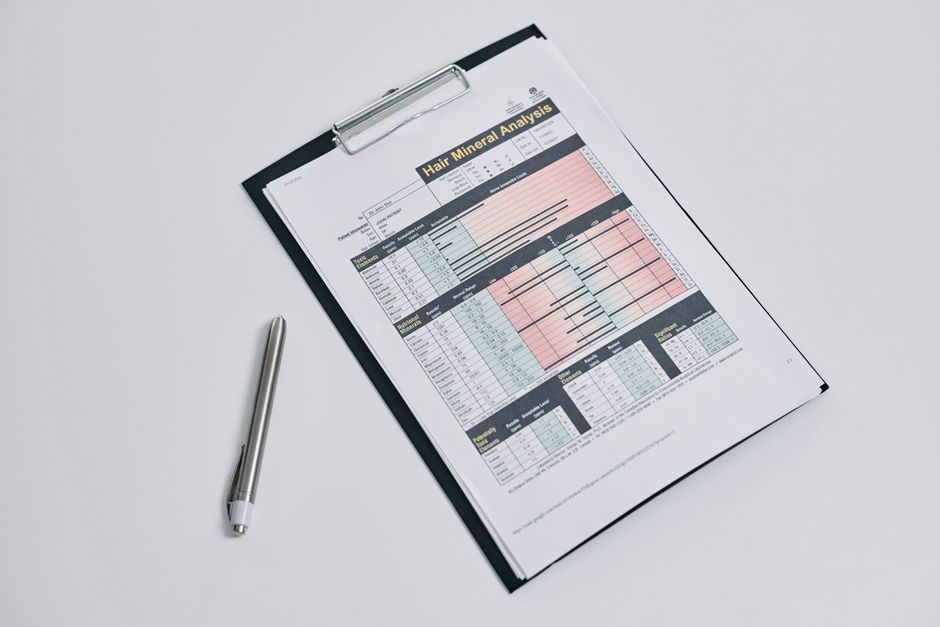
The purpose of the GFTA‑3 standard scores table PDF is to provide a reliable, norm‑based framework for evaluating a child’s articulation performance relative to a large, nationally representative sample․ By converting raw error counts into standardized scores with a mean of 100 and a standard deviation of 15, clinicians can objectively determine whether a child’s phonological accuracy falls within typical developmental ranges or indicates a clinically significant delay․ These scores enable the comparison of performance across age groups, languages, and clinical settings, ensuring that intervention goals are grounded in empirical data․ Moreover, the standardized format facilitates clear communication among speech‑language pathologists, educators, and families, as it translates complex phonological findings into concise, interpretable metrics․ The table also supports longitudinal tracking of progress, allowing practitioners to assess the effectiveness of treatment protocols and adjust services accordingly․ Thus, the table is evidence‑based, guiding clinicians toward decisions that improve speech‑language outcomes for childrendaily․ Clinicians use the table to benchmark progress against peers, ensuring interventions are tailored to each childs unique developmental trajectorydaily․
Source of Standardization Data
The GFTA‑3 standard scores table PDF is grounded in a comprehensive national sample collected by NCS Pearson, Inc․ in 2015․ The data set comprises articulation results from over 1,200 children aged 3 to 18 years, representing diverse ethnic, linguistic, and socioeconomic backgrounds․ Each child’s responses to the 12 Core Process target words were coded for sound changes, and the total number of phonological processes was converted into raw scores․ These raw scores were then standardized to a mean of 100 and a standard deviation of 15, aligning with the Pearson distribution methodology used across other speech‑language assessment tools․ The sample was stratified by age and language group, ensuring that the norms reflect typical developmental trajectories for both English‑speaking and bilingual populations․ The resulting table is distributed as a PDF through official Pearson channels, with supplemental third‑party PDF resources available for clinicians who require a printable record form for scoring and automatic standard score calculation․ This rigorous standardization process guarantees that the GFTA‑3 scores are reliable, valid, and comparable across clinical settings worldwide․ The PDF also includes a key that explains how to interpret the scores,linking them to functional speech milestones and educational planning․ Clinicians can use the table to benchmark a child’s progress over time, compare performancewith peers, and identify areas requiring intervention․ See Appendix

Structure of the GFTA-3 Standard Scores Table

The GFTA‑3 standard scores table PDF arranges data by age and language group, with columns for raw scores, mean, standard deviation, and percentile ranks․ Each row represents a specific age cohort, enabling clinicians to compare a child’s performance to national norms and track progress over time․ daily․ !OK

Score Columns and Mean/SD
Each row in the GFTA‑3 standard scores table PDF lists raw score ranges for the 12 core phonological processes, followed by the corresponding mean raw score and standard deviation for that age group․ The mean is calculated from a nationally representative sample of typically developing children, and the standard deviation reflects the spread of performance around that mean․ Clinicians can locate a child’s raw score, then read the adjacent mean and SD columns to determine how many standard deviations the child is above or below the norm․ This information is essential for converting raw scores into standard scores, which are then plotted on percentile curves․ The table also includes a column for the standard score itself, derived by applying the raw‑to‑standard conversion formula that incorporates the mean and SD values․ By examining the mean and SD values, practitioners can assess the reliability of the norms and identify any age‑specific shifts in performance․ The table’s structure ensures that each age cohort has a dedicated set of mean and SD figures, allowing for precise comparison across developmental stages․ When interpreting results, the mean and SD columns provide context for the child’s raw score, helping to determine whether the performance is typical, slightly delayed, or markedly impaired․ The standard deviation column, in particular, offers a quantitative measure of variability, which is critical for setting real intervention goals and monitoring progress․
Age and Language Groups Covered
The GFTA‑3 standard scores table PDF is organized to reflect the developmental span of children who typically receive the assessment, ranging from 2 years 6 months to 18 years 11 months․ For each age cohort, separate normative data are provided for English‑speaking children, Spanish‑speaking children, and bilingual children who use both languages in daily life․ The table includes distinct columns for language group, allowing clinicians to compare a child’s raw score against the appropriate reference sample․ In addition, the PDF contains a “mixed‑language” column that aggregates data for children who are exposed to more than one language but do not meet the strict criteria for bilingual classification․ The age groups are further subdivided into 6‑month intervals to capture subtle developmental changes in phonological processes․ Clinicians can locate a child’s exact age in months, then read the corresponding mean, standard deviation, and percentile rank for the selected language group․ This structure ensures that the assessment remains sensitive to both age‑related growth and language‑specific phonological patterns, thereby supporting accurate diagnosis and individualized intervention planning․ Researchers and clinicians can use the table’s age‑specific norms to conduct longitudinal studies and compare intervention outcomes across populations․ The table also supports bilingual assessment across languages for students in education and research! Supports bilingual assessment across languages․

Accessing the GFTA-3 Standard Scores Table PDF
Clinicians obtain the PDF from the official NCS Pearson website, where the distribution is downloadable after login․ Alternatively, third‑party sites host the file, but verify authenticity to avoid corrupted or outdated data․ Use the portal today!
Official NCS Pearson Distribution
The National Center for Speech–Language Pathology (NCS) Pearson provides the GFTA‑3 standard scores table PDF in the test distribution․ To access it, clinicians log in to the Pearsone Portal online using credentials when the test is purchased․ Authenticated, the user navigates to the “Materials” section, selects the GFTA‑3 package, and downloads the PDF named “GFTA‑3 Standard Scores Table․” The file contains age‑specific norm tables for both English and Spanish language groups, each with mean, standard deviation, and percentile ranks․ The PDF is protected by a password that is supplied in the test kit, ensuring that only authorized users can view the norms․ Because the distribution is updated annually, clinicians should verify that the version they download matches the test edition used in assessment․ The portal also provides a quick‑reference guide that explains how to interpret the tables, including the mapping of raw scores to standard scores and severity levels․ When the PDF is printed, the tables retain their formatting, making it cross ‑ reference raw scores for scoring sessions! Clinicians are encouraged to keep a digital copy on a secure server and to back it up regularly, as the PDF is the sole source of normative data for the GFTA‑3․ Failure to use the official distribution may result in misinterpretation of scores and potential legal or ethical issues․ Therefore, the NCS Pearson distribution remains the authoritative resource for all GFTA‑3 standard score calculations․
Third‑Party PDF Resources
Some clinicians and researchers share GFTA-3 standard score tables on open‑access platforms, but these PDFs are not endorsed by NCS Pearson․ The most common third‑party sites host scanned copies of the official table or offer re‑created tables in PDF format․ Users should verify that the age ranges, mean values, and standard deviations match the published norms․ Because the PDFs are often modified, the raw score to standard score conversion formulas may differ, leading to inaccurate scoring․ Additionally, third‑party PDFs may lack the embedded security features that protect the original document, increasing the risk of unauthorized distribution․ Clinicians are advised to cross‑check any third‑party PDF against the official NCS Pearson distribution before using it in practice․ Some academic institutions host the PDF in their digital libraries, but these copies are typically provided under a license that restricts commercial use․ When downloading a third‑party PDF, always check the file size and metadata for consistency with the official version․ If the PDF contains annotations or highlighted cells, it may indicate that the file has been edited, which could alter the normative data․ In summary, while third‑party PDFs can be convenient, they should be used with caution, and the official NCS Pearson distribution remains the gold standard for accurate GFTA-3 scoring․ Clinicians should verify that PDF file size matches version’s size, discrepancies may indicate a tampering or corruption that could compromise test integrity․
Using the Record Form PDF for Scoring
The GFTA‑3 Record Form PDF is a fill‑able document that captures each child’s response, logs errors, and automatically computes standard scores based on the raw score-to‑norm conversion․ Clinicians enter data, and the PDF’s embedded calculations produce age‑adjusted scores for interpretation․ quick
Recording Responses in the PDF

When using the GFTA‑3 Record Form PDF, the examiner first selects the appropriate language and age group from the drop‑down menus․ Each target word is listed in a table with a column for the child’s spoken response․ The examiner types the phonetic transcription of the response in the adjacent cell, using the standardized symbol set (e․g․, /k/ for a clear /k/ sound)․ If the child produces an error, the examiner checks the “error” box and writes a brief note in the comment field, such as “replaced /k/ with /t/” or “omitted /s/․” The form automatically counts correct and incorrect items, calculates a raw score, and then applies the conversion table embedded in the PDF to generate a standard score․ Because the calculation is built into the PDF, the examiner does not need to perform manual arithmetic; the score updates instantly as entries are made․ This real‑time feedback helps the clinician verify data entry accuracy before finalizing the report․ After all items are recorded, the examiner reviews the summary page, prints the completed form, and signs the electronically․ The PDF’s built‑in security settings prevent accidental edits, ensuring the integrity of the recorded data for future reference or research purposes․ The completed PDF can be exported as a secure PDF file,emailed to the speech‑languagepathologist,or printed for archival storage․ The embedded digital signature ensures that the record remains tamper‑proof,allowing clinicians to track progress overmultiple assessment sessionswith confidence․

The GFTA‑3 Record Form PDF embeds a conversion algorithm that transforms raw item counts into age‑specific standard scores․ As the examiner enters each response, the PDF’s internal script tallies correct items, applies the appropriate percentile‑to‑standard‑score table, and displays the resulting score in a dedicated field․ This real‑time calculation eliminates the need for manual lookup tables and reduces the risk of transcription errors․ The algorithm accounts for age, language, and the number of target items, ensuring that the standard score reflects the child’s performance relative to the national reference sample․ Once all items are entered, the PDF automatically calculates the total raw score, the corresponding standard score, and the percentile rank, all of which appear on the summary page․ The clinician can review these figures before printing or exporting the form․ Because the calculation is built into the PDF, the data remain consistent across multiple sessions, and the form can be archived as a secure, tamper‑proof record․ This feature streamlines scoring, speeds up report generation, and supports evidence‑based decision making in clinical practice․ Clinicians can also export the PDF to a CSV file for statistical analysis, enabling longitudinal tracking of articulation improvement across multiple sessions․ The embedded calculation ensures consistency, while the export feature facilitates research and quality assurance in speech‑language pathology practice․ It also allows export to CSV for data!!!

Interpreting Standard Scores and Severity Levels
Standard scores from the GFTA‑3 PDF translate performance into a mean‑100, SD‑15․ Scores above 115 indicateaverage articulation; 90–115 is average; below 90 signals severity․ Clinicians use these ranges to set goals and monitor and progress․
In the GFTA‑3 standard scores table PDF, scores are reported as standard scores with a mean of 100 and a standard deviation of 15․ Scores above 115 are considered above average, 90–115 are within the average range, and scores below 90 indicate increasing severity of articulation difficulty․ These thresholds guide educators and clinicians in determining the level of intervention required․ An above‑average score suggests that a child’s speech production aligns with typical developmental expectations, and may only need brief reinforcement or monitoring․ A score in the average range signals that the child is within the expected developmental window but may benefit from targeted practice to solidify consistency․ Scores below 90 are subdivided into mild (80–89), moderate (70–79), and severe (<70) categories, each reflecting a progressively higher need for structured therapy․ Mild cases often respond to focused phonological drills and home practice, while moderate cases require more intensive, individualized instruction․ Severe cases typically necessitate comprehensive, multi‑disciplinary intervention, including speech‑language pathology, classroom accommodations, and parent education․ The table also provides percentile ranks, allowing educators to compare a child’s performance relative to peers․ Data‑driven practice improves․ Percentiles above the 75th percentile generally correspond to scores above 115, while those below the 25th percentile align with scores under 90․