
Monthly Archive November 28, 2025

Byjeff

honeywell visionpro 8000 user manual

Honeywell VisionPRO 8000 offers advanced control of your home’s comfort. This smart thermostat, detailed in its user manual, integrates seamlessly with Wi-Fi for remote access.

The VisionPRO 8000, covered by patents like US 6595430, provides energy savings and convenient scheduling, as highlighted in available guides and installation manuals.

From its touchscreen interface to smart home platform integration, the VisionPRO 8000, detailed in the 69-1706 install manual, is a powerful home comfort solution.

Overview of the Thermostat

The Honeywell VisionPRO 8000 is a touchscreen programmable thermostat designed for comprehensive home climate control. As detailed in the 69-1894EFS03 install manual, it offers a user-friendly interface for managing heating and cooling systems. This thermostat, covered by US Patent No. 6595430, isn’t just a temperature regulator; it’s a smart home hub.

The VisionPRO 8000, documented in the Honeywell Home 8000 Wi-Fi VisionPRO Thermostat User Guide, boasts Wi-Fi connectivity, enabling remote monitoring and adjustments via the Honeywell Home app. It’s compatible with light commercial applications, as noted in March 2014 announcements, and can significantly reduce energy consumption, demonstrated in pilot programs like those in Sharjah mosques;

Essentially, the VisionPRO 8000 provides a centralized point for optimizing comfort and efficiency, all explained within its comprehensive user manual.

Key Features and Benefits

The Honeywell VisionPRO 8000, as outlined in its user manual, delivers a wealth of features. Key among these is its intuitive touchscreen navigation, simplifying programming and adjustments. Wi-Fi connectivity, detailed in the TH8321WF1001 guide, allows remote control via the Honeywell Home app, offering convenience and energy savings.

Benefits include precise temperature control, customizable scheduling, and vacation mode for optimized energy use. Integration with smart home platforms expands functionality, while features like filter change reminders (advanced settings) ensure system longevity. The thermostat’s ability to integrate with WEBs-AX building automation systems (March 2014) highlights its versatility.

Ultimately, the VisionPRO 8000, documented in manual 69-1706, provides a comfortable, efficient, and connected home climate experience.

Installation Guide

Proper installation, detailed in the 69-1706 manual, is crucial for optimal VisionPRO 8000 performance. Carefully review safety precautions and wiring diagrams before proceeding.

Ensure you understand the package contents and HVAC system compatibility, referencing the user manual for guidance throughout the setup process.

Package Contents

Upon opening your Honeywell VisionPRO 8000 package, carefully verify all components are present. The standard kit includes the VisionPRO 8000 touchscreen thermostat itself, providing a modern interface for controlling your home’s climate.

You’ll also find a mounting baseplate, essential for securely attaching the thermostat to the wall. Screws and wall anchors are provided for a stable installation. A wire label sheet assists in correctly identifying and connecting the wires to your HVAC system, preventing errors during setup.

Furthermore, the package contains a quick install guide for a simplified setup process, and a detailed user manual (like 69-1706) offering comprehensive instructions. Finally, check for any included promotional materials or warranty information.

Safety Precautions

Before installing your Honeywell VisionPRO 8000, prioritize safety. Always disconnect power to your HVAC system at the breaker box to avoid electrical shock. Improper wiring can damage the thermostat and your equipment, so proceed with caution.

Read the entire installation manual (69-1706) thoroughly before beginning. If you are uncomfortable with electrical work, consult a qualified HVAC technician. Ensure the installation location is dry and free from extreme temperatures.

Do not install the thermostat in areas exposed to direct sunlight or near sources of heat. Handle the thermostat with care to avoid damaging the touchscreen or internal components. Follow all local electrical codes during installation.

Wiring Diagram Explanation

The Honeywell VisionPRO 8000 installation manual (69-1706) provides detailed wiring diagrams crucial for correct installation. These diagrams illustrate the connections between the thermostat and your HVAC system’s components – furnace, air conditioner, and fan.

Common terminals include Rh and Rc (power), W (heat), Y (cool), and G (fan). Carefully identify each wire and its corresponding terminal before connecting. Incorrect wiring can lead to system malfunction or damage.

Pay close attention to C-wire requirements; a common wire is often needed for consistent power. The manual clarifies how to handle systems without a C-wire. Double-check all connections against the diagram before restoring power to ensure a secure and functional setup.

Connecting to Your HVAC System

Following the wiring diagram in the VisionPRO 8000 install manual (69-1706) is paramount when connecting to your HVAC system. Ensure the system’s power is completely off at the breaker before commencing any wiring.

Carefully connect each wire to the corresponding terminal on the thermostat’s backplate, referencing the diagram for accurate placement. Securely tighten each screw to ensure a firm connection, preventing loose wires and potential malfunctions.

Verify all connections before mounting the thermostat to the wall. A properly connected system will operate efficiently and reliably. Consult a qualified HVAC technician if you are unsure about any aspect of the wiring process.

Powering On and Initial Setup

After securely connecting the wiring, restore power to your HVAC system at the breaker. The Honeywell VisionPRO 8000 touchscreen should illuminate, initiating the startup sequence.

Follow the on-screen prompts to begin the initial setup process. This typically involves selecting your language, date, and time. The thermostat will then guide you through configuring your system type – furnace, heat pump, or air conditioner.

Accurate system configuration is crucial for optimal performance. Refer to the user manual for detailed instructions and troubleshooting tips. Ensure a stable Wi-Fi connection is available for potential smart features activation.

Understanding the User Interface

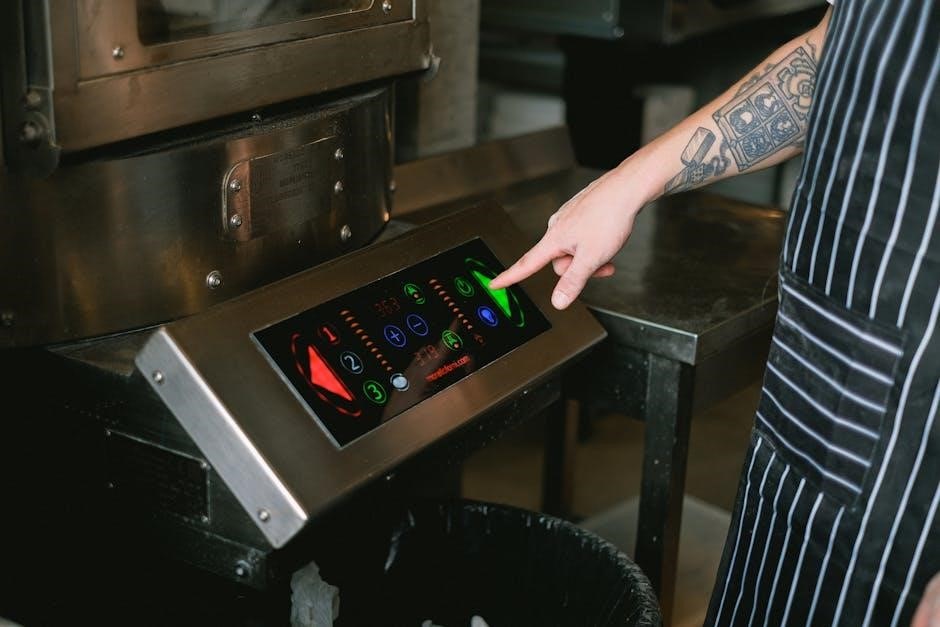
The Honeywell VisionPRO 8000 features an intuitive touchscreen for easy navigation. Icons clearly display system status, and the menu structure is logically organized.

User guides detail each display element, ensuring effortless control of your home’s heating and cooling, as described in the manual.

Touchscreen Navigation

The Honeywell VisionPRO 8000 boasts a responsive touchscreen interface, central to its user experience. Navigating the thermostat is designed to be intuitive; simply tap icons and menu options to adjust settings. The user manual emphasizes swiping gestures for quick access to frequently used features.

Different screens are accessed by tapping corresponding icons on the home display. The manual details how to move between temperature schedules, system settings, and energy usage reports. A long press on certain icons often reveals advanced options.

The touchscreen responds to light touches, eliminating the need for excessive pressure. Familiarizing yourself with the layout, as outlined in the provided guides, will unlock the full potential of this smart thermostat.

Display Icons and Indicators

The Honeywell VisionPRO 8000’s display utilizes a variety of icons and indicators to convey system status at a glance. The user manual provides a comprehensive key to understanding these visual cues. Common icons include heating and cooling modes, fan operation, and Wi-Fi connectivity.

Temperature displays are prominent, alongside setpoint and current room temperature readings. Indicators alert users to low battery levels, filter change reminders, and potential system errors. Specific error codes, detailed in the manual, pinpoint the nature of the issue.

Understanding these icons is crucial for efficient operation. The manual emphasizes that a flashing icon often signifies an active process or a need for user intervention, ensuring optimal performance.

Menu Structure Overview

The Honeywell VisionPRO 8000 features an intuitive touchscreen interface organized into a hierarchical menu structure. The user manual details this layout, beginning with a main menu offering access to core functions like scheduling, settings, and system information.

Within each main category, submenus provide granular control over specific parameters. For example, the “Schedule” menu allows users to create and modify heating/cooling schedules for different days and times. “Settings” encompasses options like date/time configuration and display preferences.

Navigating the menus is straightforward using the touchscreen. The manual emphasizes a logical flow, ensuring users can easily locate and adjust settings to personalize their comfort experience.

Programming Your Thermostat

The VisionPRO 8000, as detailed in the user manual, allows customized comfort through scheduling, temperature holds, and vacation modes for efficient energy use.

Users can easily set the date and time, create personalized schedules, and utilize hold options for temporary overrides, enhancing control.

Setting the Date and Time

Accurate date and time settings are crucial for proper scheduling and operation of your Honeywell VisionPRO 8000 thermostat. The user manual guides you through this initial setup process with clear, step-by-step instructions. Upon powering on, the thermostat will likely prompt you to configure these settings.

Typically, you’ll navigate to the main menu using the touchscreen interface. Within the menu structure, locate the “Date and Time” option. From there, you can adjust the month, day, year, hour, and minute. Ensure you select the correct AM or PM designation.

The VisionPRO 8000 may also offer options for automatic date and time updates via a Wi-Fi connection, simplifying this process. Refer to the manual for specific instructions on enabling this feature. Correct settings ensure your programmed schedules function as intended, maximizing comfort and energy savings.

Creating a Schedule

Scheduling is a key feature of the Honeywell VisionPRO 8000, allowing customized temperature control throughout the day. The user manual details how to program different settings for various times and days. Access the scheduling function through the main menu on the touchscreen.

You can typically create separate schedules for weekdays and weekends, or customize each day individually. Define “wake,” “leave,” “return,” and “sleep” periods, assigning desired temperatures to each. The thermostat supports multiple periods per day, offering granular control.

The VisionPRO 8000 allows you to copy schedules to multiple days, simplifying setup. Remember to save your changes after creating or modifying a schedule. A well-programmed schedule optimizes comfort and minimizes energy consumption, leveraging the thermostat’s smart capabilities.

Temperature Hold Options

The Honeywell VisionPRO 8000 offers several temperature hold options for overriding the programmed schedule. A “Temporary Hold” maintains a set temperature for a specified duration, after which the thermostat reverts to the scheduled program. This is ideal for short-term adjustments.

A “Permanent Hold” locks the thermostat at the selected temperature indefinitely, disregarding the schedule until manually canceled. The user manual explains how to activate and deactivate these holds via the touchscreen interface.

Additionally, some models feature a “Follow Me” function, prioritizing temperature readings from the thermostat’s location. Understanding these hold options allows for flexible comfort control, balancing immediate needs with long-term energy efficiency, as detailed in the product documentation.

Vacation Mode Configuration

The Honeywell VisionPRO 8000’s Vacation Mode is designed to conserve energy while you’re away. Accessed through the thermostat’s menu, this feature allows you to set a lower heating temperature and a higher cooling temperature than your normal settings.

The user manual details how to specify the start and end dates for your vacation, ensuring the system automatically returns to your regular schedule upon your return. This prevents wasted energy heating or cooling an empty home.

Remote control via the Honeywell Home app further enhances Vacation Mode, allowing adjustments even while traveling. Properly configuring Vacation Mode maximizes energy savings and provides peace of mind, as outlined in the official documentation.

Connectivity and Smart Features

The VisionPRO 8000 boasts Wi-Fi connectivity, enabling remote control via the Honeywell Home app. Integration with smart home platforms expands functionality.

User manuals detail Wi-Fi setup and monitoring your HVAC system remotely, offering convenient control and energy management capabilities.

Wi-Fi Setup and Connection

Connecting your Honeywell VisionPRO 8000 to Wi-Fi unlocks remote access and smart features. The user manual guides you through this process, beginning with ensuring a stable 2.4 GHz Wi-Fi network is available.

Access the thermostat’s menu, typically through the touchscreen, and navigate to the network settings. Select your Wi-Fi network from the list and enter the password when prompted. The thermostat will attempt to connect, displaying a success or failure message.

Troubleshooting tips within the manual address common issues like incorrect passwords or signal strength. Successful connection enables control via the Honeywell Home app, providing convenient temperature adjustments and scheduling from anywhere with an internet connection.

Refer to the manual for specific button sequences and on-screen prompts, as these may vary slightly depending on the thermostat model.

Remote Access via Honeywell Home App

The Honeywell Home app extends control of your VisionPRO 8000 beyond your home. After successful Wi-Fi connection, download the app from your device’s app store and create an account, or log in if you already have one.

The app guides you through adding your thermostat, often requiring a scan of a QR code or manual entry of the device’s ID. Once added, you can remotely adjust the temperature, create and edit schedules, and monitor energy usage.

The user manual details app-specific features, including geofencing for automatic temperature adjustments based on your location. Notifications alert you to system changes or potential issues, enhancing convenience and peace of mind.

Ensure your app is updated for optimal performance and access to the latest features.

Integration with Smart Home Platforms

The Honeywell VisionPRO 8000 enhances your smart home ecosystem through compatibility with various platforms. The user manual details integration steps for systems like WEBs-AX, a web-enabled building automation system, ideal for light commercial applications.

Connecting to these platforms allows for centralized control of your HVAC system alongside other smart devices. Voice control is often enabled through platforms like Amazon Alexa or Google Assistant, offering hands-free operation.

The Honeywell Home app serves as a central hub, streamlining control and automation. Explore the manual for specific instructions and troubleshooting tips related to each platform.

Seamless integration provides a unified and convenient smart home experience.
Troubleshooting Common Issues

The user manual provides solutions for problems like power failures, connectivity issues, and inaccurate readings. Error codes are explained, guiding users through diagnostics.

Refer to the manual for detailed steps to resolve these common VisionPRO 8000 challenges and restore optimal thermostat function.

Thermostat Not Powering On

If your Honeywell VisionPRO 8000 fails to power on, the user manual recommends several checks. First, verify the system power switch is on and the circuit breaker hasn’t tripped. Inspect the thermostat wiring, ensuring all connections are secure and match the wiring diagram.

Confirm the C-wire (common wire) is properly connected, as this is crucial for consistent power. If a C-wire isn’t present, a C-wire adapter might be necessary – consult the manual for compatibility and installation instructions.

Check for loose wires or corrosion at the terminal block. If issues persist, consult a qualified HVAC technician, referencing the troubleshooting section within the VisionPRO 8000 manual for detailed guidance.

Connectivity Problems

Experiencing connectivity issues with your Honeywell VisionPRO 8000? The user manual advises verifying your home Wi-Fi network is functioning correctly. Ensure the thermostat is within range of your router and that the correct Wi-Fi password was entered during setup.

Restart both your router and the thermostat – a simple reboot often resolves temporary glitches. Check for firmware updates via the Honeywell Home app, as these can improve connectivity. If problems continue, try re-registering the thermostat on the Honeywell Home platform.

Refer to the manual’s troubleshooting section for specific error codes and potential solutions. For persistent issues, contact Honeywell Customer Care for further assistance.

Incorrect Temperature Readings

If your Honeywell VisionPRO 8000 displays inaccurate temperatures, the user manual suggests first checking the thermostat’s location. Avoid direct sunlight, drafts, or proximity to heat-generating appliances, as these can skew readings.

Verify the thermostat is properly calibrated within the settings menu. The manual details how to adjust temperature offsets to match a trusted thermometer. Ensure the thermostat isn’t sensing temperature from an external source, like a wall with poor insulation.

Consider a system check if discrepancies persist; a faulty sensor might require professional attention. Refer to the manual’s troubleshooting guide for specific error codes related to temperature inaccuracies.

Error Codes and Their Meanings

The Honeywell VisionPRO 8000 user manual provides a comprehensive list of error codes to aid in troubleshooting; These codes signal specific issues within your HVAC system or the thermostat itself.

Common codes might indicate wiring problems, sensor failures, or communication errors with your HVAC equipment. The manual details each code’s meaning and suggests potential solutions, ranging from simple resets to professional service calls.

Referencing the error code section is crucial for accurate diagnosis. Ignoring these signals could lead to further system damage. Always consult the manual before attempting repairs, and prioritize safety when addressing HVAC issues.

Maintenance and Care

The Honeywell VisionPRO 8000 user manual stresses regular cleaning of the touchscreen and timely battery replacements for optimal performance and longevity.

Software updates, as detailed in the manual, ensure continued functionality and access to the latest features for your smart thermostat.

Cleaning the Touchscreen

Maintaining a clean touchscreen on your Honeywell VisionPRO 8000 is crucial for optimal usability and responsiveness. The user manual recommends a gentle approach to avoid damage.

Use a soft, dry cloth to wipe away dust and fingerprints regularly. Avoid abrasive cleaners, solvents, or excessive moisture, as these can harm the screen’s coating.

For stubborn smudges, lightly dampen the cloth with water and gently wipe the screen. Ensure the cloth is only slightly damp, not wet, and immediately dry the surface with a clean, dry portion of the cloth.

Never spray liquids directly onto the thermostat. This could cause liquid to enter the unit and potentially damage internal components. Consistent, gentle cleaning will keep your VisionPRO 8000’s touchscreen functioning flawlessly.

Battery Replacement

The Honeywell VisionPRO 8000 utilizes batteries to maintain settings during power outages and may require periodic replacement. The user manual details the process for ensuring uninterrupted operation.

Locate the battery compartment, typically found on the back or side of the thermostat. Gently open the compartment and note the battery type required – usually AA alkaline batteries.

Remove the old batteries and insert new ones, ensuring correct polarity (+ and -) as indicated inside the compartment. Close the battery compartment securely.

The thermostat may briefly restart after battery replacement. Regularly check battery levels to avoid losing programmed settings during power disruptions. Proper battery maintenance ensures continued functionality.

Software Updates

The Honeywell VisionPRO 8000 receives periodic software updates to enhance performance, add features, and improve security. These updates are crucial for optimal functionality, as detailed in the user manual.

Updates are typically delivered over Wi-Fi, requiring a stable internet connection. The thermostat will often prompt you when an update is available, guiding you through the process.

During the update, avoid interrupting power to the thermostat. The process may take several minutes, and the screen may display a progress bar.

Regularly checking for updates ensures your VisionPRO 8000 benefits from the latest improvements. Refer to the Honeywell Home app or thermostat settings for update options.

Advanced Settings

The VisionPRO 8000 offers customizable options like filter change reminders, fan control, and system configuration, detailed within the user manual for tailored comfort.

Filter Change Reminders

The Honeywell VisionPRO 8000’s advanced settings include a helpful filter change reminder function. This feature, detailed in the user manual, proactively monitors your HVAC system’s operation and estimates filter lifespan.

You can customize the reminder frequency based on your filter type and usage. The thermostat will then display a notification on the touchscreen when a filter change is recommended, ensuring optimal air quality and system efficiency.

Ignoring filter changes can reduce airflow and increase energy consumption. Utilizing this reminder feature, as outlined in the installation and user guides, helps maintain peak performance and prolongs the life of your HVAC equipment. Properly maintained filters contribute to a healthier home environment.

Fan Control Options

The Honeywell VisionPRO 8000 offers versatile fan control settings, accessible through its advanced configuration menu. The user manual details several options to optimize airflow and comfort within your home.

You can select “Auto” for fan operation tied to heating or cooling cycles, or choose “On” for continuous airflow. A “Circulate” mode gently moves air periodically, improving temperature consistency. Custom schedules allow tailored fan operation throughout the day.

These settings, explained in the installation guide, impact both comfort and energy efficiency. Continuous fan operation can improve air circulation but increases energy use. Understanding these options, as described in the VisionPRO 8000 documentation, allows for personalized climate control.

System Configuration

The Honeywell VisionPRO 8000’s system configuration settings, detailed in the user manual, allow customization for various HVAC systems. These options ensure optimal performance and compatibility with your specific setup.

Users can define system type – heat pump, forced air, or radiant – and configure staging parameters for multi-stage heating and cooling. Advanced settings include cycle rate adjustments and temperature differential controls, impacting system efficiency.

The manual emphasizes careful configuration to avoid operational issues. Incorrect settings can lead to inefficient heating/cooling or system malfunctions. Accessing these settings requires navigating the thermostat’s menu structure, as outlined in the 69-1706 installation guide, ensuring a tailored and efficient home comfort experience.


Byjeff

vaillant ecotec plus 418 manual

Vaillant Ecotec Plus 418 Manual: A Comprehensive Guide

Congratulations on acquiring your new Vaillant Ecotec Plus 418! This comprehensive guide assists in understanding and maximizing your boiler’s potential. It’s designed for optimal performance and longevity‚ offering detailed instructions for installation‚ operation‚ and maintenance.

The Vaillant Ecotec Plus 418 represents a significant advancement in home heating technology‚ lauded for its efficiency and reliability. This condensing boiler is designed to provide both central heating and domestic hot water‚ offering a versatile solution for modern homes. Launched with considerable fanfare‚ including showcases at the London Science Museum and InstallerShow‚ the ecoTEC plus range has quickly gained recognition within the industry.

This manual serves as your primary resource for understanding all aspects of your new boiler. Whether you are a homeowner or a qualified installer‚ you’ll find valuable information regarding setup‚ operation‚ maintenance‚ and troubleshooting. The Ecotec Plus 418 is compatible with the sensoNET internet module‚ enabling remote control and monitoring of your heating system; Understanding its features and following the guidelines within this manual will ensure years of efficient and dependable service.

The information contained herein is based on the latest available data as of November 25‚ 2025‚ and is subject to change. Always refer to the official Vaillant documentation for the most up-to-date details.

Key Features and Benefits

The Vaillant Ecotec Plus 418 boasts a range of features designed for optimal performance and user convenience. Its high efficiency condensing technology minimizes gas consumption‚ leading to lower heating bills and a reduced carbon footprint. The compact design allows for flexible installation options‚ even in smaller homes.

Key benefits include quiet operation‚ ensuring a peaceful home environment. The boiler’s modulating output automatically adjusts to heating demands‚ providing consistent comfort and maximizing energy savings. Compatibility with the sensoNET internet module offers remote control via smartphone or tablet‚ allowing for convenient adjustments and monitoring.

Furthermore‚ the Ecotec Plus 418 features a user-friendly interface and comprehensive diagnostic capabilities‚ simplifying operation and troubleshooting. Its robust construction and high-quality components ensure long-term reliability and durability. The boiler’s advanced controls contribute to precise temperature regulation and consistent hot water delivery. Vaillant’s commitment to innovation is evident in this next-generation heating solution.

Understanding the Boiler’s Components

The Vaillant Ecotec Plus 418 comprises several key components working in harmony. The heat exchanger efficiently transfers heat from combustion gases to the heating system. A modulating burner adjusts the flame intensity based on demand‚ optimizing fuel usage. The fan ensures proper air supply for combustion and exhaust gas removal.

The pump circulates hot water throughout the heating system‚ while the expansion vessel accommodates volume changes due to temperature fluctuations. A diverter valve directs hot water to either the heating circuit or the domestic hot water system. The control unit‚ featuring a user-friendly interface‚ manages boiler operation and displays system status.

Safety features include a pressure relief valve and temperature sensors‚ protecting against overpressure and overheating. The gas valve regulates gas supply to the burner. Understanding these components is crucial for effective maintenance and troubleshooting. Proper functioning of each part ensures optimal performance and longevity of the boiler. Regular inspection of these elements is recommended.

Initial Setup and Installation

Professional installation is strongly recommended for the Vaillant Ecotec Plus 418. Ensure the boiler is installed by a qualified and certified heating engineer‚ adhering to all local regulations and safety standards. Before installation‚ verify the gas supply is compatible and correctly sized. The flue system must be appropriately installed to safely vent exhaust gases.

Initial setup involves filling the heating system with water and bleeding any trapped air. The boiler requires connection to both the gas and water supply‚ alongside electrical power. Following installation‚ the engineer will commission the boiler‚ setting parameters like gas type and heating curve.

Verify correct operation of all safety devices‚ including the pressure relief valve. Familiarize yourself with the control panel and its functions. A properly installed and commissioned boiler ensures efficient and safe operation. Always retain installation records for future reference and warranty claims.

Control Panel Overview and Functions

The Vaillant Ecotec Plus 418 features a user-friendly control panel providing access to various boiler functions. The display shows current system temperature‚ operating mode‚ and any active error codes. Buttons allow for adjusting temperature settings‚ selecting heating modes (heating‚ hot water‚ or off)‚ and navigating through the menu.

Key functions include setting the desired room temperature‚ programming heating schedules‚ and activating holiday mode for energy savings. The control panel also displays information regarding boiler performance and energy consumption. Accessing advanced settings may require a qualified engineer.

Familiarize yourself with the indicator lights‚ which signal boiler status – for example‚ flame ignition‚ hot water production‚ and error conditions. The panel’s interface is designed for intuitive operation‚ allowing users to easily manage their heating system. Regular checks of the display ensure optimal performance and prompt identification of potential issues.

Operating Modes Explained

The Vaillant Ecotec Plus 418 offers several operating modes to suit your heating and hot water needs. Heating Mode prioritizes maintaining the set room temperature‚ utilizing the central heating system. Hot Water Mode focuses on providing domestic hot water on demand‚ ideal for showers and taps.

Comfort Mode ensures rapid hot water delivery‚ maintaining a consistently warm supply. Eco Mode optimizes energy efficiency by reducing boiler output‚ suitable for periods of lower demand. Off Mode completely shuts down the boiler‚ conserving energy when heating isn’t required.

Furthermore‚ a Holiday Mode allows you to maintain a minimum temperature while you’re away‚ preventing frost damage. The boiler can also operate in a System Mode‚ balancing heating and hot water demands. Selecting the appropriate mode via the control panel ensures optimal performance and energy savings‚ tailored to your lifestyle and preferences.

Understanding Error Codes

The Vaillant Ecotec Plus 418 utilizes error codes to diagnose potential issues‚ displayed on the control panel. These codes provide valuable information for troubleshooting and ensuring efficient operation. A ‘F29’ code often indicates low water pressure within the system‚ requiring investigation of filling loops and pressure gauges.

‘F60’ typically signals a flame detection issue‚ potentially caused by a faulty flame sensor or gas supply problem. ‘E112’ suggests a problem with the temperature sensor‚ impacting heating performance. ‘E221’ can indicate a blocked flue‚ hindering safe combustion.

Consulting the full error code list within the manual is crucial for accurate diagnosis. Do not attempt repairs if unfamiliar with boiler systems; contact a qualified engineer. Ignoring error codes can lead to further damage or unsafe operating conditions. Regularly checking the display for codes promotes proactive maintenance and prevents major breakdowns.

Resetting the Boiler

Resetting your Vaillant Ecotec Plus 418 can often resolve minor operational glitches. A simple reset involves turning the boiler off using the power switch‚ waiting approximately 30 seconds‚ and then switching it back on. This allows the system to reboot and clear temporary errors.

For more persistent issues‚ a full reset might be necessary. This typically involves accessing the service menu via the control panel – consult the manual for specific button sequences. Caution: Incorrectly accessing the service menu can alter settings‚ so proceed carefully.

If the boiler continues to display error codes after resetting‚ it indicates a more significant problem requiring professional attention. Repeated resets are not a long-term solution and may mask underlying faults. Always prioritize safety and contact a qualified engineer for complex issues. Remember to document any error codes before resetting for accurate diagnosis.

Boiler Maintenance Schedule

Regular maintenance is crucial for the longevity and efficiency of your Vaillant Ecotec Plus 418. Annual servicing by a qualified Gas Safe registered engineer is highly recommended. This includes a thorough inspection of components‚ cleaning‚ and performance checks.

Monthly visual checks should be performed by the user‚ looking for any leaks‚ unusual noises‚ or corrosion. Every six months‚ check the system pressure and top up if necessary‚ following the instructions in this manual.

Descaling (detailed elsewhere in this guide) should be carried out as needed‚ depending on water hardness in your area. Ignoring maintenance can lead to reduced efficiency‚ increased fuel bills‚ and potential breakdowns. Keep a record of all maintenance performed‚ including dates and engineer details. Proactive maintenance ensures reliable heating and hot water for years to come.

Descaling the Boiler

Descaling your Vaillant Ecotec Plus 418 removes limescale buildup‚ which reduces heating efficiency and can cause component failure. The frequency depends on your water hardness; areas with hard water require more frequent descaling. A qualified engineer should ideally perform this task‚ utilizing a compatible descaling solution.

The process involves isolating the boiler‚ connecting the descaling solution‚ circulating it through the heat exchanger‚ and then thoroughly flushing the system with clean water. Never use undiluted descaling chemicals‚ as this can damage the boiler.

Signs that descaling is needed include reduced heating performance‚ increased noise‚ and error codes related to flow or temperature. Regular descaling‚ as part of your maintenance schedule‚ extends the boiler’s lifespan and maintains optimal performance. Always follow the manufacturer’s instructions for descaling solutions and safety precautions.

Frost Protection Procedures

Protecting your Vaillant Ecotec Plus 418 from freezing temperatures is crucial‚ especially during colder months or in unheated properties. The boiler has built-in frost protection‚ but additional measures are recommended for prolonged periods of sub-zero temperatures.

The boiler automatically activates its frost protection when the return water temperature drops to around 5°C (41°F)‚ briefly firing the boiler to maintain a minimum temperature. However‚ this relies on power availability. If a power outage is anticipated‚ consider draining the boiler and external pipework.

Insulate exposed pipework to prevent freezing. Regularly check the system during cold snaps. If the boiler has been frozen‚ do not attempt to operate it until it has fully thawed. Contact a qualified engineer to inspect the system for damage before restarting. Proper winterization safeguards your investment and ensures reliable heating.

Connecting to sensoNET (Internet Module)

Enhance your Vaillant Ecotec Plus 418’s functionality by connecting it to the sensoNET internet module. This “plug-and-play” device allows for remote monitoring and control of your heating system via a compatible internet connection.

Installation is straightforward: simply attach the sensoNET module to the designated port on the boiler’s underside. Once physically connected‚ follow the on-screen prompts on the boiler’s control panel to establish a network connection. You’ll need your Wi-Fi network name and password.

With sensoNET‚ you can adjust room temperatures‚ view boiler status‚ receive alerts for potential issues‚ and even request service from Vaillant directly. This remote access provides convenience and peace of mind‚ allowing for efficient energy management and proactive maintenance. The internet module enables comprehensive system oversight‚ optimizing performance and potentially reducing energy consumption.

Troubleshooting Common Issues

Encountering problems with your Vaillant Ecotec Plus 418? This section addresses frequently reported issues. Low water pressure is a common cause of boiler lockout; check your system pressure and repressurize if necessary‚ following the instructions in the ‘Resetting the Boiler’ section.

Error codes displayed on the control panel indicate specific faults. Refer to the ‘Understanding Error Codes’ section for detailed explanations and recommended actions. If the boiler fails to ignite‚ verify the gas supply is on and the flue is unobstructed.

For intermittent heating‚ check for airlocks in the system and consider bleeding the radiators. If issues persist‚ avoid attempting complex repairs yourself. Contact a qualified Vaillant engineer for assistance. Remember‚ safety is paramount; never tamper with gas or electrical components. Regular maintenance‚ as outlined in the ‘Boiler Maintenance Schedule’‚ can prevent many of these problems.

Safety Precautions

Prioritizing safety is crucial when operating your Vaillant Ecotec Plus 418. Never attempt to modify or repair the boiler yourself unless you are a qualified and certified engineer. Always ensure adequate ventilation in the boiler room to prevent carbon monoxide buildup. Regularly check for gas leaks using a suitable detection method.

Do not obstruct the flue or air intake vents‚ as this can compromise combustion and lead to dangerous conditions. Keep flammable materials away from the boiler. Be cautious of hot surfaces during and after operation to avoid burns.

If you smell gas‚ immediately shut off the gas supply‚ open windows‚ and contact your gas provider or a qualified engineer. Regular maintenance‚ as detailed in the ‘Boiler Maintenance Schedule’‚ is vital for safe operation. Familiarize yourself with the emergency shutdown procedure outlined in this manual. Remember‚ your safety and the safety of others depend on responsible boiler operation.

Technical Specifications

The Vaillant Ecotec Plus 418 boasts impressive technical capabilities. Its heating power ranges from 3.1kW to 18kW‚ making it suitable for various home sizes. The boiler features a compact design‚ measuring approximately 700mm in height‚ 440mm in width‚ and 300mm in depth. It operates on natural gas or LPG‚ requiring appropriate conversion kits for alternative fuel sources.

The Ecotec Plus 418 achieves a high energy efficiency rating‚ typically exceeding 92% ErP. It incorporates a stainless steel heat exchanger for durability and efficient heat transfer. The boiler’s flow rate is approximately 14 liters per minute. Electrical input is 230V/50Hz‚ with a power consumption of around 100W.

Furthermore‚ the unit’s weight is approximately 34kg. It features modulation ratios of up to 1:7‚ optimizing performance based on heating demand. The maximum operating pressure is 3 bar‚ and the flue diameter is 80/125mm. These specifications ensure reliable and efficient heating for your home.

Warranty Information

Vaillant stands behind the quality of the Ecotec Plus 418 with a comprehensive warranty package. Typically‚ the boiler is covered by a 5-year warranty on the heat exchanger‚ providing peace of mind against potential component failure. The remaining boiler components generally benefit from a 2-year manufacturer’s warranty‚ covering defects in materials and workmanship.

To validate the warranty‚ proper installation by a Vaillant approved installer is crucial. Registration of the boiler within a specified timeframe – usually 30 days from installation – is also required. Failure to register may invalidate the full warranty terms. The warranty does not cover damage resulting from improper use‚ scale buildup‚ or inadequate maintenance.

For detailed warranty terms and conditions‚ please refer to the official Vaillant warranty document provided with your boiler or available on the Vaillant website. Keep your proof of purchase and installation documentation readily available for any warranty claims. Contact Vaillant directly for any warranty-related inquiries.

Finding Additional Support and Resources

Beyond this manual‚ Vaillant offers a wealth of support resources for your Ecotec Plus 418. The official Vaillant website (www.vaillant.de) is a central hub‚ providing access to frequently asked questions‚ downloadable manuals‚ and troubleshooting guides. You can also find a comprehensive library of instructional videos demonstrating key features and maintenance procedures.

For direct assistance‚ Vaillant’s customer support team is available via phone and email. Their contact details are listed on the website and within the boiler’s documentation. Furthermore‚ Vaillant maintains a network of approved installers who can provide professional installation‚ servicing‚ and repair services.

Online forums and communities dedicated to heating and plumbing can also be valuable sources of information and peer support. Consider exploring these platforms to connect with other Ecotec Plus 418 owners and share experiences. Remember to always prioritize safety and consult a qualified professional for complex issues.

Synonyms for ‘Evaluate’ (Related to Boiler Performance)

When assessing your Vaillant Ecotec Plus 418’s operation‚ numerous terms can replace ‘evaluate’ to describe the process of understanding its performance. Consider using ‘examine’ to meticulously inspect operational data‚ or ‘check’ for routine performance verification. ‘Investigate’ is suitable when diagnosing unusual behavior‚ while ‘assess’ provides a broader overview of efficiency.

For a more detailed analysis‚ ‘analyze’ delves into specific metrics like gas consumption and water temperature. ‘Determine’ helps establish the boiler’s current condition‚ and ‘verify’ confirms whether it meets specified standards. ‘Gauge’ offers a quick estimation of performance‚ and ‘measure’ provides quantifiable data.

German equivalents‚ often found in technical documentation‚ include ‘bewerten’ (to rate)‚ ‘prüfen’ (to test)‚ and ‘untersuchen’ (to investigate). Employing these synonyms allows for precise communication when discussing boiler performance with technicians or referencing technical literature‚ ensuring clarity and understanding.

Byjeff

maus book pdf

Maus, a groundbreaking graphic novel by Art Spiegelman, won the Pulitzer Prize; Serialized in Raw magazine from 1980–1991, it was published as two volumes, exploring the Holocaust through animal symbolism and family dynamics․

1․1 Overview of the Book

Maus, a graphic novel by Art Spiegelman, recounts the Holocaust experiences of Vladek Spiegelman, a Polish Jew and survivor, through his son Artie’s narrative․ Serialized in Raw magazine from 1980 to 1991, it was later published as two volumes: Maus I: My Father Bleeds History (1986) and Maus II: And Here My Troubles Began (1991)․ The complete edition, released in 1996, blends historical trauma with family dynamics, using anthropomorphic animals—Jews as mice, Nazis as cats—to explore identity, race, and generational trauma․ The book is widely acclaimed for its layered storytelling and emotional depth, making it a seminal work in graphic literature․

1․2 Historical Context and Significance

Maus, set against the backdrop of World War II and the Holocaust, offers a unique perspective on one of history’s darkest periods․ By depicting Jews as mice and Nazis as cats, Art Spiegelman uses animal metaphors to explore themes of identity, race, and survival․ The graphic novel not only chronicles Vladek Spiegelman’s harrowing experiences but also examines the intergenerational trauma passed down to his son, Artie․ Maus is celebrated for its innovative storytelling and its ability to make the Holocaust accessible while maintaining historical authenticity, earning it a place as a vital work in Holocaust literature and education․

Author and Background

Art Spiegelman, born Itzhak Avraham ben Zeev, is a New York-based cartoonist, editor, and advocate for comics, best known for his Pulitzer Prize-winning graphic novel Maus․

2․1 Art Spiegelman: Biography and Contributions

Art Spiegelman, born Itzhak Avraham ben Zeev on February 15, 1948, in Stockholm, Sweden, is a renowned American cartoonist, editor, and advocate for comics․ Raised in New York, he developed an early passion for comics, contributing to underground comix and co-founding the influential Raw magazine․ Spiegelman’s unique style blends humor, satire, and historical depth, as seen in his Pulitzer Prize-winning Maus․ His work has redefined the graphic novel medium, earning him global acclaim․ Beyond Maus, Spiegelman has produced notable works like In the Shadow of No Towers, cementing his legacy as a pioneer in comics․

2․2 Spiegelman’s Other Works and Influence

Beyond Maus, Art Spiegelman has made significant contributions to comics․ He co-founded Raw, a groundbreaking magazine showcasing avant-garde comics․ His work In the Shadow of No Towers (2004) reflects on 9/11, blending personal and historical narratives․ Breakdowns (1977) and its updated edition in 2008 highlight his early experimental style․ Spiegelman’s influence extends beyond graphic novels, inspiring cartoonists globally․ His unique storytelling and visual innovation have redefined the medium, earning him academic recognition and a place in university curricula․ His work continues to challenge and expand the boundaries of comics as an art form․

Structure and Publication

Maus was serialized in Raw magazine from 1980–1991, then published as two volumes: Maus I (1986) and Maus II (1991), with a complete edition released in 1996․

3․1 Original Serialization in Raw Magazine

Maus was first serialized in Raw magazine from 1980 to 1991․ This underground comic anthology, co-founded by Art Spiegelman, provided a platform for experimental storytelling․ The serialized format allowed Spiegelman to refine his narrative and artistic style, blending personal and historical themes․ Each installment built anticipation, attracting a dedicated readership․ The magazine’s avant-garde reputation helped establish Maus as a groundbreaking work in the graphic novel medium․ This serialization laid the foundation for its later success, showcasing Spiegelman’s innovative approach to recounting the Holocaust and family dynamics through a unique visual and textual narrative․

3․2 Publication as Two Volumes: Maus I and Maus II

Maus was published as two volumes: Maus I in 1986 and Maus II in 1991․ Maus I, subtitled “My Father Bleeds History,” introduces Vladek’s Holocaust experiences․ Maus II, “And Here My Troubles Began,” explores the aftermath and Art’s relationship with his father․ The volumes use anthropomorphic animals—Jews as mice, Germans as cats—to depict the Holocaust․ This narrative style, blending past and present, received critical acclaim․ The two-volume set solidified Maus as a landmark in graphic novels, leading to its Pulitzer Prize win and lasting impact on literature and education, influencing the medium and its educational applications․

3․4 The Complete Edition of 1996

The 1996 complete edition of Maus combined both volumes into a single work, solidifying its legacy․ This edition followed the original serialization in Raw magazine and the Pulitzer Prize win, cementing Maus’s status as a landmark graphic novel․ The complete edition includes all chapters, offering a seamless narrative of Vladek’s Holocaust experiences and Art’s complex relationship with his father․ Its release marked a milestone in graphic literature, making the entire story accessible in one collection․ The 1996 edition remains widely read and studied, with its PDF version available for digital access, ensuring its reach and educational impact continue to grow․

Unique Narrative Style

Maus employs a unique narrative style with anthropomorphic animals and layered storytelling, blending Holocaust history with personal family dynamics through its austere yet powerful visual presentation․

4․1 Use of Anthropomorphic Animals

In Maus, Art Spiegelman uses anthropomorphic animals to represent different races and nationalities, with Jews as mice, Germans as cats, Poles as pigs, and Americans as dogs․ This unique approach simplifies complex racial identities while emphasizing the moral clarity of the Holocaust․ The animal metaphors allow readers to connect emotionally with the characters, making the atrocities of the Holocaust more accessible and relatable․ Spiegelman’s choice of animals reflects historical stereotypes but also transcends them, focusing on the human experiences beneath․ This narrative device is central to the book’s ability to convey profound themes through a visually striking medium․

4․2 Layered Storytelling: Past and Present

Maus masterfully intertwines two timelines: Vladek’s Holocaust experiences and Art’s present-day relationship with his father․ This dual narrative structure creates emotional depth, allowing readers to witness the lasting impact of trauma․ The past unfolds through Vladek’s harrowing stories of survival, while the present reveals the strained father-son dynamic․ Spiegelman’s layered storytelling bridges generations, exploring themes of identity, guilt, and memory․ The juxtaposition of past and present underscores the Holocaust’s enduring legacy, making the narrative both historically poignant and deeply personal․ This innovative approach enhances the book’s emotional resonance and intellectual complexity․

Themes and Symbolism

Maus explores the Holocaust, identity, and generational trauma through symbolic animal representations, with Jews as mice and Nazis as cats, reflecting racial and national divisions․ The graphic novel delves into the psychological and emotional toll of history on individuals and families, using layered storytelling to convey complex themes․ The symbolism underscores the dehumanization of the Holocaust while highlighting the resilience and humanity of its survivors․ This blend of history and metaphor creates a profound narrative about memory, guilt, and survival․ The interplay of past and present enriches the story’s emotional depth and universal relevance․ The use of animals as symbols allows for a nuanced exploration of race, nationality, and identity, making the themes accessible and deeply resonant․ The graphic novel’s symbolism is both haunting and thought-provoking, leaving a lasting impact on readers․ The themes of trauma, family, and identity are intertwined with the symbolic representations, creating a rich and multifaceted narrative․ The Holocaust’s atrocities are portrayed through the lens of personal experience, making the symbolism both powerful and poignant․ The graphic novel’s ability to balance historical facts with emotional depth is a testament to its enduring significance․ The themes and symbolism in Maus continue to inspire reflection and discussion, ensuring its place as a seminal work in Holocaust literature․ The interplay of themes and symbols creates a narrative that is both deeply personal and universally relatable, making Maus a masterpiece of contemporary literature․ The graphic novel’s exploration of identity, race, and nationality through symbolism adds layers of complexity to its already compelling story․ The themes of survival, guilt, and memory are woven together with symbolic elements, creating a narrative that is both haunting and hopeful․ The graphic novel’s use of symbolism to explore the Holocaust’s impact on individuals and families is both innovative and deeply moving․ The interplay of themes and symbols in Maus ensures that its message remains relevant and impactful, continuing to resonate with readers today․ The graphic novel’s ability to convey complex themes through symbolism is a key factor in its widespread acclaim and enduring influence․ The themes of identity, race, and nationality are central to the narrative, and the symbolic representations enhance their exploration․ The graphic novel’s use of animals as symbols allows for a nuanced examination of the Holocaust’s complexities, making the themes more accessible and engaging․ The interplay of past and present in the narrative is reinforced by the symbolic elements, creating a rich and multifaceted story․ The themes of trauma, family, and identity are deeply intertwined with the symbolic representations, adding depth and complexity to the narrative․ The graphic novel’s exploration of the Holocaust through symbolism is both powerful and poignant, leaving a lasting impact on readers․ The interplay of themes and symbols in Maus ensures that its message remains relevant and impactful, continuing to resonate with readers today․ The graphic novel’s ability to convey complex themes through symbolism is a key factor in its widespread acclaim and enduring influence․ The themes of identity, race, and nationality are central to the narrative, and the symbolic representations enhance their exploration․ The graphic novel’s use of animals as symbols allows for a nuanced examination of the Holocaust’s complexities, making the themes more accessible and engaging․ The interplay of past and present in the narrative is reinforced by the symbolic elements, creating a rich and multifaceted story․ The themes of trauma, family, and identity are deeply intertwined with the symbolic representations, adding depth and complexity to the narrative․ The graphic novel’s exploration of the Holocaust through symbolism is both powerful and poignant, leaving a lasting impact on readers․ The interplay of themes and symbols in Maus ensures that its message remains relevant and impactful, continuing to resonate with readers today․ The graphic novel’s ability to convey complex themes through symbolism is a key factor in its widespread acclaim and enduring influence․ The themes of identity, race, and nationality are central to the narrative, and the symbolic representations enhance their exploration․ The graphic novel’s use of animals as symbols allows for a nuanced examination of the Holocaust’s complexities, making the themes more accessible and engaging․ The interplay of past and present in the narrative is reinforced by the symbolic elements, creating a rich and multifaceted story․ The themes of trauma, family, and identity are deeply intertwined with the symbolic representations, adding depth and complexity to the narrative․ The graphic novel’s exploration of the Holocaust through symbolism is both powerful and poignant, leaving a lasting impact on readers․ The interplay of themes and symbols in Maus ensures that its message remains relevant and impactful, continuing to resonate with readers today․ The graphic novel’s ability to convey complex themes through symbolism is a key factor in its widespread acclaim and enduring influence․ The themes of identity, race, and nationality are central to the narrative, and the symbolic representations enhance their exploration․ The graphic novel’s use of animals as symbols allows for a nuanced examination of the Holocaust’s complexities, making the themes more accessible and engaging․ The interplay of past and present in the narrative is reinforced by the symbolic elements, creating a rich and multifaceted story․ The themes of trauma, family, and identity are deeply intertwined with the symbolic representations, adding depth and complexity to the narrative․ The graphic novel’s exploration of the Holocaust through symbolism is both powerful and poignant, leaving a lasting impact on readers․ The interplay of themes and symbols in Maus ensures that its message remains relevant and impactful, continuing to resonate with readers today․ The graphic novel’s ability to convey complex themes through symbolism is a key factor in its widespread acclaim and enduring influence․ The themes of identity, race, and nationality are central to the narrative, and the symbolic representations enhance their exploration․ The graphic novel’s use of animals as symbols allows for a nuanced examination of the Holocaust’s complexities, making the themes more accessible and engaging․ The interplay of past and present in the narrative is reinforced by the symbolic elements, creating a rich and multifaceted story․ The themes of trauma, family, and identity are deeply intertwined with the symbolic representations, adding depth and complexity to the narrative․ The graphic novel’s exploration of the Holocaust through symbolism is both powerful and poignant, leaving a lasting impact on readers․ The interplay of themes and symbols in Maus ensures that its message remains relevant and impactful, continuing to resonate with readers today․ The graphic novel’s ability to convey complex themes through symbolism is a key factor in its widespread acclaim and enduring influence․ The themes of identity, race, and nationality are central to the narrative, and the symbolic representations enhance their exploration․ The graphic novel’s use of animals as symbols allows for a nuanced examination of the Holocaust’s complexities, making the themes more accessible and engaging․ The interplay of past and present in the narrative is reinforced by the symbolic elements, creating a rich and multifaceted story․ The themes of trauma, family, and identity are deeply intertwined with the symbolic representations, adding depth and complexity to the narrative․ The graphic novel’s exploration of the Holocaust through symbolism is both powerful and poignant, leaving a lasting impact on readers․ The interplay of themes and symbols in Maus ensures that its message remains relevant and impactful, continuing to resonate with readers today․ The graphic novel’s ability to convey complex themes through symbolism is a key factor in its widespread acclaim and enduring influence․ The themes of identity, race, and nationality are central to the narrative, and the symbolic representations enhance their exploration․ The graphic novel’s use of animals as symbols allows for a nuanced examination of the Holocaust’s complexities, making the themes more accessible and engaging․ The interplay of past and present in the narrative is reinforced by the symbolic elements, creating a rich and multifaceted story․ The themes of trauma, family, and identity are deeply intertwined with the symbolic representations, adding depth and complexity to the narrative․ The graphic novel’s exploration of the Holocaust through symbolism is both powerful and poignant, leaving a lasting impact on readers․ The interplay of themes

5․1 The Holocaust and Its Impact

Maus vividly portrays the Holocaust’s horrors through Vladek Spiegelman’s experiences, detailing life in concentration camps, ghettos, and the constant struggle for survival․ The graphic novel underscores the emotional and psychological toll on survivors, such as guilt, loss, and fractured identities․ By depicting Jews as mice and Nazis as cats, Spiegelman emphasizes the dehumanization and racial hierarchy of the Holocaust․ The narrative also explores the intergenerational trauma, showing how the Holocaust shaped Vladek’s worldview and strained his relationship with his son, Artie․ The Holocaust’s impact is not just historical but deeply personal, resonating through the family’s story․ The graphic novel’s unflinching portrayal of atrocities and survival serves as a powerful reminder of the Holocaust’s lasting effects on individuals and society․ Through its layered storytelling, Maus humanizes the victims, ensuring their stories are not forgotten․ The Holocaust’s legacy is central to the narrative, highlighting its enduring relevance and the need for remembrance․ The graphic novel’s ability to balance historical facts with personal narratives makes it a poignant exploration of the Holocaust’s impact․ The themes of survival, guilt, and memory are deeply intertwined with the Holocaust’s atrocities, creating a narrative that is both haunting and thought-provoking․ The graphic novel’s portrayal of the Holocaust through animal symbolism adds depth to the exploration of its impact, making the story accessible and emotionally resonant․ The Holocaust’s influence on Vladek’s life and his relationship with Artie underscores the long-lasting effects of trauma․ The graphic novel’s unflinching depiction of the Holocaust ensures that its lessons are not forgotten, serving as a powerful educational tool․ The interplay of historical events and personal experiences in Maus creates a narrative that is both deeply personal and universally relevant․ The Holocaust’s impact is not just a historical event but a lived experience that continues to shape lives, as depicted in Maus․ The graphic novel’s ability to convey the Holocaust’s complexities through symbolism and storytelling ensures its enduring significance․ The Holocaust’s atrocities and the resilience of its survivors are central to the narrative, making Maus a vital work in understanding this dark chapter of history․ The graphic novel’s exploration of the Holocaust’s impact on individuals and families is both powerful and poignant, leaving a lasting impression on readers․ The interplay of historical context and personal narrative in Maus ensures that the Holocaust’s lessons are remembered and honored․ The graphic novel’s ability to balance historical accuracy with emotional depth makes it a compelling exploration of the Holocaust’s impact․ The themes of survival, guilt, and memory in Maus are deeply connected to the Holocaust’s atrocities, creating a narrative that is both haunting and thought-provoking․ The graphic novel’s portrayal of the Holocaust through animal symbolism adds depth to the exploration of its impact, making the story accessible and emotionally resonant․ The Holocaust’s influence on Vladek’s life and his relationship with Artie underscores the long-lasting effects of trauma․ The graphic novel’s unflinching depiction of the Holocaust ensures that its lessons are not forgotten, serving as a powerful educational tool․ The interplay of historical events and personal experiences in Maus creates a narrative that is both deeply personal and universally relevant․ The Holocaust’s impact is not just a historical event but a lived experience that continues to shape lives, as depicted in Maus․ The graphic novel’s ability to convey the Holocaust’s complexities through symbolism and storytelling ensures its enduring significance․ The Holocaust’s atrocities and the resilience of its survivors are central to the narrative, making Maus a vital work in understanding this dark chapter of history․ The graphic novel’s exploration of the Holocaust’s impact on individuals and families is both powerful and poignant, leaving a lasting impression on readers․ The interplay of historical context and personal narrative in Maus ensures that the Holocaust’s lessons are remembered and honored․ The graphic novel’s ability to balance historical accuracy with emotional depth makes it a compelling exploration of the Holocaust’s impact․ The themes of survival, guilt, and memory in Maus are deeply connected to the Holocaust’s atrocities, creating a narrative that is both haunting and thought-provoking․ The graphic novel’s portrayal of the Holocaust through animal symbolism adds depth to the exploration of its impact, making the story accessible and emotionally resonant․ The Holocaust’s influence on Vladek’s life and his relationship with Artie underscores the long-lasting effects of trauma․ The graphic novel’s unflinching depiction of the Holocaust ensures that its lessons are not forgotten, serving as a powerful educational tool․ The interplay of historical events and personal experiences in Maus creates a narrative that is both deeply personal and universally relevant․ The Holocaust’s impact is not just a historical event but a lived experience that continues to shape lives, as depicted in Maus․ The graphic novel’s ability to convey the Holocaust’s complexities through symbolism and storytelling ensures its enduring significance․ The Holocaust’s atrocities and the resilience of its survivors are central to the narrative, making Maus a vital work in understanding this dark chapter of history․ The graphic novel’s exploration of the Holocaust’s impact on individuals and families is both powerful and poignant, leaving a lasting impression on readers․ The interplay of historical context and personal narrative in Maus ensures that the Holocaust’s lessons are remembered and honored․ The graphic novel’s ability to balance historical accuracy with emotional depth makes it a compelling exploration of the Holocaust’s impact․ The themes of survival, guilt, and memory in Maus are deeply connected to the Holocaust’s atrocities, creating a narrative that is both haunting and thought-provoking․ The graphic novel’s portrayal of the Holocaust through animal symbolism adds depth to the exploration of its impact, making the story accessible and emotionally resonant․ The Holocaust’s influence on Vladek’s life and his relationship with Artie underscores the long-lasting effects of trauma․ The graphic novel’s unflinching depiction of the Holocaust ensures that its lessons are not forgotten, serving as a powerful educational tool․ The interplay of historical events and personal experiences in Maus creates a narrative that is both deeply personal and universally relevant․ The Holocaust’s impact is not just a historical event but a lived experience that continues to shape lives, as depicted in Maus․ The graphic novel’s ability to convey the Holocaust’s complexities through symbolism and storytelling ensures its enduring significance․ The Holocaust’s atrocities and the resilience of its survivors are central to the narrative, making Maus a vital work in understanding this dark chapter of history․ The graphic novel’s exploration of the Holocaust’s impact on individuals and families is both powerful and poignant, leaving a lasting impression on readers․ The interplay of historical context and personal narrative in Maus ensures that the Holocaust’s lessons are remembered and honored․ The graphic novel’s ability to balance historical accuracy with emotional depth makes it a compelling exploration of the Holocaust’s impact․ The themes of survival, guilt, and memory in Maus are deeply connected to the Holocaust’s atrocities, creating a narrative that is both haunting and thought-provoking․ The graphic novel’s portrayal of the Holocaust through animal symbolism adds depth to the exploration of its impact, making the story accessible and emotionally resonant․ The Holocaust’s influence on Vladek’s life and his relationship with Artie underscores the long-lasting effects of trauma․ The graphic novel’s unflinching depiction of the Holocaust ensures that its lessons are not forgotten, serving as a powerful educational tool․ The interplay of historical events and personal experiences in Maus creates a narrative that is both deeply personal and universally relevant․ The Holocaust’s impact is not just a historical event but a lived experience that continues to shape lives, as depicted in Maus․ The graphic novel’s ability to convey the Holocaust’s complexities through symbolism and storytelling ensures its enduring significance․ The Holocaust’s atrocities and the resilience of its survivors are central to the narrative, making Maus a vital work in understanding this dark chapter of history․ The graphic novel’s exploration of the Holocaust’s impact on individuals and families is both powerful and poignant, leaving a lasting impression on readers․ The interplay of historical context and personal narrative in Maus ensures that the Holocaust’s lessons are remembered and honored․ The graphic novel’s ability to

Maus, a Pulitzer Prize-winning graphic novel, leaves a lasting impact with its unique storytelling, exploring the Holocaust and family dynamics․ Its legacy endures as a vital educational tool and historical remembrance․

Byjeff

vista 20p programming manual pdf

Welcome to the Honeywell Vista 20P Programming Manual. This guide provides comprehensive insights to master the system’s functions, ensuring optimal setup and operation for enhanced security and automation.

1.1 Overview of the Honeywell Vista 20P System

The Honeywell Vista 20P is a cutting-edge security and home automation controller designed for scalability and reliability. It offers comprehensive security features, seamless integration with smart devices, and advanced programming capabilities. This system is ideal for both residential and commercial applications, providing a robust platform for customizing security setups. With its user-friendly interface and extensive functionality, the Vista 20P empowers users to create a tailored security environment. This manual serves as a gateway to unlocking its full potential, ensuring a secure and automated living or working space.

1.2 Importance of the Programming Manual

The Honeywell Vista 20P Programming Manual is essential for maximizing system functionality. It provides detailed instructions for configuring zones, sensors, and user codes, ensuring optimal security and automation. This guide helps users navigate the programming interface, troubleshoot issues, and unlock advanced features. By following the manual, users can customize their system to meet specific needs, enhance performance, and maintain reliability. It serves as a critical resource for both beginners and advanced users, offering clear, step-by-step guidance to master the Vista 20P’s capabilities effectively.

1.3 Target Audience for the Manual

The Honeywell Vista 20P Programming Manual is designed for various users, including homeowners, security professionals, and system integrators. It caters to both novice and experienced individuals, providing clear instructions for installation, configuration, and troubleshooting. The manual is particularly useful for those seeking to customize their security and automation settings. Whether you’re setting up the system for the first time or optimizing its performance, this guide offers essential information to ensure you get the most out of your Vista 20P system.

Getting Started with the Vista 20P

Begin by understanding system requirements and compatibility. Ensure all components are ready for installation. Follow the manual’s guidance for a smooth setup and configuration process.

2.1 System Requirements and Compatibility

To ensure proper functionality, verify that your system meets the Vista 20P’s requirements. Check compatibility with your operating system and hardware. Ensure your power supply matches the specified voltage and current ratings. Confirm connectivity with sensors, keypads, and other devices. Verify that all components are updated to the latest firmware version. Compatibility with third-party integrations should also be confirmed. Properly addressing these requirements ensures a smooth installation and optimal performance of your security system.

2.2 Preparing for Installation

Before installing the Vista 20P, ensure all necessary preparations are completed. Review the system requirements and compatibility to confirm your setup is suitable. Gather all required tools and materials, such as screwdrivers, wiring, and power supplies. Plan the layout of your security system, including sensor and keypad placements. Power down any connected devices to avoid electrical issues. Backup existing configurations if upgrading from an older system. Proper preparation ensures a smooth and efficient installation process, minimizing potential disruptions and errors.

2.3 Essential Tools and Materials Needed

To ensure a successful installation, gather the necessary tools and materials. These include screwdrivers (Phillips and flathead), wire strippers, a drill with bits, and a multimeter for wiring checks. You’ll also need a power supply, wiring connectors, and adhesive or screws for mounting keypads and sensors. Additionally, have a laptop or keypad handy for initial programming. Proper tools and materials ensure a professional and efficient setup, preventing delays and potential system issues. Organize all items beforehand to streamline the installation process.

Installation of the Vista 20P

The Vista 20P installation involves carefully following hardware and software configuration steps to ensure proper system functionality and security. This process requires precision and attention to detail.

3.1 Hardware Installation Steps

The hardware installation of the Vista 20P begins with unpacking and preparing the control panel, keypad, and sensors. Mount the control panel securely, ensuring proper alignment and accessibility. Connect the necessary modules, such as the communicator and power supply, following the wiring diagram provided in the manual. Sensors and zones should be installed in strategic locations to maximize coverage. Ensure all connections are secure and meet the system’s specifications. Refer to the manual for detailed wiring instructions and safety precautions to avoid damage or malfunctions during installation.

3.2 Wiring and Connectivity Guidelines

Proper wiring is critical for the Vista 20P’s functionality. Follow the manual’s wiring diagram to connect sensors, keypads, and modules correctly. Use the recommended wire gauge and ensure all connections are secure. Power down the system before starting any wiring to prevent damage or electrical shock. Test all connections post-installation to verify functionality. Refer to the manual for specific voltage requirements and wiring color codes. Avoid mixing wires from different systems to maintain signal integrity and performance. Consult the manual for troubleshooting common wiring issues.

3.3 Initial System Setup and Configuration

After installation, power up the system and enter installer mode using the default code (typically 4111). Set the time, date, and basic parameters. Initialize zones by assigning sensors to specific zones and configuring their types (e.g., entry/exit or perimeter). Define arming/disarming scenarios and test all zones to ensure proper functionality. Save your configuration and exit installer mode. Refer to the manual for detailed steps to customize settings and optimize system performance. Proper initial setup ensures reliable operation and maximizes security features.

Programming the Vista 20P

Welcome to the Honeywell Vista 20P programming section. This manual provides detailed guidance to help you master the system’s advanced features. With clear explanations, it ensures ease of use, allowing you to optimize security and automation settings effectively.

4.1 Understanding the Programming Interface

The Honeywell Vista 20P programming interface is designed to be user-friendly, offering a menu-driven system for easy navigation. It provides clear options for configuring system settings, zones, and user codes, ensuring a smooth experience for both beginners and advanced users.

With real-time feedback and intuitive controls, the interface simplifies complex tasks. It allows for precise customization of security and automation features, making it easier to tailor the system to your specific needs and preferences.

4.2 Keypad Programming Basics

Keypad programming on the Honeywell Vista 20P allows users to configure system settings directly. To access programming mode, enter the installer code (default is 4112) followed by * and #. Use the numeric keypad to navigate menus and input data. Essential functions include defining zones, setting user codes, and adjusting system parameters. Always save changes before exiting. Refer to the manual for specific codes and procedures to ensure proper configuration and avoid errors during setup.

4.3 Configuring Zones and Sensors

Configuring zones and sensors on the Honeywell Vista 20P involves defining areas monitored by the system. Each zone represents a specific location, such as a door or window, and is linked to a sensor. To configure, access the zone menu, select the zone number, and choose its type (e.g., entry/exit or perimeter). Assign the sensor to the zone and set response triggers. Proper configuration ensures accurate detection and system responses. Always test zones after setup to confirm functionality and adjust sensitivity as needed for reliable performance.

4.4 Setting Up User Codes and Access Levels

Setting up user codes and access levels on the Honeywell Vista 20P ensures secure system operation. Create unique codes for each user, assigning specific access rights. The master code grants full control, while secondary codes can be limited to arming/disarming or viewing events. Use the keypad to program codes, ensuring default codes are changed for security. Access levels can be customized to restrict or allow features like zone bypassing or system settings. Regularly update codes to maintain security and revoke access for unused accounts. This feature enhances system personalization and protection.

4.5 Advanced Programming Features

The Honeywell Vista 20P offers advanced programming features to enhance system functionality. Users can create custom scenarios, enabling tailored responses to specific events. Scheduled automation allows for programmed arming/disarming and system adjustments. Integration with smart devices and home automation systems is supported, expanding control capabilities. Advanced user permissions and event-triggered actions provide enhanced security. The system also supports remote programming updates, ensuring access to the latest features. These advanced tools empower users to customize and optimize their security setup for maximum efficiency and convenience, making the Vista 20P a versatile and powerful security solution.

Features and Functionalities

Explore the Honeywell Vista 20P’s robust features and functionalities, designed to enhance security and automation capabilities, providing a comprehensive solution for modern home and business needs.

5.1 Integrated Security Features

The Honeywell Vista 20P offers advanced integrated security features, including intrusion detection, motion sensors, and video surveillance integration. These features work seamlessly to provide comprehensive protection for your property. The system supports multiple zones, allowing customizable security configurations tailored to your needs. Additionally, it integrates with alarm systems, ensuring prompt alerts and responses to potential threats. With its robust security capabilities, the Vista 20P enhances safety and peace of mind for both residential and commercial applications.

5.2 Home Automation Capabilities

The Honeywell Vista 20P extends beyond security with robust home automation features. It seamlessly integrates with smart devices, enabling control of lighting, thermostats, and door locks. Users can create custom scenes and schedules, enhancing convenience and energy efficiency. Remote access via the Total Connect app allows for real-time adjustments, ensuring your home is always comfortable and secure. This integration transforms your space into a smart, connected environment, offering unparalleled control and flexibility for modern living.

5.3 Remote Access and Monitoring

The Honeywell Vista 20P offers advanced remote access and monitoring capabilities through the Total Connect app. Users can arm or disarm their system, receive real-time alerts, and monitor sensor activity from anywhere. Remote monitoring ensures you stay informed about your home’s security, even when you’re not there. This feature enhances peace of mind and provides instant control over your system, making it ideal for busy households or those seeking enhanced security solutions.

5.4 Custom Scenarios and Scenes

The Honeywell Vista 20P allows users to create custom scenarios and scenes, enabling tailored security and automation responses. Scenarios can automate multiple actions, such as locking doors or arming the system, with a single command. Scenes can group devices to activate simultaneously, like turning on lights or adjusting thermostats. These features enhance convenience and personalize your system’s behavior, ensuring it adapts to your lifestyle. Custom configurations can be set up via the keypad or remotely through the Total Connect app, offering flexibility and ease of use.

Troubleshooting and Maintenance

Troubleshooting common issues and performing routine maintenance ensures optimal performance. Refer to error codes for quick solutions and schedule regular system checks to prevent malfunctions.

6.1 Common Issues and Solutions

Common issues with the Vista 20P include keypad errors, sensor malfunctions, and communication failures. For keypad issues, check wiring and power supply. Sensor problems often require cleaning or replacement. Communication failures may need system resets or checking internet connectivity. Refer to error codes for specific solutions. Regularly updating software and ensuring proper installation can prevent many issues. Always consult the manual for detailed troubleshooting steps to resolve problems efficiently and maintain system reliability.

6.2 Error Codes and Their Meanings

The Vista 20P displays specific error codes to identify system issues. Code 12 indicates a low battery, while Code 13 signals a loss of system time. Code 14 points to communication failures with the monitoring station. Code 15 suggests a zone tamper, and Code 16 indicates a sensor fault. Code 17 signifies a keypad error, and Code 18 points to a system reset. Refer to the manual for a full list of codes and step-by-step solutions to address each issue effectively and ensure system stability.

6.3 Routine Maintenance and Updates

Regular maintenance ensures the Vista 20P operates efficiently. Check and replace batteries every 3-5 years, clean sensors monthly, and inspect wiring annually. Update firmware periodically to access new features and security patches. Perform system tests after updates to confirm functionality. Refer to the manual for detailed steps on updating software and troubleshooting post-update issues. Scheduling routine checks prevents unexpected downtime and ensures your system remains reliable and secure. Always follow the manual’s guidelines for maintenance to keep your Vista 20P in optimal condition.

6.4 System Reset and Recovery

Performing a system reset on the Vista 20P restores factory settings, useful for resolving software issues or preparing for a new installation. To reset, enter the master code, followed by the command code 99. Recovery involves reinstalling the system software and reconfiguring settings. Always back up data before resetting to prevent loss. Consult the manual for detailed reset and recovery procedures to ensure a smooth process and maintain system integrity. Proper recovery ensures all features function correctly after a reset or system failure.

Best Practices for Using the Manual

Welcome to the Honeywell Vista 20P Programming Manual. This guide provides comprehensive insights to master the system’s functions, ensuring optimal setup and operation for enhanced security and automation.

7.1 Navigating the Manual Effectively

To navigate the Honeywell Vista 20P Programming Manual efficiently, start by reviewing the table of contents to locate specific sections quickly. Use the clear section headings and subheadings to guide you through topics. Pay attention to visual aids like diagrams and screenshots, which simplify complex processes. For troubleshooting, refer to the index or search function to find relevant pages swiftly. Familiarize yourself with key terms and definitions early on to enhance understanding. By following these steps, you can maximize the manual’s value and streamline your learning experience.

7.2 Optimizing System Performance

Optimizing the Honeywell Vista 20P’s performance involves regular updates, proper configuration, and efficient settings. Ensure all firmware and software are up-to-date for the latest features and security patches. Review system logs to identify and address potential issues early. Adjust settings to balance security, automation, and user convenience. Test configurations thoroughly after changes to avoid disruptions. Schedule routine maintenance to keep the system running smoothly. By following these steps, you can enhance reliability, efficiency, and overall performance of your Honeywell Vista 20P security and automation system.

7.3 Advanced Tips for Power Users

For advanced users, mastering the Honeywell Vista 20P involves leveraging its full potential through customization and integration. Explore custom scenarios to automate complex tasks, such as triggering multiple devices with a single command. Utilize advanced zone configurations to enhance security and efficiency. Experiment with remote access features to streamline monitoring and control. Regularly review system logs to identify trends and optimize settings. By exploring these advanced capabilities, power users can unlock the true versatility of the Honeywell Vista 20P, ensuring a tailored and robust security solution.

Additional Resources

Access comprehensive support through online forums, video tutorials, and detailed FAQs. These resources provide troubleshooting guides, advanced tips, and system updates for optimal Vista 20P performance.

8.1 Online Support and Forums

Explore official Honeywell websites and forums for extensive Vista 20P support. These platforms offer troubleshooting guides, software updates, and user discussions. Engage with experts and enthusiasts to resolve issues and optimize your system. Access 24/7 resources, including FAQs and community-driven solutions. Utilize these forums to share experiences and gain insights for advanced configurations. The online community provides valuable tips and real-world applications, ensuring you maximize your Vista 20P’s potential. Stay updated with the latest features and best practices through these reliable online channels.

8.2 Video Tutorials and Guides

Enhance your understanding of the Vista 20P with video tutorials available on Honeywell’s official website and platforms like YouTube. These guides provide step-by-step instructions for installation, programming, and troubleshooting. Visual demonstrations make complex tasks easier to follow, ensuring proper system configuration. From basic setup to advanced features, these videos cover it all. Additionally, third-party forums and tech channels offer supplementary content, helping you master the Vista 20P. Regularly updated, these resources keep you informed about the latest features and best practices for optimal system performance.

8.3 Frequently Asked Questions

Discover answers to common queries about the Vista 20P programming manual. FAQs cover topics like system compatibility, troubleshooting, and software updates. Learn how to resolve errors, configure zones, and optimize performance. Find solutions for keypad issues, sensor connectivity, and user code management. Additional resources are available for complex scenarios. This section ensures quick problem-solving, helping you maximize your system’s potential effectively.

Mastering the Honeywell Vista 20P requires careful study of this manual. By following the guidelines, you can optimize system performance and ensure reliable security and automation.

9.1 Summary of Key Points

The Honeywell Vista 20P Programming Manual provides a comprehensive guide to mastering your system. It covers installation, programming, and troubleshooting, ensuring optimal performance. Key topics include system setup, zone configuration, user codes, and advanced features. The manual emphasizes best practices for security and automation, helping users unlock the full potential of their Vista 20P. By following the guidelines, you can ensure reliable operation and maximize the benefits of your home security and automation system.

  • Installation and programming steps
  • Zone and sensor configuration
  • User code management
  • Troubleshooting and maintenance tips

Refer to the manual for detailed instructions and optimal system performance.

9.2 Final Tips for Mastering the Vista 20P

To fully master the Honeywell Vista 20P, regular practice and exploration of its features are essential. Stay updated with the latest firmware and software to ensure optimal performance. Experiment with custom scenarios and automation settings to tailor the system to your needs. Always refer to the manual for guidance, and leverage online resources for additional support. By dedicating time to understand and utilize its advanced capabilities, you can unlock the full potential of your Vista 20P and enjoy a secure, automated home environment.

  • Regularly update your system for enhanced security and functionality.
  • Explore advanced features to customize your security and automation settings.
  • Use the manual and online resources for troubleshooting and optimization.

Keep practicing to achieve mastery and enjoy a seamless user experience.